
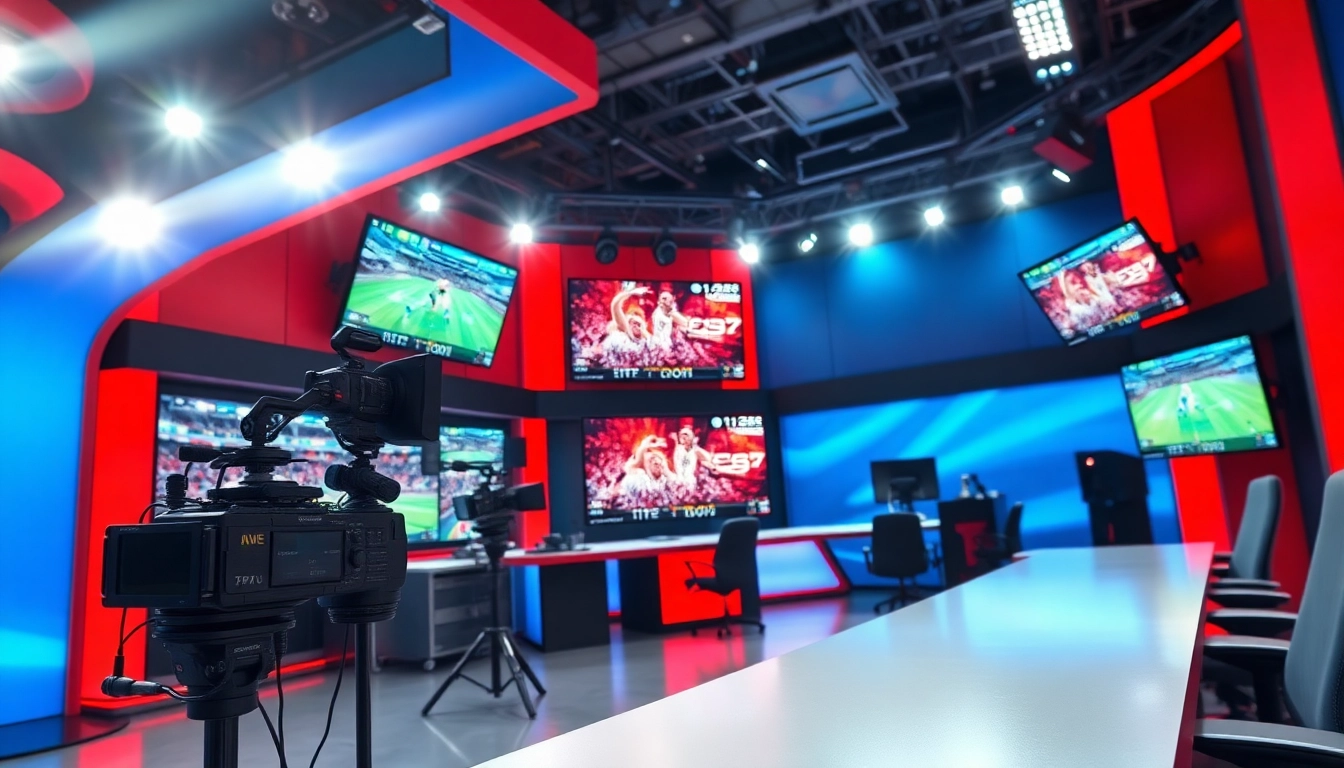
Understanding Sports Broadcasting
In the world of entertainment, few genres command the fervor that sports do. The thrill of competition, the drama of live events, and the ability to engage with fans across various platforms have made Sports Broadcasting a pivotal aspect of modern media. Today, we explore how sports broadcasting has evolved, its critical role, the elements that make it effective, the challenges it faces, and the trends shaping its future.
What is Sports Broadcasting?
Sports broadcasting is the distribution of live or recorded sports events through various media channels, including television, radio, and online platforms. The primary aim is to deliver real-time coverage, insights, and analyses to a broad audience. This field encompasses a range of roles from commentators and analysts to producers and technicians, all working cohesively to deliver an engaging viewer experience. With rapid advances in technology and changing viewer habits, sports broadcasting continues to innovate while adapting to new consumption patterns.
The History and Evolution of Sports Broadcasting
The roots of sports broadcasting can be traced back to the early 20th century with radio broadcasts of major sports events. The first notable sports event broadcasted was the 1921 heavyweight boxing match between Jack Dempsey and Georges Carpentier. Broadcasting took a significant leap forward with the advent of television in the 1950s, as networks began to vie for exclusive rights to major events such as the World Series and the Super Bowl. The 1980s and 1990s saw the introduction of cable networks and satellite television, further expanding the reach of sports programming.
In recent years, the advent of the internet and streaming platforms has revolutionized sports broadcasting, allowing fans to access games on-the-go and seek personalized content tailored to their preferences. This evolution has elevated the importance of digital presence and engagement in the sports broadcasting industry.
Importance of Sports Broadcasting Today
Today, sports broadcasting is more than just a means of delivering games to fans; it is an essential component of the sporting experience. It fosters community engagement, generates revenue through advertising and subscriptions, and plays a role in promoting the athletes and teams. The immediacy and accessibility of live sport events have contributed to expanded fan bases and the development of a more profound emotional connection between fans and their favorite sports.
Moreover, sports broadcasting drives economic growth by stimulating industries such as advertising, merchandising, and tourism, thus demonstrating its invaluable contribution to our culture.
Key Elements of Effective Sports Broadcasting
Equipment and Technology in Sports Broadcasting
The backbone of effective sports broadcasting is its technology. Modern broadcasting employs a myriad of equipment that includes high-definition cameras, drones, multiple audio-visual feeds, and advanced production systems. Innovations, such as 4K and 8K resolution, provide crystal clear visuals that enhance the viewer's experience.
Besides visual enhancements, technological advancements like automated camera systems and augmented reality graphics contribute to making broadcasts engaging. Broadcasters now utilize graphics that display player statistics, game analyses, and on-the-fly score updates that enrich the storytelling aspect of every event.
Understanding Audience Engagement Strategies
Engagement strategies are crucial in sports broadcasting. Interactivity plays a significant role, as many networks now incorporate social media feeds, allowing fans to share their opinions and reactions live. Channels have embraced platforms like Twitter, Instagram, and TikTok, creating a two-way conversation that elevates viewer involvement.
Additionally, broadcasters can employ viewer analytics to tailor their content. Understanding what content resonates with their audience allows for more targeted marketing and programming strategies. For instance, second-screen experiences, where fans can access supplementary content on their devices while watching events, have gained traction.
Delivering Live Events with Professionalism
Professionalism in executing live broadcasts cannot be understated. The success of a broadcast often hinges on meticulous planning, real-time problem-solving, and fluid collaboration among team members. Broadcasters must not only communicate effectively with the production team but also present engaging commentary that keeps viewers informed and entertained.
Furthermore, understanding the sporting context is essential; commentators should be knowledgeable about players, teams, and strategies to provide deeper insights. Thus, thorough preparation before live events is paramount to ensuring success on air.
Challenges in Sports Broadcasting
Technical Difficulties During Live Events
No matter how advanced the technology, technical difficulties can sometimes disrupt live broadcasts. Issues like signal failures, equipment malfunctions, or bad weather can pose significant challenges. To combat these, broadcasters must have robust contingency plans, including alternative equipment and backup systems, to ensure seamless coverage.
Regular training and rigorous testing of equipment before events can also help mitigate these challenges, ensuring that teams are prepared for any potential issues that may arise during a live broadcast.
Audience Expectations and Maintaining Quality
With an audience increasingly accustomed to high-quality content, maintaining broadcast quality is crucial. Fans expect crystal-clear video, expert commentary, and seamless access across platforms. This raises the bar for broadcasters to ensure that they not only meet but exceed viewer expectations. Regular feedback loops and audience surveys can aid broadcasters in understanding viewer preferences and adjusting content accordingly.
Moreover, the integration of cutting-edge technologies like high-speed internet, VR, and AR must be balanced with traditional broadcasting methods, creating a cohesive viewing experience that resonates across different platforms.
Regulatory Challenges in Different Regions
Sports broadcasting must navigate a complex web of legal regulations varying by region, including licensing agreements, intellectual property rights, and content restrictions. Broadcasters need to stay abreast of local laws and international standards to avoid legal pitfalls while maintaining ethical broadcasting practices.
Building relationships with regulatory bodies and legal experts is essential for broadcasters to navigate these challenges while ensuring compliance with industry standards and protecting their content portfolios.
Future Trends in Sports Broadcasting
Impact of Streaming Services on Traditional Broadcasting
The rise of streaming services has transformed the sports broadcasting landscape. With platforms like Netflix, Hulu, and dedicated sports streaming services, traditional networks face stiff competition for viewership and advertising dollars. This shift has led many broadcasters to develop their own streaming services, providing flexibility and increased access to on-demand sports content.
Broadcasters must adapt quickly, incorporating digital strategies and partnerships with streaming platforms to remain relevant. The blend of traditional broadcast and streaming can increase viewer reach and facilitate subscriptions from a growing fan base.
Innovations in VR and AR for Sports Fans
Emerging technologies such as virtual reality (VR) and augmented reality (AR) are set to redefine viewer experiences. These technologies promise immersive storytelling, enabling fans to feel as though they are part of the action. For instance, VR can transport viewers to the stadium, allowing them to sit courtside at a basketball game or experience a football game from the field.
By providing unique experiences, VR and AR have the potential to bolster fan engagement, attract new viewers, and create additional revenue streams through ticket sales and subscription models.
Personalization and Data in Enhancing Viewer Experience
Data analytics will continue to play a significant role in personalizing sports broadcasting. By leveraging viewer data, broadcasters can tailor content and recommendations to enhance individual experiences. Customizable viewing options allow fans to curate their content based on favorite teams, players, and even specific viewing preferences such as commentary style.
This personalization creates more profound connections and can lead to increased loyalty and viewing frequency.
Best Practices for Sports Broadcasters
Building a Strong Personality as a Broadcaster
A strong on-air personality enhances the viewer experience, making games more memorable. Broadcasters must develop a unique style that resonates with audiences while ensuring they are knowledgeable and engaging. Building charisma can involve public speaking training, as well as maintaining a genuine demeanor to build rapport with viewers.
Engagement on social media can further strengthen a broadcaster's brand, allowing them to connect with fans, share insights, and establish a presence beyond live events.
Professional Development and Continuous Learning
To thrive in the fast-paced arena of sports broadcasting, continuous professional development is essential. Broadcasters should actively seek opportunities for skill enhancement, whether through workshops, online courses, or mentorship programs. Staying abreast of industry trends, technological advancements, and audience preferences will ensure broadcasters remain relevant and competitive.
An ongoing commitment to learning enhances both the individual’s skill set and the overall quality of broadcasting efforts, ultimately benefiting the audience.
Networking and Relationships in the Sports Industry
Building robust networks within the sports industry is valuable for broadcasters striving for success. Establishing relationships with athletes, team management, marketing personnel, and fellow broadcasters can yield collaboration opportunities and insider knowledge about the industry.
Participating in industry events, seminars, and social gatherings can further expand networking capabilities, creating a supportive community that fosters growth and development in one's broadcasting career.
Frequently Asked Questions
What is sports broadcasting?
Sports broadcasting refers to the live or recorded transmission of sports events through television, radio, and online platforms, providing real-time coverage and analysis.
How has technology impacted sports broadcasting?
Technology has significantly enhanced sports broadcasting through high-definition visuals, interactive features, live statistics, and streaming capabilities, improving viewer engagement.
What challenges do sports broadcasters face?
Sports broadcasters face challenges like technical difficulties, high audience expectations, regulatory compliance, and maintaining content quality across platforms.
What role does audience engagement play in sports broadcasting?
Audience engagement is crucial as it fosters community involvement, loyalty, and interaction, enhancing the overall sports viewing experience.
What is the future of sports broadcasting?
The future of sports broadcasting is likely to involve increased streaming services, innovations in VR/AR technology, and data-driven personalization of content to enhance viewer experience.