
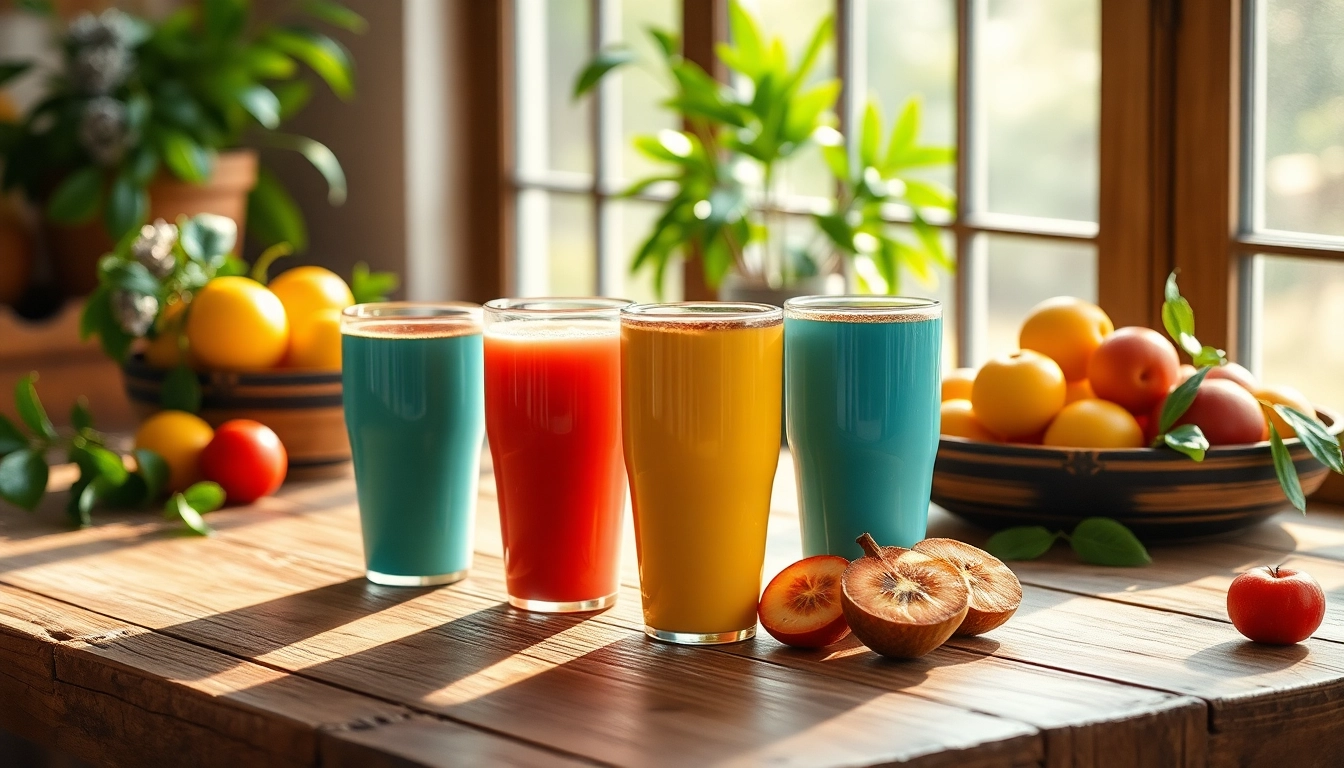
Understanding Tumblers: A Comprehensive Guide
Tumblers have become an essential item for individuals seeking convenience and style in their daily hydration. Available in various styles and materials, Tumblers are suited for every occasion—from casual outings to formal events—making them a versatile addition to any lifestyle. This comprehensive guide dives deep into understanding tumblers, the benefits they offer, how to choose the right one, and how to care for them effectively.
What Are Tumblers?
Tumblers are primarily designed as drinkware, characterized by their lid and often a straw, making them easy to carry and use on the go. Unlike traditional cups, tumblers are typically insulated, allowing drinks to maintain their temperatures longer—whether hot or cold. They vary in shape, size, and features, catering to different preferences and uses. From casual coffee drinkers to fitness enthusiasts, there’s a tumbler suited for everyone.
Different Materials Used for Tumblers
The performance and feel of a tumbler largely depend on the material from which it is made. The most common materials include:
- Stainless Steel: Known for its durability, stainless steel tumblers often feature double-wall insulation, making them excellent for temperature retention.
- Plastic: Lightweight and often cheaper, plastic tumblers are versatile but may not offer the same insulation as their metal counterparts. They are ideal for casual settings and children’s use.
- Borosilicate Glass: A more premium option, borosilicate glass tumblers can handle extreme temperatures and provide a clean taste. However, they are less portable and more fragile.
- Silicone: Often used for collapsible tumblers, silicone is flexible, portable, and perfect for travel but may not offer temperature control.
Varieties of Tumblers Available
With the increasing demand for customization and functionality, tumblers come in numerous varieties to cater to diverse tastes and needs:
- Insulated Tumblers: These keep drinks hot or cold for extended periods and are popular among commuters.
- Travel Tumblers: Designed for convenience, these typically fit in car cup holders and come with leak-proof lids.
- Child-Friendly Tumblers: Featuring spill-proof designs and colorful patterns, these tumblers are tailored for younger users.
- Customizable Tumblers: Brands often offer tumblers that can be personalized with names, logos, or designs, making them great for gifts.
Benefits of Using Tumblers Daily
Adopting a tumbler as part of your daily routine offers several advantages that enhance both your lifestyle and well-being.
Convenience and Portability
Tumblers are designed for on-the-go ease, featuring secure lids and often a straw, which allow for convenient sipping without spilling. This portability makes them ideal for busy individuals who need to stay hydrated, whether commuting to work, exercising, or simply running errands. The robust designs and materials also ensure they can withstand daily usage without easily degrading.
Environmental Impact of Tumblers
Using a tumbler can significantly reduce single-use plastic consumption. By opting for a reusable tumbler, individuals can minimize their carbon footprint and the overall waste generated by disposable cups and bottles. This habit not only contributes to environmental preservation but also promotes sustainable living, a growing concern among consumers globally.
Health Benefits: Staying Hydrated
Keeping hydrated is crucial for overall health. Having a tumbler readily available encourages regular water consumption throughout the day, helping to meet daily hydration goals. Many tumblers come with measurement markings, enabling users to track their intake, which is especially beneficial for active individuals or those in fitness training.
How to Choose the Right Tumblers
Selecting the perfect tumbler can seem overwhelming given the vast options available. However, considering a few key factors can streamline this process.
Factors to Consider When Selecting Tumblers
When choosing the right tumbler, several factors should be assessed:
- Material: Consider your needs—opt for stainless steel if insulation is a priority or plastic for lightweight convenience.
- Size: Tumblers come in various sizes, typically ranging from 12 to 40 ounces. Choose one that suits your drinking habits.
- Insulation: Double-wall vacuum insulation is ideal for maintaining temperature but check if it suits your lifestyle.
- Lid Design: Look for features such as a straw, spill-proof design, or easy cleaning.
Matching Tumblers with Lifestyle
Your lifestyle plays a crucial role in determining the type of tumbler that best suits your needs. For instance, outdoor enthusiasts might prefer rugged insulated tumblers, while office workers may opt for sleek, stylish designs. Assessing how and where you plan to use the tumbler can help in making an informed choice for optimal utility.
Color and Design Preferences
A tumbler is not only functional; it’s a personal accessory. Choose colors and designs that resonate with your style or reflect your personality. Many brands offer a wide array of colors, patterns, and even customizable options, making it possible to find a tumbler that feels uniquely yours.
Care and Maintenance of Tumblers
The longevity of your tumbler greatly depends on how well you care for it. Proper maintenance ensures that it serves you well for years to come.
Cleaning Techniques for Different Materials
Cleaning methods may vary based on the material of the tumbler:
- Stainless Steel: Typically dishwasher safe, but hand washing with mild soap is recommended to prolong life.
- Plastic: Also dishwasher safe but can retain odors. It’s best to wash with baking soda and vinegar.
- Borosilicate Glass: Ensure to check for dishwasher suitability, and generally best cleaned by hand.
- Silicone: Easily cleaned with soap and water or placed in the dishwasher.
Storage Tips for Longevity
When not in use, it’s best to store tumblers in a cool, dry place, away from direct sunlight to prevent color fading and material degradation. Ensure they are fully dry before storing, especially for insulated tumblers, to prevent mold growth.
Preventing Common Issues with Tumblers
To prevent problems such as leaking or odors, consider following these suggestions:
- Inspect Seals: Regularly check the lid seals for wear and tear to ensure they remain leak-proof.
- Store with Lids Off: When not in use, store tumblers without the lid to allow airflow, preventing unwanted odors.
- Avoid Excessive Heat: Don’t expose tumblers to extreme temperatures if they’re not rated for it, especially plastic options.
Frequently Asked Questions About Tumblers
What materials are best for tumblers?
The best materials for tumblers include stainless steel for durability and insulation, and borosilicate glass for a clean taste and temperature resistance. Plastic is also common for casual use.
Can tumblers keep drinks hot or cold?
Yes, many tumblers are designed with insulation technology that can keep drinks hot or cold for several hours, making them ideal for various beverages.
Are tumblers dishwasher-safe?
It depends on the material. Most stainless steel and plastic tumblers are dishwasher-safe, but it’s best to check manufacturer’s recommendations for specific products.
How do I choose a tumbler for travel?
For travel, look for a tumbler that is well-insulated, fits in cup holders, is lightweight, and has a leak-proof lid to avoid spills.
What sizes do tumblers typically come in?
Tumblers typically range from 12 to 40 ounces. The size you choose should align with your consumption habits and portability needs.