Comfortable lift recliner chair in a cozy living room with ambient lighting

How a Lift Recliner Chair Enhances Comfort and Mobility in Your Home

Introduction to Lift Recliner Chair

A lift recliner chair is designed to enhance comfort and mobility, particularly for individuals who face challenges when sitting down or standing up. These specialized chairs are equipped with a lifting mechanism that assists users in seamlessly transitioning from a seated to a standing position, making them an invaluable addition to homes, especially for seniors or those with disabilities. In this comprehensive guide, we’ll explore the different aspects of lift recliner chairs, including their types, benefits, and considerations when choosing one for yourself or a loved one.

What is a Lift Recliner Chair?

A lift recliner chair is a type of recliner that facilitates easier movement for users through the incorporation of a motorized lifting mechanism. This feature allows the chair’s base to rise and tilt forward, helping users stand up without straining their muscles or joints. Lift recliner chairs come in various styles and functionalities, and they can be used in various living settings, whether they are in a cozy living room, a study, or a bedroom.

Benefits of Using a Lift Recliner Chair

Lift recliner chairs provide numerous benefits, primarily aimed at enhancing user comfort and mobility. One significant advantage is the reduction of strain on the body; these chairs help alleviate pressure on knees and hips when standing up. Additionally, many models are designed with adjustable reclining positions to suit individual preferences, allowing for comfortable relaxation, sleeping, or reading. Furthermore, lift recliner chairs often have ergonomic designs that promote proper posture and spinal alignment, reducing the risk of back pain.

Who Needs a Lift Recliner Chair?

Lift recliner chairs are particularly beneficial for seniors, individuals recovering from surgery, or those with chronic conditions such as arthritis or muscular dystrophy. They can assist anyone who has limited mobility or strength, making daily activities like reading, watching TV, or socializing significantly easier. Furthermore, caregivers can also benefit, as these chairs relieve the physical burden associated with helping individuals transition from seated to standing positions.

Types of Lift Recliner Chairs

In the market today, various types of lift recliner chairs are designed to cater to different needs and preferences. Understanding the distinctions between these types can help you select the right chair for your situation.

2-Position Lift Recliner Chair

The 2-position lift recliner chair caters to those who require basic support for standing up and sitting down. This type of chair typically has two positions: the seated position and a reclined position that is slightly tilted. This model is ideal for users who enjoy resting in a reclined position for short periods but don’t need extensive adjustable options. They usually feature simple controls that are easy to operate.

3-Position Lift Recliner Chair

A step up from the 2-position chair, the 3-position lift recliner chair offers three reclining positions: upright, semi-reclined, and fully reclined. This added versatility allows users to find a comfortable position for activities such as reading, napping, or watching television. Individuals who enjoy spending extended periods in a recliner will find this model suits their needs more effectively.

Infinite Position Lift Recliner Chair

The infinite position lift recliner chair is the most adjustable option available, allowing users to recline to any angle between full upright and fully horizontal. This feature is particularly beneficial for those who require more personalized support, such as specific medical conditions that necessitate elevation of the legs or upper body. Many infinite position models also come equipped with advanced features such as heat and massage functions, providing additional comfort and relaxation.

Features to Consider in Lift Recliner Chairs

When selecting a lift recliner chair, consider the following features to ensure you choose the best model for your needs:

Fabric and Material Choices

The material of the lift recliner chair plays a crucial role in comfort, durability, and ease of maintenance. Common fabric options include microfiber, leather, and fabric blends. Microfiber is often chosen for its softness and ease of cleaning, while leather provides a more luxurious feel. Additionally, options with stain-resistant treatments can be beneficial for households with pets or young children.

Weight Capacity and Size

Each lift recliner chair has a specific weight capacity, which is vital to consider when making a selection. It’s important to choose a chair that comfortably accommodates the user’s weight and provides adequate room for them to sit comfortably. Additionally, dimensions such as seat height and width should be measured against the user’s body size to ensure compatibility.

Power Mechanisms and Controls

Lift recliner chairs come with various power mechanisms, from basic control systems to advanced programmable options. Some chairs feature a simple hand control, while others may incorporate remote controls with additional functionality. Considering ease of use and accessibility is vital, especially for elderly users or those with limited dexterity.

Choosing the Right Lift Recliner Chair

Selecting the perfect lift recliner chair involves multiple considerations to ensure that it meets your comfort and mobility needs.

Assessing Comfort and Support

Before purchasing a lift recliner chair, it is essential to assess both comfort and support features. Test the chair in-store or review detailed descriptions online. Look for contours that provide lumbar support and cushions that promote comfort while preventing sinking too deeply into the chair. Additionally, check if the armrests and backrest align correctly with your body’s natural posture.

Budget Considerations

Prices for lift recliner chairs can vary widely depending on brand, features, and materials. Set a budget that considers both your financial situation and the features you deem necessary. While more expensive models may provide added benefits such as sophisticated massage functions or better upholstery, it is possible to find quality chairs at lower price points, especially when shopping during sales or promotions.

Style and Aesthetic Fit

Lift recliner chairs come in various styles and colors to suit any décor. Whether you prefer a classic look or a more contemporary design, there are options available to match your home’s aesthetic. Additionally, think about the color and fabric, as these factors can contribute to the overall atmosphere of your living space.

FAQs about Lift Recliner Chairs

How does a lift recliner chair help with mobility?

A lift recliner chair assists users by providing mechanical support to stand up and sit down easily, minimizing the risk of falls and reducing strain on joints.

What is the average cost of a lift recliner chair?

The price of lift recliner chairs ranges from $300 to over $2,000, depending on factors like size, features, and material quality.

Can lift recliner chairs fit in small spaces?

Yes, many lift recliner chairs are designed for smaller spaces, with compact models available that provide the same functionality without taking up much room.

Are lift recliner chairs easy to operate?

Most lift recliner chairs have user-friendly controls, with simple buttons or remotes that allow users to adjust positions easily without confusing complexities.

How can I maintain my lift recliner chair?

Regular cleaning and periodic soft furniture cleaner application will help maintain your lift recliner chair, along with checking mechanisms for any signs of wear and tear.


Installing a mini split ac in a modern living room setting with natural light.

How Mini Split AC Systems Enhance Home Comfort and Efficiency

Understanding Mini Split AC Technology

What is a Mini Split AC?

A mini split ac is a versatile air conditioning system designed to provide efficient cooling and heating for individual rooms or zones in a home or commercial space. Unlike traditional HVAC systems that rely on ducts to distribute air, mini split systems consist of an indoor air-handling unit and an outdoor condenser unit connected by refrigerant lines. This split design allows for flexibility in installation and operation, making them an ideal choice for various settings, including new constructions, renovations, and spaces where ductwork is impractical.

How Mini Split AC Works

The operation of a mini split ac is grounded in basic thermodynamics. The system uses refrigerant to absorb heat from the indoor air and transfer it outside. During cooling mode, warm air from the room is drawn into the indoor unit, where the refrigerant evaporates, absorbing heat. The cooled air is then circulated back into the room, while the refrigerant, now in a gaseous state, travels to the outdoor unit. Here, it is compressed and condensed, releasing the absorbed heat outside. This process effectively cools the indoor environment. In heating mode, the cycle is reversed, allowing the system to extract heat from outside and circulate it indoors.

Benefits of Using Mini Split AC Systems

Mini split AC systems offer several advantages compared to conventional systems:

  • Energy Efficiency: With higher SEER (Seasonal Energy Efficiency Ratio) ratings, they consume less energy than traditional units, translating to cost savings on energy bills.
  • Flexible Installation: These units require no ductwork and can be installed in various configurations, making them perfect for challenging spaces.
  • Zone Control: A single system can manage multiple indoor units independently, allowing personalized comfort in different areas of a building.
  • Lower Noise Levels: The outdoor condenser unit operates quietly, while the indoor units are silent in comparison to conventional systems.
  • Versatile Application: They can provide both heating and cooling, offering year-round climate control.

Choosing the Right Mini Split AC for Your Home

Factors to Consider Before Purchase

When selecting the right mini split ac for your home, several factors, including room size, climate, and your specific comfort needs, should be considered. First, evaluate the overall square footage of the space you intend to cool or heat. Consider the number of rooms as well; if you require temperature control in multiple areas, a multi-zone system may be more appropriate. It’s also crucial to assess the local climate conditions since units with higher efficiency may be required in extremely hot or cold environments.

Sizing Your Mini Split AC

Correct sizing is vital for optimal performance. An undersized unit will struggle to cool or heat the space, leading to excessive energy use and wear. Conversely, an oversized unit will cycle on and off frequently, causing inefficient operation and insufficient dehumidification. To determine the appropriate size, use the British Thermal Unit (BTU) rating for cooling capacity, which should generally be calculated based on the room’s size, layout, insulation level, and geographic location.

Energy Efficiency Ratings Explained

Mini split systems are typically rated based on their Seasonal Energy Efficiency Ratio (SEER) for cooling and Heating Seasonal Performance Factor (HSPF) for heating. A higher SEER rating indicates a more efficient unit that can lead to substantial energy cost savings. As a reference, systems with a SEER of 15 or higher are generally considered very energy-efficient. Similarly, an HSPF rating of 8 or above is favorable for heating efficiency.

Installation Process of Mini Split AC Systems

Steps for Installing a Mini Split AC

The installation process of a mini split ac system typically involves the following steps:

  1. Choose the Location: Select an appropriate location for both the indoor and outdoor units, ensuring adequate airflow and access to electrical power.
  2. Mount the Indoor Unit: Securely mount the indoor unit on the wall according to manufacturer instructions, ensuring it is level.
  3. Install a Line Set: Drill a hole for the line set that connects the indoor and outdoor units, typically through an exterior wall.
  4. Connect the Refrigerant Lines: Connect the refrigerant lines and electrical connections from the indoor unit to the outdoor unit.
  5. Install the Outdoor Unit: Place the outdoor unit on a stable base, ensuring it is level and has sufficient clearance for airflow.
  6. System Testing: After completing the installation, check for leaks, test the system, and ensure it operates correctly in both heating and cooling modes.

Essential Tools and Equipment Needed

To successfully install a mini split ac system, you will require several specific tools and equipment, including:

  • Drill and drill bits
  • Level
  • Refrigerant gauges
  • Wrench set
  • Vacuum pump
  • Line set tools (cutters and flaring tools)
  • Electrical tools (wire strippers, screwdrivers)

Common Installation Challenges

While installing a mini split ac can be straightforward, several challenges may arise:

  • Access to Electrical Supply: Ensure that the installation site has an accessible power source and complies with local building codes.
  • Line Set Obstacles: Obstacles in the wall or foundation may complicate the line set installation. Planning the routing in advance can help.
  • Mounting Issues: The indoor unit must be mounted securely to avoid vibrations or other operational issues.

Professional installers can help navigate these challenges, ensuring a high-quality installation that meets all safety standards.

Maintenance Tips for Mini Split AC Systems

Routine Checks and Cleaning

Regular maintenance is vital to ensure the longevity and efficiency of a mini split ac system. Consider performing the following routine checks:

  • Clean or replace air filters every couple of months to maintain airflow and efficiency.
  • Inspect the outdoor unit for debris or obstructions; clear these to enhance airflow.
  • Ensure the drainage system is clear to prevent water buildup, which could affect operation.

Signs Your Mini Split AC Needs Repair

Monitor your mini split ac for the following signs indicating it may need repair:

  • Unusual noises, such as grinding or hissing, can indicate mechanical issues.
  • Inconsistent cooling or heating may suggest a refrigerant leak or blockage in the system.
  • Higher energy bills without changes in usage patterns can indicate inefficiencies or failure in parts.

How to Maximize Your System’s Lifespan

To extend the life of your mini split AC unit, consider the following practices:

  • Schedule professional maintenance annually to ensure all components function correctly.
  • Keep the area around the outdoor unit clean and free of obstructions to maximize airflow.
  • Use programmable thermostats or timers to minimize energy usage and reduce wear on the system.

Frequently Asked Questions about Mini Split AC

FAQ 1: What are the typical costs associated with a mini split ac?

Costs can vary, typically ranging from $1,500 to $5,000 depending on the system and installation requirements.

FAQ 2: How energy efficient are mini split ac units?

Mini split units often have higher SEER ratings, making them more energy-efficient compared to traditional systems, leading to savings on cooling and heating costs.

FAQ 3: Can I install a mini split ac myself?

While DIY installation is possible for those with technical skills, professional installation is recommended for optimal performance and adherence to safety regulations.

FAQ 4: How quiet are mini split ac systems?

Most mini splits operate at 19 dB, comparable to a whisper, allowing for a peaceful and undisturbed indoor environment.

FAQ 5: Do mini split ac systems also provide heating?

Yes, many mini split systems include a heat pump function, allowing them to provide both cooling in hot months and heating during colder seasons.

Elegant tumblers showcased elegantly on a rustic table, radiating vibrant colors and inviting ambiance.

Choosing the Perfect Tumblers for Every Occasion

Understanding Tumblers: A Comprehensive Guide

Tumblers have become an essential item for individuals seeking convenience and style in their daily hydration. Available in various styles and materials, Tumblers are suited for every occasion—from casual outings to formal events—making them a versatile addition to any lifestyle. This comprehensive guide dives deep into understanding tumblers, the benefits they offer, how to choose the right one, and how to care for them effectively.

What Are Tumblers?

Tumblers are primarily designed as drinkware, characterized by their lid and often a straw, making them easy to carry and use on the go. Unlike traditional cups, tumblers are typically insulated, allowing drinks to maintain their temperatures longer—whether hot or cold. They vary in shape, size, and features, catering to different preferences and uses. From casual coffee drinkers to fitness enthusiasts, there’s a tumbler suited for everyone.

Different Materials Used for Tumblers

The performance and feel of a tumbler largely depend on the material from which it is made. The most common materials include:

  • Stainless Steel: Known for its durability, stainless steel tumblers often feature double-wall insulation, making them excellent for temperature retention.
  • Plastic: Lightweight and often cheaper, plastic tumblers are versatile but may not offer the same insulation as their metal counterparts. They are ideal for casual settings and children’s use.
  • Borosilicate Glass: A more premium option, borosilicate glass tumblers can handle extreme temperatures and provide a clean taste. However, they are less portable and more fragile.
  • Silicone: Often used for collapsible tumblers, silicone is flexible, portable, and perfect for travel but may not offer temperature control.

Varieties of Tumblers Available

With the increasing demand for customization and functionality, tumblers come in numerous varieties to cater to diverse tastes and needs:

  • Insulated Tumblers: These keep drinks hot or cold for extended periods and are popular among commuters.
  • Travel Tumblers: Designed for convenience, these typically fit in car cup holders and come with leak-proof lids.
  • Child-Friendly Tumblers: Featuring spill-proof designs and colorful patterns, these tumblers are tailored for younger users.
  • Customizable Tumblers: Brands often offer tumblers that can be personalized with names, logos, or designs, making them great for gifts.

Benefits of Using Tumblers Daily

Adopting a tumbler as part of your daily routine offers several advantages that enhance both your lifestyle and well-being.

Convenience and Portability

Tumblers are designed for on-the-go ease, featuring secure lids and often a straw, which allow for convenient sipping without spilling. This portability makes them ideal for busy individuals who need to stay hydrated, whether commuting to work, exercising, or simply running errands. The robust designs and materials also ensure they can withstand daily usage without easily degrading.

Environmental Impact of Tumblers

Using a tumbler can significantly reduce single-use plastic consumption. By opting for a reusable tumbler, individuals can minimize their carbon footprint and the overall waste generated by disposable cups and bottles. This habit not only contributes to environmental preservation but also promotes sustainable living, a growing concern among consumers globally.

Health Benefits: Staying Hydrated

Keeping hydrated is crucial for overall health. Having a tumbler readily available encourages regular water consumption throughout the day, helping to meet daily hydration goals. Many tumblers come with measurement markings, enabling users to track their intake, which is especially beneficial for active individuals or those in fitness training.

How to Choose the Right Tumblers

Selecting the perfect tumbler can seem overwhelming given the vast options available. However, considering a few key factors can streamline this process.

Factors to Consider When Selecting Tumblers

When choosing the right tumbler, several factors should be assessed:

  • Material: Consider your needs—opt for stainless steel if insulation is a priority or plastic for lightweight convenience.
  • Size: Tumblers come in various sizes, typically ranging from 12 to 40 ounces. Choose one that suits your drinking habits.
  • Insulation: Double-wall vacuum insulation is ideal for maintaining temperature but check if it suits your lifestyle.
  • Lid Design: Look for features such as a straw, spill-proof design, or easy cleaning.

Matching Tumblers with Lifestyle

Your lifestyle plays a crucial role in determining the type of tumbler that best suits your needs. For instance, outdoor enthusiasts might prefer rugged insulated tumblers, while office workers may opt for sleek, stylish designs. Assessing how and where you plan to use the tumbler can help in making an informed choice for optimal utility.

Color and Design Preferences

A tumbler is not only functional; it’s a personal accessory. Choose colors and designs that resonate with your style or reflect your personality. Many brands offer a wide array of colors, patterns, and even customizable options, making it possible to find a tumbler that feels uniquely yours.

Care and Maintenance of Tumblers

The longevity of your tumbler greatly depends on how well you care for it. Proper maintenance ensures that it serves you well for years to come.

Cleaning Techniques for Different Materials

Cleaning methods may vary based on the material of the tumbler:

  • Stainless Steel: Typically dishwasher safe, but hand washing with mild soap is recommended to prolong life.
  • Plastic: Also dishwasher safe but can retain odors. It’s best to wash with baking soda and vinegar.
  • Borosilicate Glass: Ensure to check for dishwasher suitability, and generally best cleaned by hand.
  • Silicone: Easily cleaned with soap and water or placed in the dishwasher.

Storage Tips for Longevity

When not in use, it’s best to store tumblers in a cool, dry place, away from direct sunlight to prevent color fading and material degradation. Ensure they are fully dry before storing, especially for insulated tumblers, to prevent mold growth.

Preventing Common Issues with Tumblers

To prevent problems such as leaking or odors, consider following these suggestions:

  • Inspect Seals: Regularly check the lid seals for wear and tear to ensure they remain leak-proof.
  • Store with Lids Off: When not in use, store tumblers without the lid to allow airflow, preventing unwanted odors.
  • Avoid Excessive Heat: Don’t expose tumblers to extreme temperatures if they’re not rated for it, especially plastic options.

Frequently Asked Questions About Tumblers

What materials are best for tumblers?

The best materials for tumblers include stainless steel for durability and insulation, and borosilicate glass for a clean taste and temperature resistance. Plastic is also common for casual use.

Can tumblers keep drinks hot or cold?

Yes, many tumblers are designed with insulation technology that can keep drinks hot or cold for several hours, making them ideal for various beverages.

Are tumblers dishwasher-safe?

It depends on the material. Most stainless steel and plastic tumblers are dishwasher-safe, but it’s best to check manufacturer’s recommendations for specific products.

How do I choose a tumbler for travel?

For travel, look for a tumbler that is well-insulated, fits in cup holders, is lightweight, and has a leak-proof lid to avoid spills.

What sizes do tumblers typically come in?

Tumblers typically range from 12 to 40 ounces. The size you choose should align with your consumption habits and portability needs.

Productieproces van viscose stoffen in een zonnige textielwerkplaats.

Alles wat je moet weten over viscose: Eigenschappen en Toepassingen

Wat is viscose?

Definitie en geschiedenis

Viscose is een semi-synthetische vezel die wordt geproduceerd uit cellulose, een natuurlijk polymeer dat voornamelijk in planten voorkomt. Het proces van viscoseproductie begon eind 19e eeuw, toen de Franse chemicus Hilaire de Chardonnet de eerste methoden ontwikkelde om van cellulose een vezel te maken. Viscose werd aanvankelijk gepromoot als een goedkoop alternatief voor zijde en kreeg al snel populariteit in de mode-industrie. Tegenwoordig is viscose een belangrijk materiaal in kleding, meubels en verschillende textieltoepassingen.

Producentieproces van viscose

Het productieproces van viscose omvat meerdere stappen. Ten eerste wordt cellulose gewonnen uit houtpulp. Deze cellulose wordt vervolgens opgelost in een chemische samenstelling die natriumhydroxide en carbon disulfide bevat, wat leidt tot het creëren van viscose. De oplossing wordt in dunne draden geperst en in een zuur bad gedaan, waarbij het weer stolt tot vezels. Daarna worden deze vezels gewassen, gedroogd en vaak gebleekt of gekleurd, afhankelijk van de uiteindelijke toepassing.

Toepassingen in de mode

Viscose wordt veel gebruikt in de mode wegens zijn soepele textuur en goede ademende eigenschappen. Het is populair in verschillende kledingstukken zoals blouses, jurken en broeken. De stof kan gemakkelijk worden geverfd, waardoor het beschikbaar is in een breed scala aan kleuren en patronen. Merken zijn ook steeds vaker geïnteresseerd in viscose vanwege het comfort dat het biedt in vergelijking met synthetische stoffen. Dit maakt het aantrekkelijk voor zowel budgetbewuste consumenten als luxe merken die streven naar kwaliteit.

Eigenschappen van viscose

Ademend vermogen en comfort

Een van de belangrijkste eigenschappen van viscose is het ademend vermogen. Deze stof laat lucht circuleren, wat ervoor zorgt dat kleding gemaakt van viscose comfortabel aanvoelt, zelfs op warme dagen. Het absorbeert ook vocht goed, wat helpt bij het reguleren van de lichaamstemperatuur. Veel mensen geven de voorkeur aan viscose in hun kleding omdat het een zachte en luxueuze feel heeft, wat het een aantrekkelijke keuze maakt voor zowel casual als formele kleding.

Duurzaamheid en milieuvriendelijkheid

Viscose heeft een gemengde reputatie als het gaat om duurzaamheid. Aan de ene kant is het gemaakt van natuurlijke bronnen, maar het productieproces kan schadelijk zijn voor het milieu als het niet goed wordt beheerd. Het gebruik van chemicaliën kan leiden tot vervuiling van water en lucht. Echter, nieuwe methoden van productie, zoals het gebruik van gerecyclede cellulose en milieuvriendelijkere chemicaliën, zijn op de markt gekomen, wat de ecologische voetafdruk van viscose kan verminderen.

Onderhoud en verzorging

Viscose stoffen vereisen speciale zorg bij het wassen en onderhouden. Het is meestal aanbevolen om viscose met de hand te wassen of op een zacht programma in de wasmachine. Om krimp en vervorming te voorkomen, moet je het laten hangen om te drogen in plaats van het in de droger te stoppen. Strijken kan nodig zijn, maar gebruik altijd een lage temperatuur en een doek om de vezels te beschermen.

Vergelijking met andere stoffen

Viscose versus katoen

Wanneer we viscose vergelijken met katoen, is het belangrijk om te erkennen dat beide stoffen hun eigen unieke eigenschappen hebben. Katoen is volledig natuurlijk, ademend en gemakkelijk te onderhouden. Viscose daarentegen heeft een zijdeachtige glans en voelt vaak luxueuzer aan. Katoen absorbeert echter beter vocht dan viscose, waardoor het geschikter is voor actieve kleding. Het hangt af van de voorkeur en de toepassing welke stof de beste keuze is.

Viscose versus synthetische stoffen

Viscose vs. synthetische stoffen zoals polyester of nylon brengt verschillende voordelen met zich mee. Viscose heeft het voordeel van ademend vermogen en vochtabsorptie, wat betekent dat het comfortabeler kan zijn om te dragen. Synthetische stoffen daarentegen zijn doorgaans duurzamer, kreukbestendiger en gemakkelijker te onderhouden. Beide soorten stoffen hebben hun plaats in de mode; viscose is vaak te vinden in kleding die een luxe uitstraling vereist, terwijl synthetische stoffen beter zijn voor actiever gebruik.

Wanneer te kiezen voor viscose?

Viscose is een uitstekende keuze voor kledingstukken die zachtheid, drapering en een luxueuze uitstraling vereisen. Het is ideaal voor zomerjurken, blouses en andere losse kledingstukken. Als comfort en ademend vermogen belangrijk zijn, is viscose een goede optie. Echter, voor voornamelijk sportieve of functionele kleding kunnen andere materialen geschikter zijn.viscose biedt de mogelijkheid om elegantie en design te combineren met comfort en functionaliteit.

Trends in viscose textiel

Populaire kleuren en patronen

De modewereld evolueert voortdurend, en viscose blijft niet achter. De laatste trend is het gebruik van gedurfde, levende kleuren en eigentijdse patronen. Natuurlijke tinten, zoals moss groen en terracotta, zijn populair geworden als reflectie van de stijgende behoefte aan duurzaamheid en een verbinding met de natuur. Daarnaast zijn abstracte en florale prints steeds vaker te zien in viscoseproducten.

Innovaties in viscose productie

Er zijn recentelijk innovaties op het gebied van viscoseproductie die milieuvriendelijker en duurzamer zijn. Nieuwe technologieën helpen bij het minimaliseren van afval, het verbeteren van de recyclingmogelijkheden en het verminderen van de impact op het milieu. Deze ontwikkelingen stellen bedrijven in staat om viscose te produceren met een lagere ecologische voetafdruk, wat steeds belangrijker wordt voor consumenten.

Viscose in duurzame mode

In de wereld van duurzame mode maakt viscose een comeback. Met de focus op ethische productieprocessen en hernieuwbare hulpbronnen ontwikkelt de industrie nieuwe manieren om viscose te gebruiken die voldoen aan deze hoge normen. Veel modeontwerpers kiezen ervoor om met duurzame viscose of gerecycled viscose te werken, wat bijdraagt aan de circulaire economie en een lagere impact op het milieu.

Veelgestelde vragen over viscose

Wat is viscose precies?

Viscose is een semi-synthetische vezel die gemaakt wordt van cellulose, dat is afkomstig van planten. Het heeft eigenschappen die het comfortabel maken om te dragen, waaronder ademend vermogen en een zachte textuur.

Is viscose een milieuvriendelijke keuze?

Viscose kan milieuvriendelijk zijn, afhankelijk van de productiemethoden. Het gebruik van duurzame cellulose en minder schadelijke chemicaliën kan de ecologische impact verminderen.

Hoe onderhoud ik viscose stoffen?

Viscose moet meestal met de hand gewassen worden of op een zacht programma in de machine. Laat het aan de lucht drogen en strijk op een lage temperatuur om schade aan de vezels te voorkomen.

Wat zijn de voordelen van viscose in kleding?

Viscose biedt een luxe uitstraling, ademend vermogen en comfort. Het is verkrijgbaar in veel kleuren en patronen, wat het tot een veelzijdige keuze maakt voor mode.

Kan viscose allergieën veroorzaken?

Viscose is in de regel hypoallergeen, maar sommige mensen kunnen gevoelig zijn voor de chemicaliën die tijdens de productie worden gebruikt. Het is belangrijk om goed te testen voor gebruik.

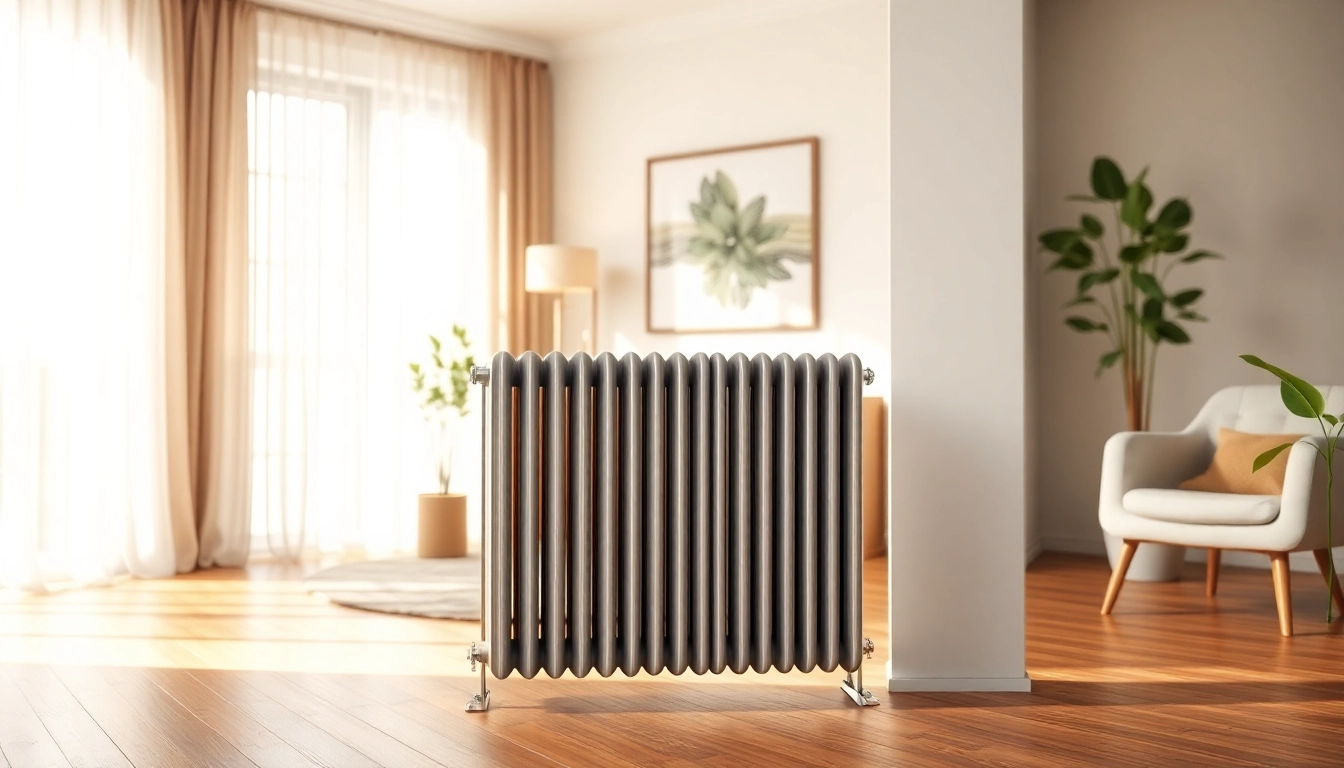
Heizkörper kaufen: Elegante moderne Heizkörper in einem einladenden Wohnzimmer-Setting.

Heizkörper kaufen: Die besten Tipps für Ihre Kaufentscheidung

Einführung in Heizkörper kaufen

Der Kauf eines Heizkörpers ist ein wesentlicher Schritt zur Optimierung der Wärmeverteilung in Ihrem Zuhause. Heizkörper sind nicht nur funktional, sondern gehören auch stark zur Atmosphäre eines Raumes bei. Wenn Sie heizkörper kaufen, gibt es viele Aspekte, die Sie berücksichtigen sollten, um die perfekte Wahl für Ihre Bedürfnisse zu treffen. In diesem Artikel werden wir die verschiedenen Arten von Heizkörpern, deren Effizienz und Leistung sowie wichtige Tipps für die Installation und Wartung umfassend behandeln.

Was sind Heizkörper?

Heizkörper sind Geräte, die Wärme abgeben, um Räume zu beheizen. Sie arbeiten meist durch das Zirkulieren von heißem Wasser oder Dampf durch ihre Innenteile, was zu einer Wärmeabgabe an die Umgebungsluft führt. Heizkörper sind in verschiedenen Formen, Größen und Designs erhältlich und werden sowohl in Wohnhäusern als auch in gewerblichen Gebäuden eingesetzt. Ihr Hauptziel ist es, eine angenehme Raumtemperatur zu gewährleisten, insbesondere in den kälteren Monaten.

Warum Heizkörper kaufen?

Der Kauf eines Heizkörpers ist entscheidend, um ein komfortables Wohnumfeld zu schaffen. Neben der Primärfunktion der Wärmeübertragung bieten moderne Heizkörper auch Designoptionen, die mit der Inneneinrichtung harmonieren. Zudem steigern effiziente Heizkörper die Energieeffizienz von Gebäuden und können dazu beitragen, Heizkosten zu senken. Eine informierte Kaufentscheidung ist daher unerlässlich, um sowohl Funktionalität als auch Ästhetik zu berücksichtigen.

Wichtige Kaufkriterien

Bei der Auswahl eines Heizkörpers sollten mehrere Kriterien betrachtet werden:

  • Größe des Raumes: Die benötigte Heizleistung hängt von der Größe des Raumes und der Isolierung ab.
  • Art des Heizkörpers: Es gibt verschiedene Typen, darunter vertikale, horizontale und Designheizkörper.
  • Wärmeeffizienz: Achten Sie auf energieeffiziente Modelle, die den Energieverbrauch minimieren.
  • Design und Material: Das Material und das Design sollten zum Innenraumstil passen.
  • Preis: Der Kostenrahmen sollte ebenfalls beachtet werden, der je nach Typ und Stil variiert.

Arten von Heizkörpern

Vertikale vs. horizontale Heizkörper kaufen

Bei der Wahl zwischen vertikalen und horizontalen Heizkörpern kommt es oft auf den zur Verfügung stehenden Platz an. Vertikale Heizkörper eignen sich hervorragend für schmale Wänden und sind in vielen modernen Designs erhältlich. Sie können daher ein minimalistisches Aussehen fördern. Horizontale Heizkörper hingegen sind traditioneller und bieten oft eine größere Heizfläche, was sie ideal für größere Räume macht.

Designheizkörper: Stil trifft Funktion

Designheizkörper kombinieren Ästhetik mit Funktionalität. Sie sind nicht nur Heizgeräte, sondern auch Designelemente, die zu einer stilvollen Raumgestaltung beitragen. Diese Heizkörper gibt es in verschiedenen Farben, Materialien und unterschiedlichen Formen, die jedem Raum Charakter verleihen können. Die Auswahl eines Designheizkörpers kann entscheidend sein, um ein modernes und elegantes Ambiente zu schaffen.

Standard- vs. Spezialheizkörper

Standardheizkörper sind die am häufigsten verwendeten Heizkörper und bieten grundlegende Heizfunktionen zu einem vernünftigen Preis. Spezialheizkörper hingegen sind für spezifische Anwendungen konzipiert, wie z.B. Heizkörper für Bäder mit integrierter Handtuchhalterung oder energiesparende Heizlösungen. Diese spezialisierten Optionen können höhere Anschaffungskosten, jedoch auch langfristige Einsparungen bei den Energiekosten mit sich bringen.

Effizienz und Leistung von Heizkörpern

Wie funktionieren Heizkörper?

Heizkörper funktionieren prinzipiell als Wärmeübertrager, indem sie heiße Flüssigkeit oder Dampf zirkulieren lassen, die über Rohre zu ihnen geleitet werden. Die Wärme wird dann durch das Material des Heizkörpers an die Umgebungsluft abgegeben. Die Effektivität eines Heizkörpers hängt von verschiedenen Faktoren ab, darunter die Materialbeschaffenheit, das Design und die Anordnung der Heizkörper im Raum. Dies hat einen direkten Einfluss auf die Heizleistung und die Effizienz.

Wärmeverteilung verstehen

Eine effektive Wärmeverteilung innerhalb eines Raumes ist entscheidend für den Komfort. Heizkörper sollten strategisch positioniert werden, um Zugluft und Wärmeverluste zu minimieren. Die warme Luft steigt nach oben und sorgt für eine gleichmäßige Verteilung der Wärme im Raum. Eine gezielte Anordnung von Möbeln sowie die Nutzung von Thermostatventilen können ebenfalls dazu beitragen, die Wärmeverteilung zu optimieren.

Energieeffizienz und Kosten

Die Energieeffizienz eines Heizkörpers kann erheblichen Einfluss auf die Heizkosten haben. Achten Sie beim Kauf auf Modelle mit einer hohen Energieeffizienzklasse. Eine Investition in moderne, energieeffiziente Heizkörper kann langfristig Kosten einsparen und den ökologischen Fußabdruck reduzieren. Es ist ratsam, auch über Alternativen wie Kombinationssysteme nachzudenken, die Heizkörper und Zusatzheizungen integrieren.

Installation und Wartung

DIY-Installation von Heizkörpern

Die Installation von Heizkörpern kann unter bestimmten Umständen auch als DIY-Projekt erfolgen, etwa wenn Sie handwerklich begabt sind. Bevor Sie sich jedoch auf diese Aufgabe einlassen, sollten Sie über das nötige Wissen und die erforderlichen Werkzeuge verfügen. Eine fehlerhafte Installation kann zu Problemen wie einem Heizkörperleck führen, was kostspielige Reparaturen nach sich ziehen kann.

Professionelle Installation: Vor- und Nachteile

Die Beauftragung eines Fachmanns für die Installation von Heizkörpern bietet mehrere Vorteile. Ein Experte kennt sich mit den aktuellen Vorschriften und Standards aus und kann eine korrekte Installation gewährleisten, die Probleme wie Luftblasen oder unzureichende Wärmeverteilung minimiert. Der Nachteil ist die zusätzliche Kostenlast, die jedoch oft durch die erhöhte Effizienz und vermiedene Probleme ausgeglichen wird.

Wartungstipps für Langlebigkeit

Für eine lange Lebensdauer Ihres Heizkörpers ist eine regelmäßige Wartung erforderlich. Dazu gehört das Entlüften der Heizkörper mindestens einmal im Jahr, um Luftblasen zu entfernen, die die Heizleistung beeinträchtigen können. Zudem sollten Heizkörper alle paar Jahre auf Leckagen und Verstopfungen überprüft werden. Ein sauberer Heizkörper kann die Energieeffizienz erhöhen und sorgt dafür, dass die Wärme gleichmäßiger verteilt wird.

Häufige Fragen zu Heizkörper kaufen

Was ist der beste Platz für Heizkörper?

Der beste Platz für Heizkörper ist unter Fenstern oder in der Nähe von Außentüren, um Wärmeverluste zu minimieren.

Welche Heizkörpergröße benötige ich?

Die benötigte Größe hängt von der Raumgröße und der gewünschten Temperatur ab; nutzen Sie Wärmebedarfsberechnungen.

Wie oft sollten Heizkörper gewartet werden?

Heizkörper sollten regelmäßig entlüftet und alle zwei Jahre auf Leckagen und Verstopfungen überprüft werden.

Was kostet ein Heizkörper im Durchschnitt?

Die Kosten für Heizkörper variieren stark, liegen aber durchschnittlich zwischen 150 und 500 Euro, je nach Typ und Design.

Sind Designheizkörper effizient?

Ja, viele Designheizkörper schaffen eine effektive Wärmeverteilung und können helfen, Energiekosten zu sparen.

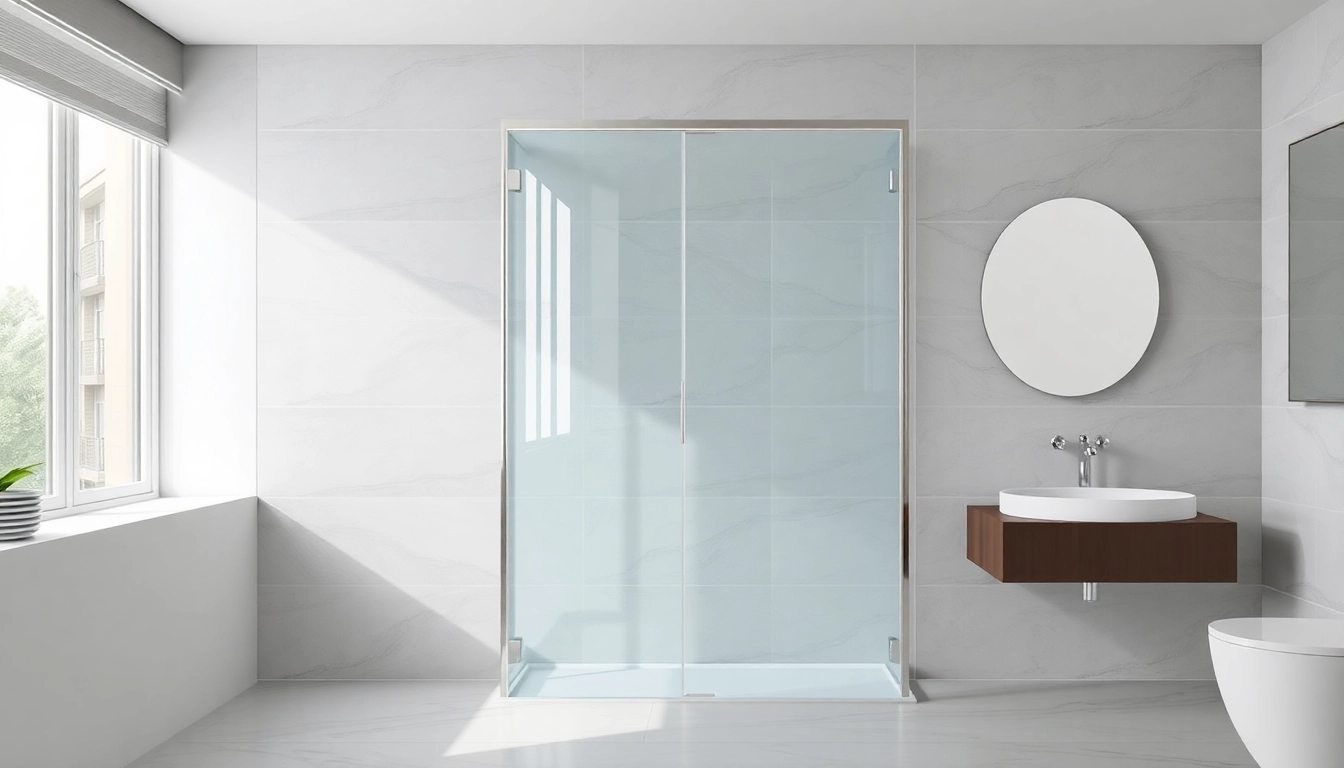
Showcasing a corner shower screen frameless in a modern bathroom design, highlighting its sleek features.

Choosing the Right Corner Shower Screen Frameless for Your Bathroom

Understanding Corner Shower Screen Frameless

When designing or renovating a bathroom, many homeowners consider the aesthetic and functional aspects of shower enclosures. One increasingly popular option is the corner shower screen frameless, which combines sleek lines with contemporary style. This article explores the benefits, materials, installation, maintenance, and design ideas to ensure you make an informed choice for your bathroom space.

Design Benefits of Corner Shower Screen Frameless

The design of a corner shower screen frameless offers numerous benefits. Firstly, its minimalist aesthetic enhances the overall elegance of the bathroom, creating a sense of openness and light. Without bulky frames, these shower screens allow for an unobstructed view, making your bathroom feel larger and more inviting.

Moreover, a frameless design complements various styles, whether modern, rustic, or industrial. The versatility means you can easily adapt it to changes in décor or personal taste. Additionally, frameless shower screens are easy to clean, as they have fewer crevices that trap grime. This practicality, combined with elegance, makes them a favored option for many homeowners.

Materials Used in Corner Shower Screen Frameless

Corner shower screen frameless are typically made from high-quality tempered glass, known for its durability and safety. Tempered glass is processed under high temperatures to increase its strength and, if broken, shatters into small, less harmful pieces. Beyond glass, other materials used in the construction may include stainless steel for hinges and panels, which resist corrosion, and marine-grade aluminum for fittings due to its lightweight and strength.

Choosing the right thickness of glass is crucial, commonly ranging from 10mm to 12mm for maximum reliability. Features such as anti-lime scale coatings can also be applied to maintain clarity and ease of cleaning, ensuring that the elegance of the corner shower screen frameless remains intact over time.

Common Challenges and Solutions

Despite their many advantages, corner shower screen frameless can pose specific challenges. The installation process can be complex and may require professional assistance to prevent any misalignment or errors in measurements. To mitigate this, ensure you hire experienced installers who understand the nuances of frameless designs.

Another potential issue is water leakage, especially if the enclosure is not perfectly sealed. Regular inspections and maintenance of seals can help prevent this problem. Homeowners should be aware of their local building codes and standards, as some regulations might affect installation and safety.

Installation Considerations

Preparing Your Bathroom for Corner Shower Screen Frameless

Before installation, careful preparation of your bathroom is essential. The first step is to measure your corner accurately to ensure a perfect fit. Clear the area around the shower to provide room for the installers to work, and consider any existing plumbing that may need adjustments. If your bathroom has tiles or other surfaces, inspect for any necessary repairs to prevent complications during the setup. Lastly, create a conducive working environment by ensuring proper ventilation and adequate lighting for the installation process.

Hiring Professionals vs. DIY Installation

When it comes to installing a corner shower screen frameless, homeowners face the decision between hiring professionals or undertaking a DIY project. Professional installation provides the benefit of expertise, ensuring a precise fit and minimizing the risk of common issues such as leakage. Moreover, they are familiar with local building codes, securing adherence to all necessary regulations.

On the other hand, DIY installation can save money but requires significant time, effort, and a certain level of skill. Those opting for DIY should closely follow manufacturer instructions and have the proper tools. Consider assessing your comfort level with home improvement tasks before making a final decision.

Cost Factors to Consider

The cost of installing a corner shower screen frameless varies significantly based on several factors. The price can be influenced by the type of glass selected, frame materials, and enclosure size. Installation costs also play a role; professional services can range in price depending on complexity and local labor rates. Homeowners should budget for additional expenses, such as permits or materials for adjustment if existing bathroom features need modification. Consulting with multiple suppliers and installers can provide a clearer understanding of the overall investment required.

Maintenance Tips for Longevity

Best Cleaning Practices

Maintaining the cleanliness of a corner shower screen frameless is vital for its longevity and appearance. Regular cleaning using a gentle detergent and a soft sponge will keep the glass free from soap scum and mineral deposits. For stubborn stains, a vinegar solution can work wonders, breaking down buildup without damaging the glass surface. It’s advisable to avoid harsh chemicals or abrasive materials that can scratch and dull the finish.

Regular Maintenance Responsibilities

Beyond basic cleaning, regular maintenance includes checking for any signs of wear or damage. Homeowners should inspect seals for any cracks or missing pieces, as these can lead to water leaks. Additionally, monitor the moving parts of your screen, such as hinges and handles, for functionality, lubricating them if necessary to prevent rust or stiffness.

Creating a routine maintenance schedule can help in catching issues early, ultimately saving time and money in repairs.

Identifying and Fixing Common Issues

Common problems with corner shower screen frameless include water leaks, glass scratches, and issues with doors or panels not closing properly. Identifying these issues early is essential. For instance, if you notice water pooling outside your shower area, inspect the seals and consider replacing them if they are damaged.

For scratches on glass, while it might not be possible to eliminate them entirely, polishing kits are available that can minimize their appearance. For functional issues with doors, adjusting hinges or calling a professional may be necessary. Maintaining open communication with your installer about any issues can lead to prompt solutions.

Design Ideas Featuring Corner Shower Screen Frameless

Complementary Decor Styles

The corner shower screen frameless design is remarkably versatile, complementing various decor styles. In a modern bathroom, pairing it with sleek cabinetry and minimalistic fixtures enhances the contemporary feel. For a more rustic atmosphere, consider incorporating natural wood elements or stone tile to create contrast while maintaining a cohesive aesthetic.

Moreover, for an industrial look, industrial-style metal fixtures and darker color palettes can yield striking results when combined with frameless screens, while traditional styles can be softened by the elegance of clear glass.

Space Optimization Techniques

Utilizing a corner shower screen frameless can significantly improve spatial efficiency in smaller bathrooms. Place the shower in the corner, allowing for more floor space for other elements, such as storage or decorative items. Expansive glass panels also visually enlarge the space, making it appear more open. Integrating built-in shelving or corner benches can also optimize the available area, providing functionality without crowding the room.

Color Schemes That Work

Selecting the right color scheme is crucial for creating the desired ambiance in your bathroom. Lighter shades, such as soft whites or pastel tones, paired with a corner shower screen frameless enhance a light and airy feel. Alternatively, bold or dark colors can create a dramatic effect while the transparency of the glass maintains balance, preventing a claustrophobic sensation. Experimenting with textures, such as matte finishes against glossy surface materials, also provides visual interest and sophistication.

Frequently Asked Questions about Corner Shower Screen Frameless

What are the installation requirements for corner shower screen frameless?

Installation requires precise measurements and a level surface. Ensure plumbing and drainage align correctly, and prepare the area by removing old fixtures. A professional installer is recommended for best results.

How do I clean and maintain my corner shower screen frameless?

Use a gentle detergent and soft sponge for regular cleaning. For tough stains, a vinegar solution can help. Regularly inspect seals and clean hinges to maintain functionality over time.

Can I install a corner shower screen frameless myself?

While DIY installation is possible, it requires specific skills and tools. Professional installation is recommended to ensure proper fit and adherence to safety guidelines, minimizing the risk of issues.

What materials are best for corner shower screen frameless?

The best material is tempered glass due to its strength and safety. Look for marine-grade stainless steel or aluminum for hardware to prevent rust and ensure durability in wet environments.

Are corner shower screen frameless designs customizable?

Yes, corner shower screen frameless designs are highly customizable. You can select sizes, glass thickness, hardware finishes, and even special features like etching or frosted sections depending on personal preferences.

Ecommerce & Shopping

Maximize Your Profits with Smart Ecommerce Strategies

Understanding the Ecommerce Landscape

The ecommerce landscape has undergone significant transformations since its inception, reshaping how consumers and businesses interact. With the rise of digital technology, online shopping has become a fundamental component of the global economy, enabling convenience and accessibility like never before. Understanding this landscape is crucial for anyone looking to thrive in the world of online retail.

History and Evolution of Ecommerce

Ecommerce, or electronic commerce, traces its roots back to the 1960s, when businesses began using electronic data interchange (EDI) to share business documents with one another. The 1990s marked a significant turning point with the advent of the World Wide Web. In 1994, the first secure online purchase was made, paving the way for online shopping as we know it today. Early players like Amazon and eBay emerged, revolutionizing retail by providing consumers with unprecedented access to products and services.

Over the years, ecommerce has evolved in various forms, from B2C (business-to-consumer) to B2B (business-to-business) and C2C (consumer-to-consumer) models. The introduction of mobile commerce (m-commerce) further transformed the landscape, allowing consumers to shop on the go. Fast forward to today, and ecommerce accounts for over 20% of global retail sales, with projections indicating continued growth in the upcoming years.

Current Trends in Online Shopping

As the ecommerce sector continues to evolve, several notable trends are shaping the future of online shopping:

  • Omnichannel Shopping: Consumers expect a seamless experience across all platforms, whether online, in-store, or via mobile. Brands are integrating their physical and digital presence to meet these expectations.
  • Subscription Services: From meal kits to beauty products, subscription models are gaining popularity, offering convenience and personalized experiences.
  • Sustainable Shopping: Eco-conscious consumers are increasingly seeking brands that prioritize sustainability, prompting businesses to adopt eco-friendly practices.
  • Augmented Reality (AR): AR technology is enhancing the shopping experience by allowing customers to visualize products in their own space before making a purchase.
  • Social Commerce: Social media platforms are evolving into shopping hubs, allowing users to discover and purchase products directly through their feeds.

Types of Ecommerce Models

Understanding the various ecommerce models is essential for businesses to tailor their strategies effectively:

  • B2C (Business to Consumer): This model involves businesses selling directly to consumers. Examples include Amazon and Walmart.
  • B2B (Business to Business): In this model, businesses sell products or services to other businesses. Alibaba is a prime example of a B2B platform.
  • C2C (Consumer to Consumer): Platforms like eBay and Etsy facilitate transactions between consumers, often through a marketplace environment.
  • C2B (Consumer to Business): In this model, individuals sell products or services to businesses, exemplified by freelance platforms like Upwork.
  • B2G (Business to Government): Businesses provide goods or services to government entities. This model often involves contracts for services.

Building an Ecommerce Website

Creating a successful ecommerce website requires careful planning and execution. From choosing the right platform to ensuring a seamless user experience, each aspect plays a crucial role in the overall success of the online store.

Choosing the Right Ecommerce Platform

The choice of an ecommerce platform can significantly influence the success of your online store. Factors to consider include ease of use, scalability, payment options, and customer support. Popular platforms include:

  • Shopify: Known for its user-friendly interface and comprehensive features, Shopify is ideal for businesses of all sizes.
  • WooCommerce: A plugin for WordPress, WooCommerce is perfect for users familiar with the WordPress ecosystem and requires more customization.
  • Magento: Best suited for larger businesses with specific requirements, Magento offers advanced features and scalability.
  • BigCommerce: This platform is known for its robust features and is great for businesses looking to grow quickly.

To select the right platform, evaluate your business needs, budget, and technical expertise. Consider starting trials to understand which platform aligns best with your goals.

Essential Features for an Ecommerce Site

To create a competitive ecommerce website, the following features are essential:

  • User-Friendly Navigation: A well-organized site with intuitive navigation helps customers find products effortlessly.
  • Mobile Responsiveness: With a significant portion of shoppers using mobile devices, ensuring your site is mobile-friendly is crucial.
  • Secure Payment Gateways: Trust in security is paramount; offer multiple secure payment options, including credit cards, PayPal, and digital wallets.
  • Product Reviews and Ratings: Allowing customers to leave reviews fosters trust and helps potential buyers make informed decisions.
  • Search Functionality: Implementing a robust search function enables customers to quickly locate specific products.

Design Best Practices for User Experience

The design of your ecommerce website directly impacts user experience and conversion rates. Here are some best practices:

  • Consistent Branding: Maintain a cohesive look and feel throughout your site, using consistent colors, fonts, and images that reflect your brand identity.
  • High-Quality Images: Use high-resolution images and multiple angles for products, allowing customers to get a comprehensive view.
  • Clear Call-to-Actions (CTAs): Use prominent CTAs to guide users toward desired actions, such as “Add to Cart” or “Buy Now.”
  • Fast Load Times: Optimize your website for speed; slow-loading sites can frustrate users and lead to high bounce rates.
  • Accessible Design: Ensure your site is accessible to all users, including those with disabilities. Use alt text for images and consider color contrast.

Driving Traffic to Your Ecommerce Store

Attracting visitors to your ecommerce store is critical for generating sales. Employing a combination of strategies can significantly boost your site’s visibility and traffic.

SEO Strategies for Ecommerce Success

Search Engine Optimization (SEO) is essential for increasing organic traffic to your ecommerce site. Here are some effective strategies:

  • Keyword Research: Identify relevant keywords that potential customers are searching for. Use tools like Google Keyword Planner or SEMrush to find high-volume keywords.
  • On-Page Optimization: Optimize product pages with targeted keywords in titles, descriptions, and URL slugs. Ensure meta tags are compelling to improve click-through rates.
  • Quality Content: Create blog posts, guides, or videos that provide value to your audience. This can help position your brand as an authority and improve SEO.
  • Technical SEO: Ensure your site is crawlable by search engines. Implement a sitemap and use structured data to help search engines understand your content.
  • Backlink Building: Build relationships with relevant websites to acquire backlinks, which can improve your site’s authority and ranking.

Leveraging Social Media for Promotion

Social media platforms are powerful tools for driving traffic to your ecommerce store. Here’s how to leverage them effectively:

  • Engaging Content: Share high-quality images, videos, and user-generated content to engage your audience. Showcase your products in real-life scenarios.
  • Targeted Ads: Use social media advertising to reach specific demographics. Platforms like Facebook and Instagram allow detailed targeting based on interests and behaviors.
  • Influencer Marketing: Collaborate with influencers in your niche to tap into their audience. This can generate buzz and drive traffic to your site.
  • Social Proof: Share customer testimonials and reviews on your social media channels to build trust and encourage purchases.
  • Hashtags: Utilize relevant hashtags to increase the visibility of your posts and attract new followers.

Effective Paid Advertising Techniques

Paid advertising can deliver quick results in driving traffic to your ecommerce store. Here are some techniques to consider:

  • Pay-Per-Click (PPC): Use Google Ads to create targeted PPC campaigns that appear in search results. Focus on high-intent keywords to maximize ROI.
  • Retargeting Ads: Implement retargeting strategies to reach users who have visited your site but didn’t make a purchase. These ads can remind them of products they viewed.
  • Shopping Ads: Utilize Google Shopping Ads to showcase your products with images and prices directly in search results, making it easier for users to compare options.
  • Social Media Ads: Invest in paid ads on platforms like Facebook and Instagram to increase your reach. Experiment with different ad formats to see what resonates with your audience.
  • A/B Testing: Regularly test different ad creatives, headlines, and targeting options to optimize performance and improve conversion rates.

Converting Visitors into Customers

Driving traffic is just the first step; converting visitors into paying customers is where the real challenge lies. Implementing effective strategies can significantly enhance your conversion rates.

Importance of Product Descriptions and Images

High-quality product descriptions and images are vital for converting visitors into buyers. Here’s why:

  • Descriptive Language: Use clear, concise, and persuasive language in product descriptions. Highlight benefits, features, and specifications to inform potential buyers.
  • SEO-Friendly Descriptions: Incorporate relevant keywords naturally into product descriptions to improve search visibility.
  • High-Quality Images: Use multiple images from different angles and include zoom features. Consider adding videos to demonstrate product usage.
  • Customer Context: Provide context by showcasing products in use or in lifestyle settings, helping customers envision their purchase.
  • Size Guides and FAQs: Include size guides and frequently asked questions to address common concerns and reduce return rates.

Implementing Cart Abandonment Strategies

Cart abandonment is a common challenge in ecommerce, with the average abandonment rate hovering around 70%. Here are strategies to reduce cart abandonment:

  • Exit-Intent Popups: Use popups that appear when users are about to leave the site, offering discounts or incentives to complete their purchase.
  • Follow-Up Emails: Implement an email reminder system to reach out to customers who abandon their carts. Personalize these emails to encourage them to return.
  • Simplified Checkout Process: Streamline the checkout process by minimizing the number of steps and offering guest checkout options.
  • Transparent Costs: Clearly display shipping and tax costs upfront to prevent surprises at checkout.
  • Save Cart Feature: Allow customers to save their carts for later, making it easier for them to return and complete their purchase.

Building Trust with Customer Reviews and Testimonials

Establishing trust is crucial for converting visitors into customers. Customer reviews and testimonials play a significant role in building credibility:

  • Encourage Reviews: Prompt customers to leave reviews after their purchase. Consider offering incentives such as discounts on future purchases.
  • Display Reviews Prominently: Showcase customer reviews on product pages to provide social proof and help potential buyers make informed decisions.
  • Respond to Feedback: Engage with customers who leave reviews, whether positive or negative. This demonstrates that you value their opinions and are committed to customer satisfaction.
  • User-Generated Content: Encourage customers to share photos of their purchases on social media. Feature this content on your website to build community and trust.
  • Third-Party Review Platforms: Consider using platforms like Trustpilot or Google Reviews to add an extra layer of credibility to your site.

Advanced Ecommerce Strategies for Growth

Once your ecommerce store is up and running, implementing advanced strategies can help drive long-term growth and success. These strategies focus on data analytics, personalization, and market expansion.

Utilizing Data Analytics for Decision Making

Data analytics is a powerful tool for making informed business decisions. Here’s how to leverage analytics effectively:

  • Identify Key Metrics: Monitor key performance indicators (KPIs) such as conversion rates, average order value, and customer acquisition costs to gauge your store’s performance.
  • Customer Behavior Analysis: Use analytics tools like Google Analytics to understand customer behavior, such as which products are frequently viewed or added to carts.
  • Segmentation: Segment your audience based on demographics, purchase history, and behavior to tailor marketing strategies to specific groups.
  • Run A/B Tests: Experiment with different website elements, such as CTA buttons or product layouts, to determine what resonates best with your audience.
  • Predictive Analytics: Utilize predictive analytics to forecast trends and customer behavior, enabling proactive decision-making.

Personalization Techniques to Enhance Customer Experience

Personalization is key to enhancing customer experience and increasing sales. Here are techniques to consider:

  • Personalized Recommendations: Use algorithms to suggest products based on previous purchases or browsing behavior, creating a tailored shopping experience.
  • Dynamic Content: Implement dynamic content on your website that changes based on user behavior or preferences, making the experience more relevant.
  • Email Personalization: Personalize email marketing campaigns with recipient names and tailored product suggestions based on past purchases.
  • Customized Offers: Use customer data to create targeted promotions or discounts that resonate with individual shopping habits.
  • Loyalty Programs: Implement loyalty programs that reward customers for their purchases and engagement, encouraging repeat business.

Exploring International Markets for Expansion

Expanding into international markets offers significant growth potential for ecommerce businesses. Here are steps to successfully enter new markets:

  • Market Research: Conduct thorough market research to identify demand, competition, and cultural nuances in your target countries.
  • Local Payment Options: Offer local payment methods that are popular in the target market to enhance customer convenience.
  • Language and Localization: Localize your website content, product descriptions, and customer support to accommodate different languages and cultural preferences.
  • Shipping and Logistics: Establish reliable shipping partners to ensure timely delivery and consider using local warehouses to reduce shipping times.
  • Compliance and Regulations: Familiarize yourself with local laws and regulations regarding ecommerce, including taxes, customs, and data protection.

Why Choose an Ionic Blow Dryer for Healthy, Shiny Hair?

Understanding Ionic Blow Dryers

What is an Ionic Blow Dryer?

An ionic blow dryer is a type of hair dryer that utilizes ionic technology to facilitate faster drying and hairstyling. Unlike traditional blow dryers, which rely on heat and airflow to evaporate moisture, ionic blow dryers generate negative ions. These ions help to break down water molecules in the hair, allowing for quicker and more efficient drying, while also minimizing damage and frizz. For those seeking to enhance their hair health alongside styling, an Ionic blow dryer can be an essential tool.

How Ionic Technology Works

Ionic technology works by releasing negative ions that interact with the positively charged water molecules in your hair. This interaction causes the water molecules to evaporate faster, significantly reducing drying time. Additionally, the negative ions help to neutralize static electricity and seal the hair cuticle. As a result, hair appears smoother, shinier, and less frizzy after use. The science behind this technology ensures that hair retains essential moisture, leading to healthier hair overall.

Benefits of Using Ionic Blow Dryers

The benefits of using ionic blow dryers extend beyond mere convenience. First and foremost, they can dramatically shorten drying time, making them an excellent choice for those who are always on the go. Secondly, they help reduce heat exposure, which can lead to less damage compared to traditional dryers. Furthermore, the boost in negative ions helps enhance shine and smoothness, making hair easier to manage. Overall, an ionic blow dryer is a valuable investment for anyone looking to improve their hair care routine.

Choosing the Right Ionic Blow Dryer

Key Features to Look For

When selecting an ionic blow dryer, there are several key features to consider to ensure you make the best choice for your hair type and styling needs. Look for a dryer with adjustable heat and speed settings, allowing for greater control based on hair texture and desired results. Additional features such as a cool shot button can help set your hairstyles, while attachments like diffusers or concentrators can improve styling versatility. Consider options that offer lightweight designs for ease of use and maneuverability.

Price Points and What They Mean

The price of ionic blow dryers can range significantly from budget-friendly to high-end models. Typically, lower-priced models will have fewer features and might not offer the same quality of construction or technology as more expensive options. Mid-range to high-end models often come with enhanced durability, advanced settings, and better warranties. Prioritize your budget but also consider the long-term investment in your hair’s health and styling efficiency when making a choice.

Comparing Ionic and Traditional Blow Dryers

The key difference between ionic and traditional blow dryers lies in their drying mechanisms. Traditional dryers commonly operate on heat and airflow, leading to a longer drying time and higher potential for heat damage. In contrast, ionic blow dryers dry hair faster and more gently by breaking water molecules with negative ions, effectively reducing the time hair is exposed to heat. This comparison emphasizes the advantages of ionic technology in maintaining hair health while achieving desired styling results.

How to Use an Ionic Blow Dryer Effectively

Step-by-Step Drying Process

To achieve the best results with your ionic blow dryer, follow these steps for an effective drying experience:

  1. Towel dry your hair to remove excess moisture.
  2. Section your hair into manageable parts.
  3. Begin with the dryer on a low heat setting, working from the roots to the tips.
  4. Gradually increase the heat and speed settings as necessary.
  5. For styling, use a brush to direct airflow and enhance volume.
  6. Finish with the cool shot button to set your style.

Tips for Best Results

For optimal performance, start with damp (not wet) hair. Apply a heat protectant product to shield your hair from possible damage. Holding the dryer at a distance of about 6 to 8 inches from your head helps evenly distribute heat. Moving the dryer gradually through your hair, rather than keeping it in one place, will also prevent overheating and potential damage. Lastly, utilize the cool shot feature to help lock in your style and add shine.

Protecting Your Hair While Drying

To further protect your hair while using an ionic blow dryer, focus on maintaining the right heat levels and avoid excessive heat exposure by regularly checking with your hands for temperature. Additionally, incorporating deep conditioning treatments into your routine can counteract any potential drying effects. Regular trims can help manage split ends and keep your hair in optimal condition, ensuring that even with frequent styling, your hair remains healthy.

Maintenance and Care for Your Ionic Blow Dryer

Cleaning Tips to Extend Lifespan

Proper maintenance is essential for prolonging the lifespan of your ionic blow dryer. To clean it, unplug the dryer and let it cool. Remove the filter if possible and use a soft brush or cloth to clean out any hair or debris. Regularly check the air intake to ensure it is unobstructed for efficient airflow. Following these simple cleaning tips can help maintain performance and prevent any overheating issues, leading to better results over time.

Signs Your Ionic Blow Dryer Needs Replacement

Knowing when your ionic blow dryer requires replacement can save you time and frustration. Signs to watch for include unusual noises, reduced air flow, or excessive heat generation. If the dryer does not turn on consistently or requires more than one attempt to start, it may be time for a new model. Observing your dryer’s performance can help you decide when to invest in a replacement for the best hair styling results.

Safe Storage Solutions

Storing your ionic blow dryer correctly is crucial in maintaining its condition. Avoid placing it in damp or humid environments. A designated drawer or cabinet helps protect the dryer from physical damage. Consider using a heat-resistant pouch if you need to store it immediately after use. This further protects against any heat retained in the appliance, ensuring it remains in its best working condition for your next use.

Common Questions about Ionic Blow Dryers

What Hair Types Benefit Most from Ionic Technology?

Ionic technology benefits all hair types, but it’s especially effective for those with thick, curly, or frizzy hair. The negative ions can help speed up drying and reduce static, leading to smoother results.

Can Ionic Blow Dryers Cause Damage?

When used properly, ionic blow dryers can minimize damage compared to traditional dryers. The technology helps reduce the need for high heat, which can protect hair health if a heat protectant is also used.

Are Ionic Blow Dryers Worth the Investment?

Yes, ionic blow dryers are typically worth the investment if you’re looking for efficiency and better hair health. They offer reduced drying times and improved hair smoothness, making them a valuable addition to your routine.

How Do I Know Which Ionic Blow Dryer to Choose?

Consider your hair type, budget, and desired features. Look for adjustable settings, attachments, and a lightweight design for better control and comfort while styling.

Can I Use an Ionic Blow Dryer on Wet Hair?

No, it’s not recommended to use any blow dryer, including ionic models, on completely wet hair. Always towel dry your hair first to prepare it for efficient drying and to protect it from heat damage.

Transform your space with stunning flooring near me in an elegant living room setting.

Luxury Vinyl Flooring Solutions: Finding Quality Flooring Near Me

Introduction to Luxury Vinyl Flooring

When it comes to selecting flooring that combines beauty and functionality, luxury vinyl flooring (LVF) has become a top choice for homeowners and businesses alike. Offering a wealth of options in design and finish, this versatile flooring type can enhance any space while delivering long-lasting performance. As more people seek flooring solutions that are both stylish and practical, the search for flooring near me has grown tremendously.

What is Luxury Vinyl Flooring?

Luxury vinyl flooring is a synthetic flooring solution that mimics the appearance of natural materials like wood, stone, and ceramic tile. It is made from multiple layers that provide durability, comfort, and aesthetic appeal. The top layer is usually a clear layer of urethane or similar material, followed by a design layer that features high-resolution photographs of natural materials. Beneath that, a core layer adds strength and stability, while a backing layer ensures moisture resistance and added comfort underfoot.

Benefits of Luxury Vinyl Flooring

Luxury vinyl flooring comes with a myriad of benefits:

  • Durability: LVF is highly resistant to scratches, dents, and stains, making it ideal for high-traffic areas.
  • Water Resistance: Many luxury vinyl products are water-resistant or waterproof, suitable for bathrooms and kitchens.
  • Variety of Designs: With so many colors, patterns, and textures, you can achieve any look you desire.
  • Easy Maintenance: Simple cleaning with a damp mop or cloth is often enough to maintain its appearance.
  • Comfort: It offers warmth underfoot and a quieter experience than harder flooring types like tile or wood.

Why Choose Flooring Near Me?

Choosing flooring near me offers several advantages. Firstly, local retailers often have a selection of products that cater specifically to regional styles and trends, ensuring that your design complements the surrounding environment. Secondly, local businesses can provide personalized customer service, which can be invaluable when making significant purchasing decisions. Additionally, opting for local suppliers can enhance the speed and convenience of both purchasing and installation services.

Types of Luxury Vinyl Flooring

Plank vs. Tile Options

Luxury vinyl flooring is available in several formats, primarily planks and tiles. Plank options typically imitate hardwood flooring, offering long, narrow shapes that can create an elegant and seamless look. On the other hand, tile options are designed to resemble ceramic or stone, providing diverse and intricate patterns ideal for areas like kitchens and bathrooms. The choice between the two often comes down to the desired aesthetic and the specific functionality required in the space.

Choosing the Right Thickness

The thickness of luxury vinyl flooring can significantly impact its performance and durability. Generally, LVF is available in thicknesses ranging from 2mm to 8mm. Thicker options tend to be more durable and provide better sound insulation, while thinner options may be more flexible and easier to install. When choosing thickness, consider the underlying surface, the level of foot traffic, and your personal preferences for comfort and durability.

Textured vs. Smooth Finishes

Another decision involves the finish of the flooring, as textures can add an additional layer of aesthetic appeal. Textured finishes, such as registered embossed or hand-scraped looks, provide a more realistic appearance that resembles natural wood or stone. Smooth finishes, while easier to clean, might not capture the same realism but can offer a contemporary and sleek look. Both options come with their advantages, and the best choice will depend on the overall design theme of your space.

Factors to Consider When Selecting Flooring

Durability and Maintenance

Durability is one of the key characteristics to evaluate when selecting flooring. Luxury vinyl flooring is designed for longevity, but it’s essential to consider the specific needs of your household or business. High-traffic areas will require tougher grades of flooring to withstand wear and tear. Regular maintenance, including cleaning and occasional polishing, can prolong the life of your LVF, ensuring it remains beautiful even in busy environments.

Design and Aesthetic Appeal

Choosing a design that complements your existing décor is crucial. Luxury vinyl flooring offers endless design possibilities, allowing you to select everything from rustic wood finishes to modern tile aesthetics. Understanding your personal style and the overall theme of your space will guide your decision-making process. Consider how color, texture, and pattern will influence the look and feel of your environment.

Budget and Cost Considerations

Budgeting for flooring is an important step in the decision-making process. Luxury vinyl flooring is generally more affordable than hardwood or natural stone options, with prices varying based on thickness, design, and brand. Keep in mind to factor in installation costs, which can differ based on complexity and local labor rates. Set a realistic budget that considers both materials and labor to avoid unwelcome surprises.

Installation of Luxury Vinyl Flooring

DIY Installation vs. Professional Help

One of the primary considerations when installing luxury vinyl flooring is whether to undertake the project yourself or hire professionals. DIY installation can save money, but it requires a good understanding of the materials and techniques involved. In contrast, professional installation often provides peace of mind and ensures that the flooring is installed correctly, which can be especially important for warranties and guarantees.

Tools Required for Installation

If you decide on a DIY installation, you will need some essential tools. Items commonly required include a straight edge, utility knife, measuring tape, knee pads, and potentially a flooring roller to ensure proper adhesion. Having the proper tools on hand will help facilitate a smooth installation process, reducing the likelihood of mistakes that could lead to wasted materials or compromised aesthetics.

Common Installation Mistakes to Avoid

Even a small mistake can affect the overall quality of your flooring installation. Some common errors include improper subfloor preparation, incorrect measurement and cutting, and neglecting acclimation periods. Additionally, failing to stagger seams in plank flooring can lead to a less natural appearance. Familiarizing yourself with common pitfalls can help you avoid them, ensuring a successful and satisfying LVF installation.

FAQs About Luxury Vinyl Flooring

What is the lifespan of luxury vinyl flooring?

Luxury vinyl flooring can last between 10 to 25 years depending on the quality, thickness, and maintenance practices.

Can luxury vinyl flooring be installed over existing floors?

Yes, luxury vinyl flooring can typically be installed over existing floors such as tile, but the surface must be properly prepared and clean.

How do I clean and maintain my luxury vinyl flooring?

Regular sweeping and damp mopping with a manufacturer-recommended cleaner will help maintain the appearance of your luxury vinyl flooring.

Is luxury vinyl flooring water-resistant?

Yes, many luxury vinyl flooring options are designed to be water-resistant or even waterproof, making them suitable for wet areas.

How does the cost of luxury vinyl compare to other flooring types?

Luxury vinyl flooring is generally more affordable than hardwood or natural stone, offering a cost-effective solution without sacrificing style.

Ontdek katoenen canvasstof in een kleurrijke studio, omgeven door kunstbenodigdheden.

Katoenen canvasstof: Keuzes, Toepassingen en Tips voor Creatieve Projecten

Wat is katoenen canvasstof?

Definitie en kenmerken

Katoenen canvasstof, vaak gewoon canvas genoemd, is een stevige en duurzame stof die wordt gemaakt van geweven katoen. Deze stof is herkenbaar aan zijn opvallende textuur en dikte, wat het bijzonder geschikt maakt voor een breed scala aan toepassingen. Katoenen canvasstof is ademend en heeft uitstekende sterkte, waardoor het ideaal is voor zowel mode als interieurontwerpen. De stof is vaak ongebleekt of geverfd, waardoor het verkregen kan worden in diverse kleuren en prints.

Soorten katoenen canvasstof

Er zijn verschillende soorten katoenen canvasstof beschikbaar, elk met unieke eigenschappen:

  • Gecoat canvas: Deze stof heeft een waterdichte coating, waardoor het perfect is voor toepassingen buitenshuis.
  • Ongebleekt canvas: Dit type behoudt zijn natuurlijke kleur en wordt vaak gebruikt voor kunstprojecten.
  • Geverfd canvas: Verkrijgbaar in verschillende kleuren en prints, ideaal voor mode en interieur.
  • Dons canvas: Zacht en flexibel, dit soort canvas wordt vaak gebruikt voor kleding en accessoires.

Voordelen van katoenen canvasstof

Katoenen canvasstof biedt tal van voordelen:

  • Duurzaamheid: Het is een van de meest robuuste stoffen, waardoor het bestand is tegen slijtage.
  • Ademend: Katoen is van nature ademend, wat zorgt voor comfort.
  • Veilig voor de huid: Het is hypoallergeen en ideaal voor mensen met gevoelige huidtypes.
  • Makkelijk te onderhouden: Canvas kan meestal eenvoudig gewassen worden en is vaak bestand tegen vlekken.

Toepassingen van katoenen canvasstof

Utilisatie in mode

Katoenen canvasstof is een populaire keuze in de mode-industrie. Het wordt vaak gebruikt om tote bags, jassen, en schoenen te maken. De robuustheid van de stof zorgt ervoor dat modeontwerpen niet alleen stijlvol zijn, maar ook functioneel en duurzaam. Ontwerpers waarderen de veelzijdigheid van de stof, omdat het geschikt is voor zowel casual als meer formele kledingstukken.

Creatief gebruik in interieurontwerp

In interieurs wordt katoenen canvasstof gebruikt voor meubels, wandbekleding en decoratieve kussens. Het biedt een uitstekende manier om kleur en textuur toe te voegen aan een ruimte. Het gebruik van katoenen canvas in gordijnen of als bekleding voor fauteuils kan een sfeer van casual elegance creëren. Het materiaal is ook ideaal voor DIY-projecten, waar creativiteit centraal staat.

Hobbyprojecten en handwerk

Katoenen canvasstof is een favoriet onder hobbyisten en handwerkers. Van het maken van quilts tot het ontwerpen van kunstwerken, de mogelijkheden zijn eindeloos. De stof laat zich goed bewerken, is eenvoudig te naaien en kan worden gebruikt voor schilderen en andere creatieve technieken. Voor beginners is katoenen canvasstof ideaal, omdat het vergevingsgezind is tijdens het naaien.

Kiezen van de juiste katoenen canvasstof

Criteria voor selectie

Bij het kiezen van katoenen canvasstof zijn er diverse criteria om te overwegen:

  • Dikte: Bepaal welke dikte het meest geschikt is voor jouw project. Voor buitengebruik kan een dikkere stof nodig zijn.
  • Kleur en print: Kies een kleur of print die aansluit bij de uitstraling van je project.
  • Coating: Overweeg of je een gecoate stof nodig hebt voor waterbestendigheid.
  • Prijs: Vergelijk de prijzen, aangezien dit per leverancier kan variëren.

Waar te kopen

Je kunt katoenen canvasstof vinden bij stoffenwinkels, hobbyzaken en online. Het is handig om eerst online te winkelen om inspiratie op te doen en de prijzen te vergelijken, voordat je een fysieke winkel bezoekt. Websites zoals katoenen canvasstof bieden vaak een breed scala aan opties.

Prijsvergelijkingen en aanbiedingen

De prijzen van katoenen canvasstof kunnen variëren afhankelijk van de kwaliteit en de leverancier. Het is belangrijk om aanbiedingen in de gaten te houden, vooral bij seizoensgebonden verkopen. Vergeet niet om de verzendkosten mee te rekenen als je online bestelt, aangezien deze de totale prijs kunnen beïnvloeden.

Onderhoud en verzorging van katoenen canvasstof

Wassen en drogen

Katoenen canvasstof is over het algemeen eenvoudig te onderhouden. Het is aan te raden om het op een zachte cyclus in koud water te wassen. Vermijd agressieve wasmiddelen die de stof kunnen beschadigen. Hang de canvasdoeken op om te drogen in plaats van in de droger, om krimp of vervorming te voorkomen.

Tips voor het behoud van kleuren

Om de kleuren van katoenen canvasstof te behouden, is het belangrijk om ze niet in direct zonlicht te laten drogen. Gebruik ook kleurvaste wasmiddelen en vermijd bleekmiddelen die de tinten kunnen vervagen.

Verzorging van verschillende toepassingen

Afhankelijk van het gebruik, kan de verzorging van katoenen canvas verschillen. Voor buitenprojecten is het beter om de stof regelmatig schoon te maken en de coating, indien aanwezig, opnieuw aan te brengen om bescherming te garanderen. Voor interieurprojecten zoals kussens is regelmatig stofzuigen aan te raden om opbouw van vuil te vermijden.

Veelgestelde vragen over katoenen canvasstof

Wat zijn de beste toepassingen voor katoenen canvasstof?

Katoenen canvasstof is ideaal voor mode, interieur, en kunstprojecten vanwege zijn duurzaamheid en veelzijdigheid.

Hoe kan ik katoenen canvasstof het beste schoonmaken?

Was katoenen canvasstof op een zachte cyclus in koud water en hang het te drogen voor het beste resultaat.

Welke kleuren zijn populair voor katoenen canvasstof?

Neutrale tinten, aardetinten en felle kleuren zijn populair en kunnen naar wens worden gecombineerd.

Kan ik katoenen canvasstof gebruiken voor buitenprojecten?

Ja, maar zorg ervoor dat je een waterdichte afwerking toevoegt voor langdurig gebruik buiten.

Hoe kan ik creatieve projecten starten met katoenen canvasstof?

Begin met eenvoudig naaien of schilderen op de stof om je creativiteit te uiten!