
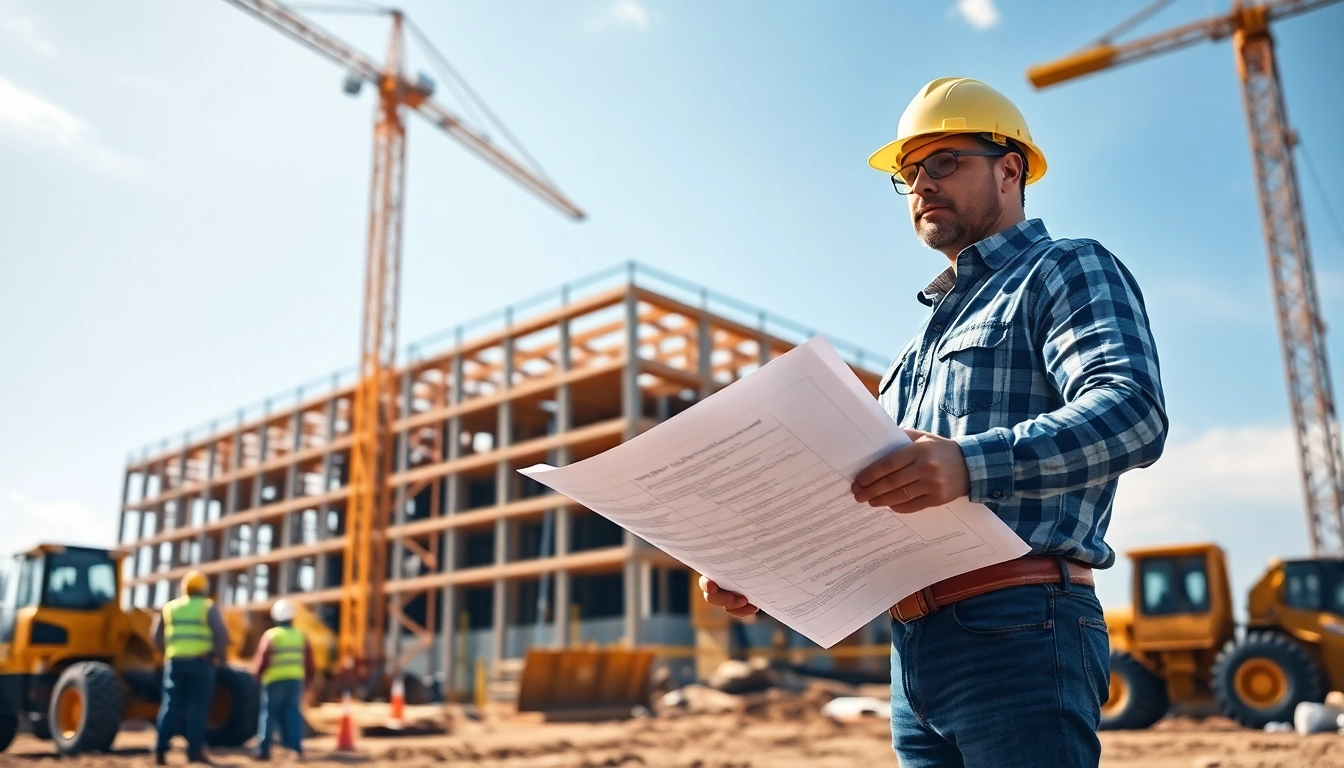
Understanding the Role of a New Jersey General Contractor
When embarking on a construction project, whether it’s a new build, a significant renovation, or a simple remodel, choosing the right professional is crucial. A New Jersey General Contractor plays a pivotal role in turning your vision into reality. They are responsible for coordinating all aspects of a construction project, ensuring that everything runs smoothly, on time, and within budget. Understanding their role can help you choose the right contractor to meet your specific needs.
Primary Responsibilities
A New Jersey General Contractor has a range of responsibilities that are vital for the successful completion of a project:
- Project Management: They oversee the entire project from start to finish, coordinating with subcontractors, suppliers, and clients to ensure that every aspect of the project is executed as planned.
- Budget Management: Keeping track of expenses and managing the budget is a key responsibility. They provide cost estimates and keep the project within financial limits.
- Compliance: They ensure that all work carried out complies with local laws, building codes, and safety regulations, which is critical for the protection of your investment.
- Quality Control: A general contractor is responsible for maintaining high-quality workmanship. Regular inspections are conducted to ensure standards are upheld.
- Timeline Coordination: They set and manage timelines for the project, ensuring that each phase is completed on schedule.
Key Skills to Look For
Identifying a competent New Jersey General Contractor involves looking for specific skills:
- Communication: Effective communication skills are essential for managing relationships with clients, subcontractors, and suppliers.
- Problem-solving: The ability to address issues that arise during construction is vital for keeping projects on track.
- Organization: Strong organizational skills help in managing various tasks and timelines efficiently.
- Technical Knowledge: A solid understanding of construction methods, materials, and building codes is crucial.
- Leadership: A general contractor must be able to lead teams and motivate others to achieve project goals.
Benefits of Hiring a Professional
While DIY projects can be tempting, hiring a professional New Jersey General Contractor offers several advantages:
- Expertise: Professionals bring experience and knowledge that can significantly enhance the quality of the project.
- Time Savings: A contractor can manage all aspects of the project more efficiently than an individual can.
- Network of Resources: They have established relationships with suppliers and subcontractors, often securing better prices and higher quality work.
- Accountability: A professional contractor is accountable for the project quality and timeline, providing peace of mind to the client.
- Stress Reduction: By handling the complexities of the project, a general contractor allows you to focus on your personal life rather than construction details.
How to Find a Reliable New Jersey General Contractor
Finding the right contractor requires a strategic approach. Here are effective steps to ensure you make the best choice:
Researching Options Effectively
Begin by conducting thorough research. Consider the following resources:
- Online Search: Utilize search engines and local directories. Look for top-rated general contractors listed in your area.
- Referrals: Reach out to friends, family, or real estate professionals for recommendations.
- Professional Associations: Check with organizations like the National Association of Home Builders (NAHB) for a list of accredited contractors.
Asking the Right Questions
When you’ve identified potential contractors, interviewing them is essential. Consider these questions:
- What is your experience with projects similar to mine?
- Can you provide recent references?
- How do you handle unexpected issues that arise during construction?
- What is your estimated timeline for my project?
Checking Credentials and References
Before making a decision, verify the contractor’s credentials:
- Licensing: Ensure they are appropriately licensed for their trade in New Jersey.
- Insurance: Check that the contractor carries liability insurance and workers’ compensation to protect you from potential liabilities.
- References: Contact previous clients to ask about their experiences regarding quality, reliability, and communication.
Assessing Costs and Budgeting
Understanding the financial aspects of hiring a contractor is essential for a successful project:
Understanding Pricing Structures
Constructing a budget begins with understanding the different pricing models:
- Fixed Price: A set fee for the entire project, which can simplify budgeting but might include contingencies.
- Cost Plus: You pay for materials and labor plus a percentage for overhead, which can be less predictable.
- Time and Materials: You pay for the actual work and materials used, making it suitable for projects with changing scopes.
Getting Accurate Estimates
Be diligent when requesting estimates. Here’s how to ensure accuracy:
- Provide a detailed project description and plan.
- Request itemized quotes to understand where your money will go.
- Compare estimates from multiple contractors to gauge market rates.
Managing Financial Expectations
Effective financial management can prevent unexpected costs:
- Contingency Fund: Set aside a percentage (often 10-20%) of your budget for unexpected expenses.
- Payment Schedule: Agree on a payment timeline based on project milestones to manage cash flow effectively.
- Regular Updates: Request regular financial updates from your contractor to stay informed about budget status.
Effective Communication with Your New Jersey General Contractor
Effective communication is paramount in ensuring successful project execution:
Setting Clear Expectations
Establish clear goals and expectations at the outset:
- Define what you want in detail, from design elements to materials.
- Confirm timelines and deadlines and discuss how changes can impact them.
- Clarify what you expect regarding communication frequency and method.
Regular Progress Check-Ins
Creating opportunities for regular updates can enhance project management:
- Schedule weekly or bi-weekly check-ins to discuss progress and address concerns.
- Use these meetings to celebrate milestones reached, helping to foster a collaborative relationship.
- Consider photo updates or site visits to keep engaged with the progression of work.
Addressing Challenges Proactively
Every project will face challenges. Approach them positively:
- Maintain an open dialogue about any issues that arise, encouraging collaboration for solutions.
- Be flexible yet firm about your expectations; a professional will work with you to resolve conflicts.
- Sensitivity and understanding can often lead to better problem resolution.
FAQs About Hiring a New Jersey General Contractor
What should I include in my project scope?
Your project scope should detail the purpose, goals, deliverables, deadlines, and specific features you want in your construction project.
How can I ensure my contractor is licensed?
Check their licensing through the New Jersey Division of Consumer Affairs website to confirm that they are registered and in good standing.
What is the typical timeline for a construction project?
Timelines can vary significantly based on the project size, complexity, and weather conditions. Typically, expect a few weeks to several months.
Can I make changes during the project?
Yes, but making changes can impact timelines and costs. Always discuss changes with your contractor to understand implications.
How do payments work throughout the construction process?
Payments are typically structured around project milestones, with an initial deposit and subsequent payments occurring as work is completed.