
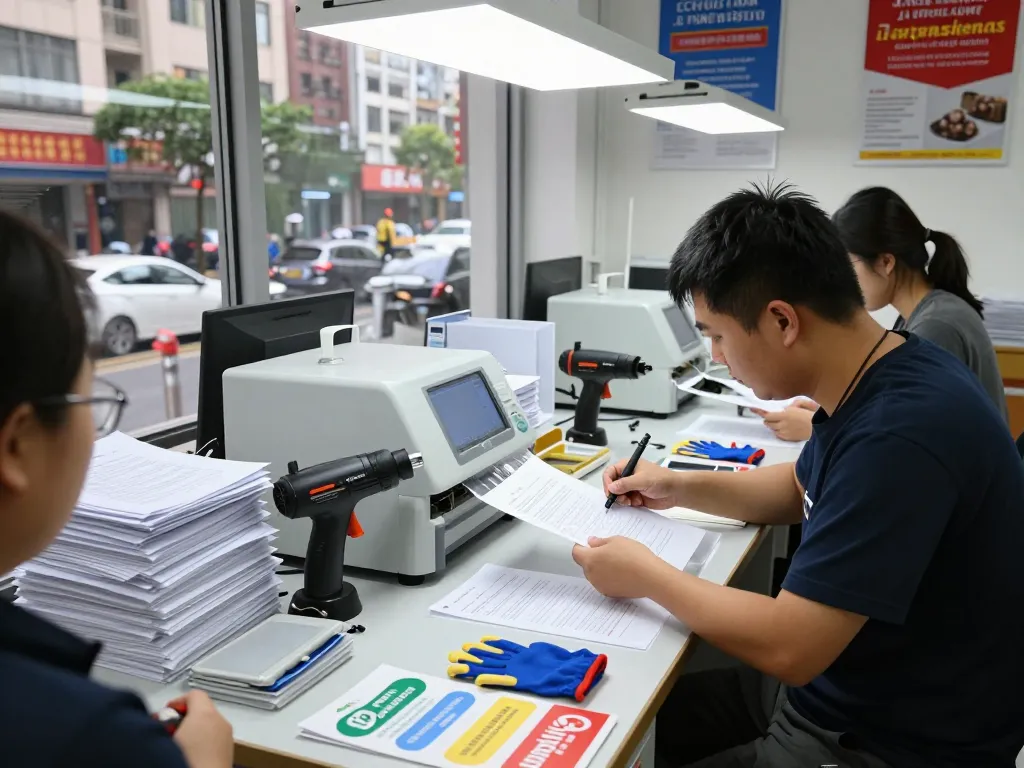
Understanding the Basics of gỡ ép plastic hà nội
In recent years, the practice of laminating documents has become increasingly common, as individuals and businesses seek to protect their important papers from damage, moisture, and wear. However, when the time comes to remove plastic lamination, many find themselves wondering about the best methods to use, especially in places like Hanoi. Proper techniques for gỡ ép plastic hà nội can make all the difference in preserving the integrity of the documents. This guide will explore the intricacies of plastic lamination, the methods of removal, and how to avoid common pitfalls associated with document restoration.
What is Plastic Lamination and its Purpose?
Plastic lamination is a process that encases documents between layers of plastic, providing durable protection against physical and environmental harm. Primarily used for items like ID cards, certificates, and important paperwork, lamination serves to enhance longevity and safeguard against potential damage, such as fading, tearing, and moisture. The lamination process typically involves applying heat and pressure to adhere the plastic to the paper, creating a solid bond.
Common Materials Used in Plastic Laminating
The materials involved in plastic lamination can vary, but they generally include:
- Laminating Film: A transparent plastic film, often made from polyester or polypropylene.
- Adhesive: Used to create the bond between the laminate and the document, most commonly a thermoplastic adhesive that activates under heat.
- Backing Material: Some laminating processes include a backing material for additional protection.
How gỡ ép plastic hà nội Differs from Traditional Methods
Traditional methods of removing laminated plastic often involve applying heat, such as using a hairdryer or heat gun. While effective, these methods can potentially damage underlying documents if not executed carefully. In contrast, modern techniques, particularly the non-force pulling method, offer a safer alternative. This method retains the integrity of the document while ensuring that it is free from its protective plastic cover.
Challenges in gỡ ép plastic hà nội
Despite advancements in techniques, there are still significant challenges faced when trying to remove plastic lamination. Understanding these issues is crucial for anyone looking to undertake the task successfully.
Why Improper Techniques Can Damage Documents
Using inappropriate methods to remove laminate can lead to a variety of damages, including tearing, loss of text, or leaving behind adhesive residues that compromise the document’s usability. When heat is applied indiscriminately, it can not only damage the document’s surface but also alter the adhesive properties, making removal challenging.
Identifying Different Types of Laminates
Not all laminates are created equal. There are two primary types of laminates: hot and cold. Hot laminates use heat for adhesion, while cold laminates use pressure-sensitive adhesives. Each type has its own set of challenges when it comes to removal, with hot laminates presenting a higher risk of damage due to the latent heat effects on the adhesive over time.
Common Misconceptions About Document Restoration
Many individuals believe that any removal method will suffice; however, this is far from the truth. Misconceptions such as “using heat is always safe” or “all laminates can be removed easily” can lead to frustration and damage. Understanding the right approach based on the laminate type and the document’s fragility is key to successful restoration.
Best Practices for Safe gỡ ép plastic hà nội
To ensure effective and safe removal of plastic lamination, following best practices is essential. These practices will not only help in preserving documents but also in minimizing potential damage during the process.
Step-by-Step Guide to Removing Plastic Lamination
- Assess the Document: Check the type of laminate used and the condition of the document.
- Choose the Right Method: Depending on the laminate type, opt for heat application or the non-force pulling technique.
- Prepare the Workspace: Ensure a clean, well-lit area free from distractions.
- If Using Heat: Use a low-temperature setting and keep the source at a safe distance to avoid overheating.
- Apply the Method: Whether using heat or gentle pulling, consistently check the document’s condition throughout the process.
- Final Inspection: After removal, inspect for any residues or damage that may need addressing.
Tools and Equipment Needed for Successful Restoration
Before starting the removal process, gather necessary tools such as:
- Heat source (hairdryer, heat gun) for those opting for heat removal.
- Spatula or a similar tool for gentle lifting.
- Cleaning solution for any adhesive residues.
- Soft cloths for document care after removal.
When to Seek Professional Help
If a document is particularly valuable or fragile, it is advisable to seek professional assistance rather than risk damage. Professionals have access to specialized equipment and techniques that can ensure a higher success rate in document restoration without risk of loss.
Case Studies: Successful gỡ ép plastic hà nội Examples
Real-life examples can provide invaluable insights into the benefits of professional services and the consequences of improper techniques.
Client Testimonials and Before/After Comparisons
Many clients have shared their success stories after engaging professional services for gỡ ép plastic hà nội. Before-and-after photos illustrate the remarkable transformations that meticulous removal processes can achieve, restoring both the physical appearance and functionality of essential documents.
Handling Special Cases: Fragile and Historic Documents
Particularly delicate documents, such as historical records, require extra care during the lamination removal process. Professionals often employ advanced techniques that minimize risks, ensuring that these invaluable papers remain intact for future generations.
Industry Standards and Practices in Document Restoration
The document restoration field is governed by specific standards designed to ensure that ethical practices are upheld and that client satisfaction is paramount. Understanding these standards can help clients choose the right professionals for their needs.
The Future of gỡ ép plastic hà nội Techniques
As technology evolves, so too do the techniques available for document restoration. Staying updated on the latest methods and technologies is essential for those involved in or utilizing document preservation services.
Emerging Technologies in Document Restoration
The use of laser technology and chemical solutions in document restoration is on the rise. These methods can assist in removing laminates with minimal risk of damage, providing more efficient restoration processes.
Trends for 2026 and Beyond in Document Preservation
Looking ahead, the preservation industry is likely to see continued advancements in material sciences and eco-friendly solutions that prioritize both document integrity and environmental sustainability.
How to Stay Informed on Best Practices
Individuals and businesses can benefit from continued education through workshops and online resources that focus on document preservation best practices. Engaging with industry professionals and participating in forums can also provide valuable insights.
What are the best tools for gỡ ép plastic hà nội?
For the most efficient and effective removal, tools such as heat guns, specialized spatulas, and adhesive removers are recommended. These tools allow for precision and care, ensuring that documents are preserved during the process.
Can I gỡ ép plastic hà nội at home?
While some may attempt to remove plastic lamination at home, it’s essential to understand the risks involved. For ordinary documents, it may be feasible, but for valuable items, professional assistance is advisable.
What are the risks of using heat for plastic removal?
Applying heat can lead to issues such as melting the laminate excessively, damaging the document underneath, or even causing ink to run. Thus, caution must be exercised when using heat-related methods.
How long does it take to gỡ ép plastic hà nội?
The time taken to remove plastic lamination varies based on the method used and the type of laminate. Generally, it can take anywhere from a few minutes to an hour, especially if professional services are involved.
Is professional help worth the investment?
Investing in professional document restoration services often pays off in the long run, especially for important documents. The risk of damage or loss is significantly reduced, ensuring that valuable documents are preserved for future use.