
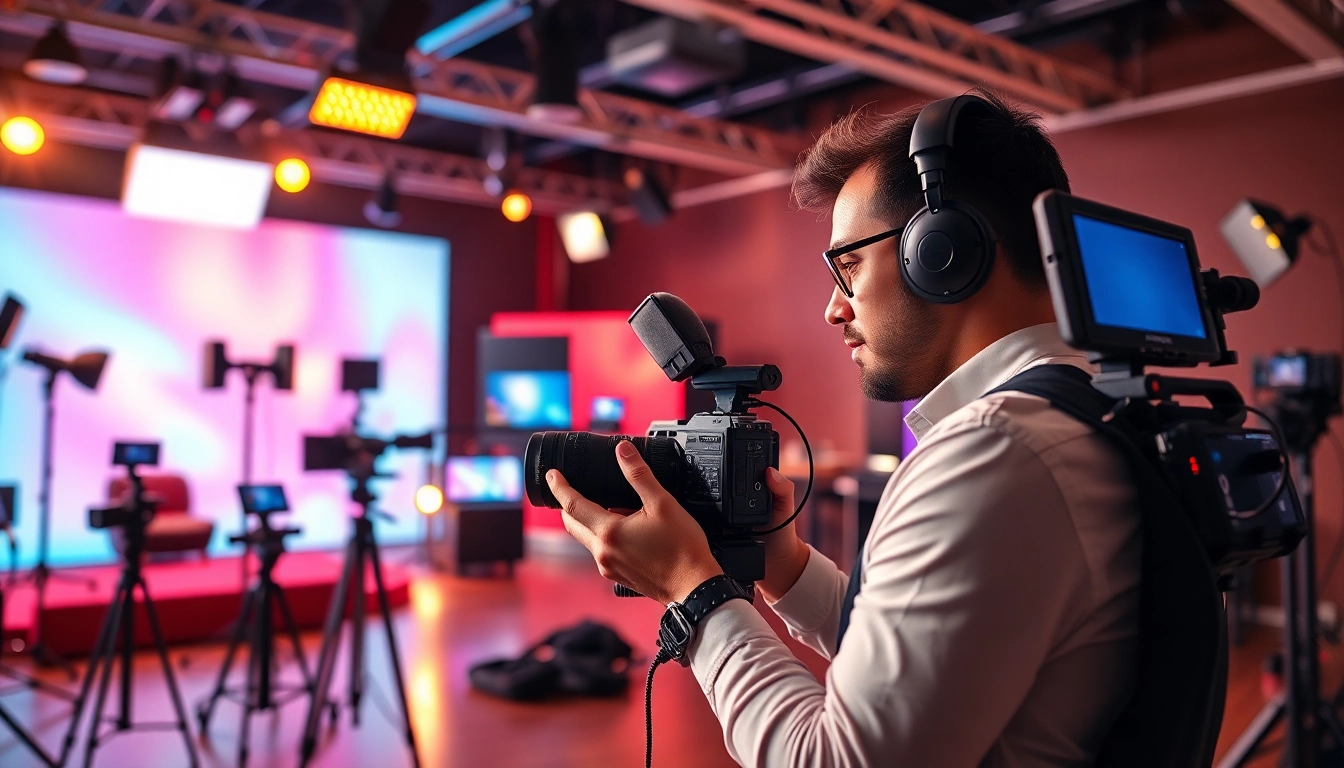
Understanding Professional Video Production
Definition and Importance
Professional video production refers to the process of creating high-quality, compelling video content using industry-standard techniques and equipment. This process is paramount for businesses aiming to communicate their message effectively, showcase products, or connect directly with audiences through storytelling. In a digital age where video content is king, mastering Professional Video Production becomes essential for brand visibility and engagement, establishing emotional connections with your audience, and ultimately driving results.
Key Components of Professional Video Production
Several crucial components contribute to successful video production. These include:
- Pre-Production: This phase involves planning and organizing all aspects of the video project, from conceptualization to scripting.
- Production: During production, the actual filming takes place, requiring careful attention to detail in capturing visual and audio elements.
- Post-Production: Editing, color grading, sound design, and adding effects occur in this phase, ensuring a polished final product.
Each of these stages requires specific expertise and tools, which together contribute to the creation of professional-grade video content.
Types of Video Production Services
Video production services can be broadly categorized into various types, each serving different objectives:
- Corporate Videos: Used by businesses for internal training, marketing, or brand storytelling.
- Commercials: Short clips designed primarily to promote products or services.
- Event Coverage: Documenting live events such as weddings, conferences, and concerts.
- Promotional Videos: Focused on marketing efforts to raise awareness about specific initiatives or campaigns.
- Educational Content: Used in training and instructional contexts to facilitate learning.
Choosing the right type of production service depends on the goals and the target audience of the content being created.
Essential Equipment for Professional Video Production
Cameras and Accessories
The foundation of any video production is the camera system. Professional setups may include:
- Cameras: DSLRs, mirrorless cameras, and camcorders are popular choices for their versatility and quality.
- Lenses: Different lenses can affect the mood and tone of the shot, from wide-angle for expansive scenes to macro for intricate details.
- Gimbals and Stabilizers: These tools help minimize camera shake, yielding smooth footage even in dynamic environments.
Investing in high-quality cameras and supporting accessories is vital to achieve professional results.
Lighting Options and Techniques
Lighting plays a crucial role in setting the scene and creating the desired atmosphere. Common lighting equipment includes:
- Key Lights: The primary light source that highlights the subject.
- Fill Lights: These are used to soften the shadows created by key lights, ensuring balanced lighting.
- Backlights: They help separate the subject from the background, adding depth to the scene.
Techniques such as three-point lighting are often employed to create a professional look that enhances visual storytelling. Understanding how to manipulate light can transform a good video into a great one.
Audio Gear for Clear Sound
Great audio is just as crucial as great visuals. Here are some essential audio equipment choices:
- Lavalier Microphones: Ideal for interviews and speeches as they provide excellent audio quality in compact formats.
- Shotgun Microphones: Useful for directional sound capture, focusing on specific sounds while minimizing background noise.
- Audio Recorders: Quality external recorders can capture sound better than built-in camera microphones, offering greater fidelity.
The importance of investing in quality audio gear cannot be overstated, as poor sound can undermine the entire production quality.
Planning Your Professional Video Production
Creating a Concept and Script
Every successful video begins with a strong concept and a well-structured script. This phase involves brainstorming ideas that resonate with the target audience and align with the project objectives. A clear script serves as the roadmap for production, detailing the dialogue, action, and visual elements. Collaboration with writers and creative minds is key to crafting compelling narratives that captivate viewers.
Storyboarding and Shot Planning
Storyboarding brings the script to life by visualizing each scene. This process involves sketching key frames, determining shot types, camera angles, and transitions, which sets a clear direction for filming. Additionally, shot planning includes creating a shot list that outlines each required take, ensuring that nothing essential is missed during production. This level of preparation helps streamline the filming process and keeps the team focused.
Budgeting for Success
Effective budgeting is essential for any professional video production. Expenses can accumulate quickly due to equipment rentals, personnel fees, location costs, and post-production editing. Creating a detailed budget and sticking to it can mean the difference between a successful project and unanticipated financial difficulties. It’s crucial to factor in all aspects and include a contingency fund to address unforeseen circumstances.
Techniques for Enhancing Professional Video Production
Filming Techniques for Quality
Employing advanced filming techniques can differentiate a professional production from amateur attempts. Key techniques include:
- Framing and Composition: Using the rule of thirds, leading lines, and symmetry can create visually compelling shots.
- Camera Movement: Techniques such as panning, tilting, and dolly shots can add dynamism to the footage.
- Use of Depth: Creating depth through foreground and background elements enhances the three-dimensionality of the video.
Implementing these techniques can significantly elevate the quality and aesthetic appeal of video content.
Editing Process and Tools
The editing process is where the final narrative comes together. Professional editors use advanced software such as Adobe Premiere Pro or Final Cut Pro to streamline their workflow. Key steps in the editing process include:
- Assembling Footage: Organizing and trimming raw footage to form a coherent narrative.
- Color Grading: Adjusting colors to enhance mood and create a cohesive look across scenes.
- Sound Design: Integrating audio elements, including voiceovers, music, sound effects, and ambient sounds for a polished finish.
Effective editing transforms raw footage into an engaging and impactful video.
Post-Production Essentials
Post-production is the final phase, where additional elements are introduced to elevate the video further. This may involve:
- Visual Effects: Adding digital effects to enhance storytelling or to create visual appeal.
- Titles and Graphics: Implementing titles, captions, and graphics can help convey key messages more effectively.
- Exporting and Distribution: Choosing the right formats for various platforms ensures optimal viewing experiences.
Paying attention to these post-production elements can make a substantial difference in the final product’s quality.
Measuring the Success of Your Professional Video Production
Key Performance Indicators
Measuring the success of video production hinges on defining clear key performance indicators (KPIs). Common KPIs include:
- View Metrics: Tracking the number of views can gauge interest and outreach.
- Engagement Rates: Metrics such as likes, comments, and shares indicate how well the video resonates with the audience.
- Conversion Rates: Evaluating how many viewers take action (such as signing up or making purchases) after watching the video reflects its effectiveness.
Regularly monitoring these KPIs can help refine future video production strategies.
Feedback and Iteration Strategies
Feedback is essential for continuous improvement in video production. Solicit input from viewers, stakeholders, and peers to identify strengths and weaknesses in the content. Implementing a systematic approach to gather and analyze feedback can inform iterative revisions, enhancing future projects. Constructive feedback allows for refining processes, techniques, and overall storytelling.
Case Studies of Successful Productions
Analyzing real-life case studies can offer insights into successful video production. For instance, a promotional video for a non-profit organization detailing its mission and impact can significantly boost donations and awareness. Furthermore, studying campaigns that utilized effective storytelling techniques can provide valuable lessons on emotional engagement and audience connection. Each case study provides actionable insights, guiding creators toward best practices that yield results.
Frequently Asked Questions
What is the typical timeline for a professional video production?
The timeline varies based on project complexity, but a typical production may take anywhere from a few weeks to several months, including all pre-production, production, and post-production phases.
What are the costs associated with professional video production?
Costs can range widely depending on factors like production scope, location, equipment, and talent involvement, but budgeting several thousand dollars for a quality production is common.
How can I ensure good audio quality in my video?
Invest in quality microphones, keep background noise to a minimum, and consider using an external audio recorder to capture clear sound during filming.
What kind of content works best for video marketing?
Content that tells a story, resonates emotionally, and engages the target audience, such as tutorials, customer testimonials, or behind-the-scenes looks, typically performs best in video marketing.
How often should I produce video content?
Regularity should align with your marketing strategy. Depending on your audience and resources, producing content weekly, monthly, or quarterly could be effective in maintaining engagement.