
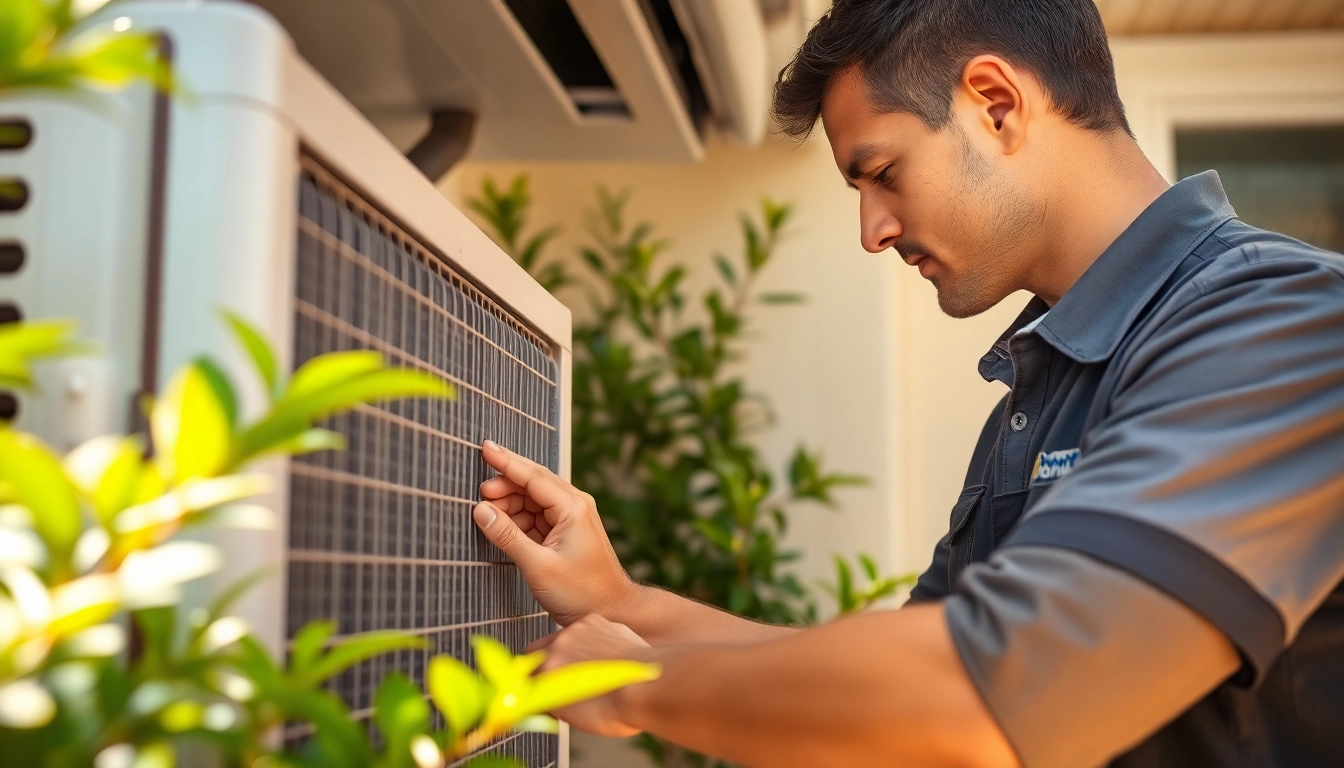
Understanding the Basics of AC Repair Tampa
What is AC Repair Tampa?
AC Repair Tampa encompasses a range of services aimed at maintaining, diagnosing, and repairing air conditioning systems. This specialized repair service is crucial for ensuring indoor comfort, particularly in the humid climate of Tampa, Florida. Experts in AC repair have the training and tools necessary to identify issues ranging from minor faults to significant malfunctions, ensuring that homes and businesses can enjoy reliable cooling throughout the year. For comprehensive AC repair services in Tampa, consider our expert solutions in AC Repair Tampa.
Common AC Problems Homeowners Face
Homeowners often encounter various issues with their air conditioning systems. Some of the most prevalent problems include:
- Insufficient Cooling: One of the most common complaints, typically caused by low refrigerant levels, dirty coils, or a faulty compressor.
- Strange Noises: Sounds like grinding, squeaking, or hissing can indicate mechanical issues or the need for lubrication.
- Leakage: Water pooling around the unit can suggest a clogged drain line, frozen evaporator coils, or damaged condensate pumps.
- Inconsistent Temperatures: A sign of a malfunctioning thermostat, inadequate ductwork, or a failing compressor.
- Poor Airflow: Often caused by obstructed ducts, dirty filters, or issues with the blower fan.
Importance of Timely AC Repairs
Timely repairs are crucial for several reasons. Firstly, they prevent minor issues from escalating into costly failures, ensuring the longevity of the unit. Additionally, regular maintenance enhances energy efficiency, which can lead to lower utility bills. Delayed repairs can also compromise indoor air quality, leading to health issues for residents. Therefore, recognizing when your AC system needs attention is pivotal for maintaining a comfortable living environment.
When to Seek AC Repair Tampa Services
Signs Your AC Needs Repair
There are several indicators that it’s time to seek AC repair services. Homeowners should be vigilant for signs such as:
- Unusual Noises: Loud or unexpected sounds might point to mechanical failures.
- Unpleasant Odors: Musty or burning smells can indicate mold growth or electrical issues.
- Higher Energy Bills: A sudden increase in energy costs might suggest inefficiency caused by a malfunctioning system.
- Humidity Levels: Excessive humidity indoors could indicate that the AC isn’t working effectively.
- Frequent Cycling: Short cycles often point to thermostat problems or unclean filters.
How to Identify a Reliable AC Repair Service
Choosing a trustworthy AC repair service is essential for quality and peace of mind. Some tips for identifying a reliable company include:
- Check Credentials: Ensure that the service providers are licensed, insured, and have trained technicians.
- Read Reviews: Consider customer testimonials and ratings on reputable platforms.
- Get Estimates: Reliable companies provide clear, written estimates and explain their pricing structures.
- Inquire About Warranties: A good service should offer warranties on both labor and parts used in repairs.
- Look for Experience: Companies with a longstanding history in the area tend to deliver more reliable service.
Cost Factors Affecting AC Repair Tampa
The cost of AC repairs can vary significantly based on several factors. Homeowners should consider:
- Type of Repair: Simpler repairs generally cost less than major component replacements.
- System Age and Model: Older systems may require more specialized parts and labor.
- Labor Costs: Local labor rates can affect overall costs; more qualified technicians may charge higher rates but provide better service.
- Seasonality: Demand for HVAC services can affect pricing; repairs might be more expensive during peak heat months.
- Extent of Damage: The more severe the issue, the higher the costs associated with diagnosing and fixing the problem.
DIY vs. Professional AC Repair Tampa
Simple Maintenance Tips for Homeowners
Homeowners can perform various simple maintenance tasks to ensure their air conditioning systems run efficiently. These tasks include:
- Changing Filters: Replace or clean filters monthly to maintain airflow and reduce strain on the unit.
- Cleaning Coils: Regularly clean the outdoor and indoor coils to improve efficiency.
- Checking Ductwork: Inspect ductwork for leaks or blockages that may inhibit airflow.
- Thermostat Settings: Adjust thermostats for optimal performance, especially when away from home.
- Regular Inspections: Schedule annual professional inspections to catch issues early.
When DIY Repairs May Not Work
While many maintenance tasks can be done by homeowners, some repairs are best left to professionals. DIY attempts may not be feasible for:
- Complex Electrical Issues: Anything involving wiring or electrical components should be handled by licensed technicians.
- Refrigerant Leaks: Handling refrigerants improperly can be dangerous and is regulated by law.
- Major Component Failures: Issues with compressors, evaporators, or condensers often require specialized tools and knowledge.
- System Sizing Problems: Correctly sizing a new unit requires expertise in HVAC calculations.
- Mold Issues: If mold is suspected, professional intervention is essential to remediate a comprehensive solution safely.
Benefits of Hiring Professionals for AC Repair
Entrusting AC repair to professionals offers significant advantages:
- Expertise: Trained technicians can accurately diagnose and resolve issues effectively.
- Safety: Professionals understand the risks associated with HVAC systems, ensuring safe handling of repairs.
- Time Efficiency: Hiring experts saves time and effort for homeowners while ensuring quicker resolutions.
- Warranty Protection: Many repairs may come with warranties, providing additional peace of mind.
- Long-Term Solutions: Professionals can recommend preventative measures to avoid future issues.
Choosing the Right AC System for Your Home
Factors to Consider When Selecting an AC System
Selecting the right AC system for your home is a critical decision that impacts both comfort and energy costs. Key factors to consider include:
- Home Size: The size of your home dictates the cooling capacity needed; larger homes require more powerful systems.
- Energy Efficiency: Look for units with high SEER ratings, as these will save money over time.
- Climate Considerations: In humid climates like Tampa, systems designed to handle high moisture levels may be beneficial.
- Installation Space: Consider the available installation space for both indoor and outdoor units.
- Budget: It’s essential to balance upfront costs with long-term operating expenses.
Energy Efficiency Ratings Explained
Energy Efficiency Ratings (EER) and Seasonal Energy Efficiency Ratios (SEER) denote an air conditioning system’s efficiency. A higher SEER rating indicates better energy efficiency, which can lead to significant savings on utility bills. In humid regions, also pay attention to the Energy Efficiency Ratio, as it provides insights into a system’s cooling performance relative to its energy consumption.
Cost-Benefit Analysis of New AC Installations
Evaluating the cost-to-benefit ratio of new AC installations is essential for homeowners. While initial costs can be substantial, consider the following benefits:
- Energy Savings: Modern systems tend to be much more energy-efficient than older models, leading to lower energy bills.
- Improved Comfort: Newer systems often come equipped with better technology, which results in more consistent temperatures and humidity control.
- Environmental Impact: Investing in energy-efficient models can lead to a reduced carbon footprint.
- Fewer Repairs: New units typically come with warranties that reduce repair and maintenance costs in the short term.
- Increased Home Value: A well-functioning, efficient AC system can enhance your home’s market appeal.
Frequently Asked Questions about AC Repair Tampa
What are the typical costs of AC repairs?
Typical AC repair costs can range from $100 to $1,500, depending on the extent of the service needed. Minor repairs are usually less expensive, while major issues or replacements will increase the price significantly.
How often should I have my AC system serviced?
It is recommended to service your AC system at least once a year. Regular maintenance can help catch potential issues early and ensure efficient operation.
What steps can I take to prepare for an AC repair?
Prepare for an AC repair by clearing the area around the unit, ensuring easy access for technicians, and keeping records of previous maintenance or repairs.
Is it worth repairing an old AC unit?
Deciding whether to repair or replace an old AC unit depends on its age and condition. Generally, if repairs exceed 50% of the replacement cost or the unit is over 10-15 years old, a replacement is more favorable.
How can I avoid future AC issues?
To avoid future AC issues, schedule regular maintenance, change filters frequently, and ensure proper airflow. Additionally, be observant of any changes in the system’s performance.