
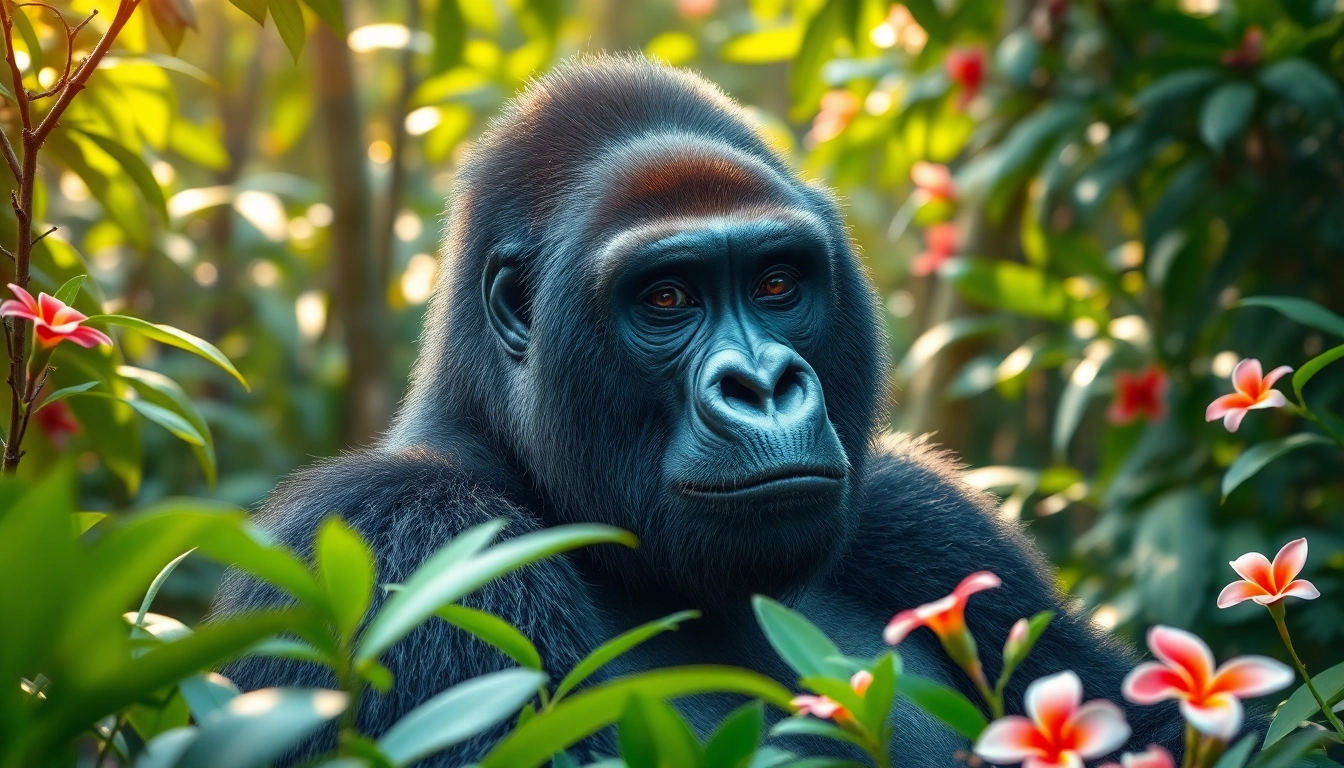
Understanding Gorilla Trekking and Tanzania Safari
The allure of exploring the African wilderness is an experience that tantalizes the senses and stirs the spirit. Amongst the myriad adventures awaiting, Gorilla trekking and Tanzania safari stand out as two of the most captivating. These journeys promise not only breathtaking landscapes but also unforgettable encounters with some of the world’s most majestic wildlife.
What is Gorilla Trekking?
Gorilla trekking is an adventure that takes you deep into the primordial forests where the world’s largest primates roam free within their natural habitat. This experience allows intrepid travelers the opportunity to observe and spend time with these incredible creatures up close, watching their behaviors and interactions within their troop. Typically, gorilla trekking takes place in regions such as Rwanda, Uganda, and the Democratic Republic of Congo, where mountain gorillas are mostly found. The treks are led by experienced guides, who ensure the safety of both the trekkers and the gorillas.
The Essence of a Tanzania Safari
A Tanzania safari offers a contrasting yet harmonizing experience to that of gorilla trekking. Renowned for its vast savannahs, diverse ecosystems, and the iconic Great Migration, a safari in Tanzania showcases some of nature’s most awe-inspiring spectacles. From spotting elephants in Tarangire National Park to witnessing the astounding wildlife diversity in Serengeti National Park, every moment is imbued with the pulse of wild Africa. Guided by knowledgeable rangers, these excursions are not just about observing animals; they’re about understanding the intricate balance of the ecosystems.
Why Combine Both Adventures?
Combining gorilla trekking with a Tanzania safari creates a multifaceted experience that showcases Africa’s rich biodiversity and cultural heritage. This dual adventure allows travelers to delve into the lives of both primates and large mammals in their respective habitats, offering insights into their behaviors, environmental challenges, and conservation efforts. Experiencing the juxtaposition of mountain jungles with open savannahs enriches one’s appreciation for the continent’s wild beauty.
Planning Your Gorilla Trekking and Tanzania Safari
Best Times to Go
The best time for gorilla trekking typically falls during the dry seasons from June to September and December to February when the trails are less muddy, making trekking easier. For a Tanzania safari, the dry season is preferred for animal viewing, particularly between June and October, as wildlife tends to congregate around water sources, and the visibility is clearer.
Essential Gear for Your Journey
Equipping yourself for both a gorilla trek and a safari is crucial to ensure comfort and safety during your adventures. Essential gear includes:
- Footwear: Sturdy hiking boots for trekking; comfortable shoes for safari days.
- Clothing: Lightweight, moisture-wicking, and neutral-colored clothing that blends with the environment. Long sleeves and pants can protect against scratches and insect bites.
- Protection: Sunscreen, wide-brimmed hats, and insect repellent to fend off the sun and bugs.
- Photography: A good camera with a zoom lens, along with extra batteries and memory cards, is crucial for capturing the wildlife.
Choosing the Right Tour Operator
Selecting a reputable tour operator can make a significant difference in your experience. Look for operators with excellent customer reviews, knowledgeable guides, and strong conservation ethics. They should prioritize responsible tourism practices, ensuring that the wildlife is respected while providing sustainability to local communities. Researching and choosing an experienced tour operator who offers customized experiences that match your interests will enhance your trip considerably.
Wildlife Encounters: What to Expect
Gorilla Habitats and Behaviors
Gorillas inhabit dense, mountainous tropical forests which provide them with the necessary vegetation for their diet. Observing these magnificent creatures in the wild offers insights into their social structures, grooming rituals, and the tender relationships shared within family groups. Understanding their behavior not only enriches the trekking experience but also highlights the importance of conservation efforts to protect their vulnerable populations.
Other Wildlife to Observe in Tanzania
Tanzania’s diverse ecosystems are home to a vast array of wildlife. On a safari, you can expect to see the “Big Five”—lions, elephants, buffaloes, leopards, and rhinoceros. In addition to these, numerous species such as cheetahs, zebras, and wildebeests populate the land. Birdwatchers will delight in spotting over 1,100 species, making it a remarkable destination for avifauna enthusiasts. The Great Migration, which sees millions of wildebeest and zebra traversing the Serengeti plains, stands as one of nature’s most spectacular events.
Safety Precautions During Your Safari
Safety should always be a priority during your treks and safaris. While gorilla encounters are generally safe, following guidelines and maintaining a safe distance from the gorillas minimizes the risk of transmitting diseases. On safaris, staying inside the vehicle during game drives, respecting wildlife, and following your guide’s instructions are crucial for ensuring safety and a rewarding experience.
Cultural Insights on Your Journey
Engaging with Local Communities
Engaging with local communities during your adventures not only enriches your experience but fosters economic support for those living in proximity to wildlife. Many tour operators offer cultural visits to nearby villages, where travelers can interact with residents, learn about traditional practices, and witness the daily lives of locals. This creates a mutual respect and understanding of how humans and wildlife can coexist.
Understanding Tanzania’s Cultural Heritage
Tanzania is a mosaic of cultures with over 120 ethnic groups, each contributing unique traditions, languages, and stories. Visitors have the opportunity to immerse themselves in this rich heritage through art, traditional dance, music, and local cuisine. Recognizing and respecting cultural customs is essential for fostering harmonious interactions while traveling through the region.
Conserving Wildlife and Local Traditions
Conservation efforts in Tanzania not only aim to protect wildlife but also support local communities. Sustainable tourism initiatives can help fund schools, healthcare, and local enterprises, creating a shared investment in both conservation and community welfare. Understanding this nexus between wildlife conservation and human development can enhance the travel experience while contributing positively to the regions visited.
Frequently Asked Questions
What is the cost of gorilla trekking permits?
The cost of permits for gorilla trekking varies by country and is subject to change, but typically ranges from $600 to $1,500 per person, depending on the location and duration.
How physically fit do I need to be for a gorilla trek?
A moderate fitness level is recommended for gorilla trekking, as participants may hike for several hours in steep and uneven terrain. Stair climbing and endurance training can help with preparation.
Can I take photos during the trekking?
Yes, taking photos during gorilla trekking is allowed but with specific guidelines. Flash photography is prohibited to prevent startling the gorillas and compromising their natural behavior.
What should I wear for a Tanzania safari?
Dress in lightweight, breathable, and neutral-colored clothing to blend in with the environment. Long sleeves and pants are advised for protection against sun and insects.
Are guided tours necessary for gorilla trekking?
Yes, guided tours are essential for gorilla trekking, as they ensure safety, provide locality knowledge, and help with navigation through often difficult terrain while minimizing disruption to wildlife.