
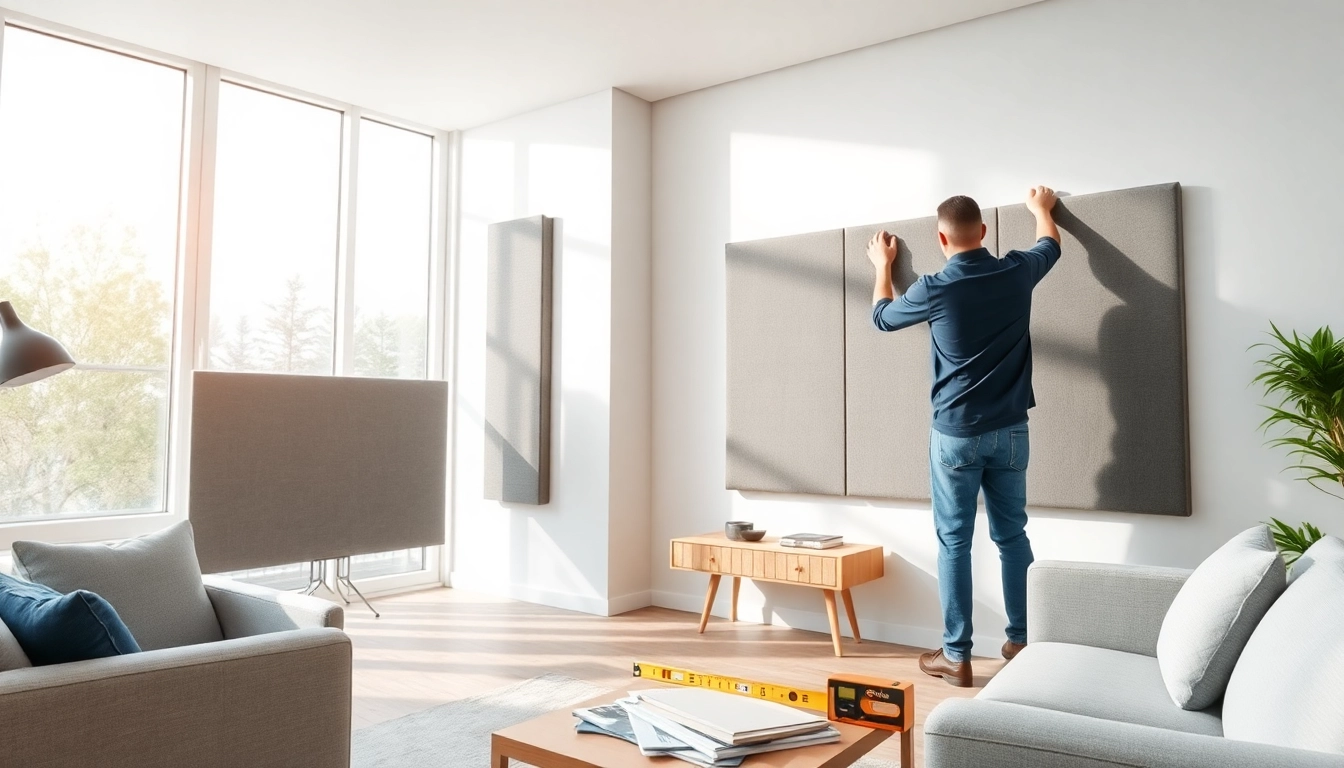
Understanding Soundproofing
What is Soundproofing?
Soundproofing is the process of reducing or blocking noise from entering or leaving a space. It involves a variety of techniques and materials designed to diminish sound waves’ impact. Whether you’re aiming to create a tranquil home environment, a focused workspace, or a serene studio, understanding soundproofing is essential. At its core, soundproofing focuses on controlling vibrations through insulation, mass, and sound-absorbing materials. Many homes and commercial establishments opt for Soundproofing to enhance comfort and functionality.
The Importance of Soundproofing
Soundproofing holds significant importance in today’s noisy world. Excessive noise can lead to increased stress levels, reduced productivity, and decreased quality of life. For businesses, unwanted noise can disrupt operations and affect clients’ experiences. Installing soundproofing solutions contributes to a healthier environment and promotes undisrupted focus. The impact also extends to property value, as homes with robust soundproofing tend to be more appealing to potential buyers.
Common Soundproofing Materials
There are various materials that are effective for soundproofing. Below are a few commonly used options:
- Mass Loaded Vinyl (MLV): A heavy, flexible material that adds significant mass, reducing sound transmission effectively.
- Acoustic Panels: Use special foam or fabric to absorb sound, typically found in music studios or theaters.
- Soundproof Drywall: Contains additional layers or materials that improve its sound-dampening capabilities.
- Insulation Materials: Fiberglass or cellulose insulation can help dampen sound and insulate against external noise.
- Green Glue: A noise-proofing compound applied between two sheets of drywall to enhance sound isolation.
Types of Soundproofing Solutions
Mass Loaded Vinyl
Mass Loaded Vinyl (MLV) is a popular choice for soundproofing due to its versatility and effectiveness. MLV is a dense material that can be easily hung on walls, ceilings, and floors. It works by adding mass to surfaces, which helps block sound waves from penetrating through. MLV is also flexible, making it suitable for various applications, including in residential settings, recording studios, or theaters.
Acoustic Panels
Acoustic panels are designed to absorb sound waves, thus preventing them from bouncing around a room. Made from materials like foam or fabric-wrapped fiberglass, these panels can be aesthetically pleasing and effective. They are often used in spaces needing enhanced sound quality, such as offices, schools, and auditoriums. Installing acoustic panels on walls and ceilings can significantly improve the auditory experience by reducing echo and reverberation.
Soundproof Drywall
Soundproof drywall, also referred to as sound-resistant drywall, is specially designed to block and reduce noise. Its construction typically involves additional layers or denser materials that mitigate sound transmission. For those building new homes or remodeling existing ones, integrating soundproof drywall can drastically reduce noise between rooms. It’s particularly effective for shared walls in multi-family housing.
Soundproofing Techniques
DIY Soundproofing Tips
Engaging in DIY soundproofing can be an affordable way to manage noise levels. Some effective tips include:
- Seal Gaps: Use caulk to seal cracks and gaps around windows, doors, and baseboards.
- Add Rugs or Carpets: Laying down thick rugs or carpets can absorb sound, reducing echoes.
- Use Heavy Curtains: Thick, heavy curtains can block external noise if you live in a noisy area.
- Create a DIY Acoustic Panel: Use wood frames filled with insulation and covered with fabric for cost-effective sound absorption.
Professional Installation Methods
While DIY solutions can be effective, hiring professionals may be necessary for complex soundproofing projects. Professionals typically assess the environment to determine the best approach and materials. Installation may include:
- Using advanced soundproofing materials tailored specifically for the acoustics of your space.
- Properly insulating walls or floors, ensuring there are no gaps that would allow sound to pass through.
- Implementing floating floors or double walls to create sound barriers effectively.
Using Absorption and Diffusion
Understanding the principles of absorption and diffusion is crucial for effective soundproofing. Absorption refers to materials that soak up sound waves, reducing echoes. Conversely, diffusion scatters sound waves, minimizing noise concentration yet allowing the presence of sound in a balanced manner. Utilizing a combination of both techniques ensures optimal soundproofing, resulting in a harmonious environment.
Measuring Soundproofing Effectiveness
Decibel Reduction Standards
The effectiveness of soundproofing is typically measured in decibels (dB). Each soundproofing material or solution will have a Noise Reduction Coefficient (NRC) rating, reflecting how well it can reduce sound. High NRC ratings (above 0.5) indicate better absorption capabilities. Evaluating these ratings helps in understanding how much noise reduction can be achieved.
Testing Techniques for Soundproofing
To accurately evaluate soundproofing effectiveness, various testing methods are employed, such as:
- Field Testing: Measuring sound levels in a space before and after soundproofing installation.
- Laboratory Testing: Evaluating materials’ soundproofing performance in controlled environments.
- User Experience Surveys: Gathering feedback from inhabitants on perceived noise levels and comfort.
Adjustments for Optimal Performance
Achieving optimal soundproofing often requires adjustments after initial installation. This may include repositioning sound-absorbing materials, enhancing sealing around windows and doors, or adding additional layers of sound barriers. Regular assessments and modifications ensure lasting effectiveness and comfort in your space.
Frequently Asked Questions about Soundproofing
What is the best soundproofing material?
The best soundproofing material depends on specific needs, but mass loaded vinyl, acoustic panels, and soundproof drywall are popular choices for effective noise reduction.
Can I soundproof on a budget?
Yes, soundproofing on a budget is possible. DIY methods, such as sealing gaps, adding rugs, and using heavy curtains, can significantly reduce noise without heavy expenses.
How long does soundproofing last?
Under normal conditions, soundproofing solutions like insulation and panels can last for many years, particularly if properly installed and maintained.
Is professional soundproofing worth it?
If you’re looking for a significant noise reduction, professional soundproofing is worth considering, as experts ensure optimal installation and material selection.
Does soundproofing improve home value?
Yes, effective soundproofing can enhance home value by offering prospective buyers a quieter, more comfortable living environment.