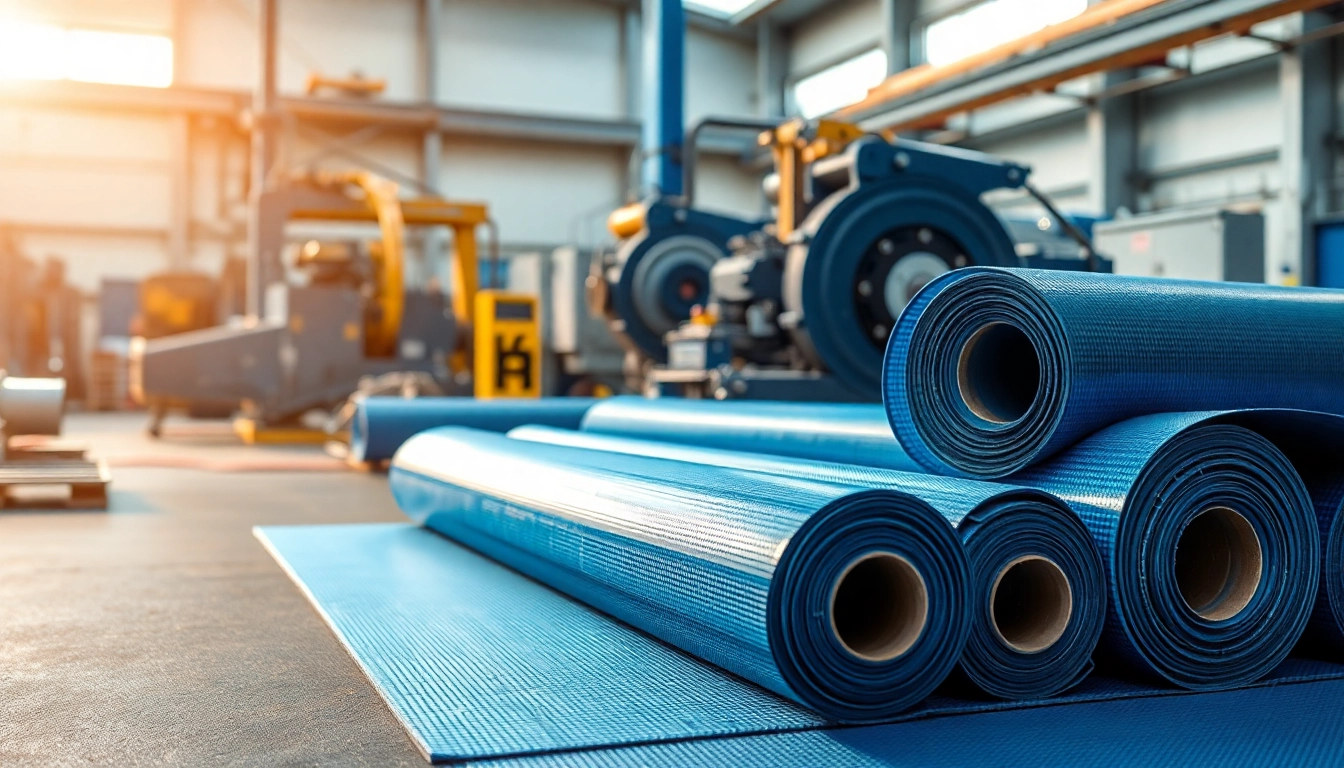
Explore the benefits of fiberglass mat in an engineering workshop setting.

The Essential Guide to Utilizing Fiberglass Mat in Construction and Manufacturing

Understanding Fiberglass Mat

What is Fiberglass Mat?

Fiberglass mat is a non-woven material made from glass fibers that are randomly oriented. This structural material is utilized for its excellent mechanical properties and is commonly utilized in various applications, including construction, automotive, and marine industries. Characterized by its lightweight nature yet substantial strength, fiberglass mat is an ideal choice for reinforcement in composites and other structures. The intertwining glass fibers contribute to its strength and resilience, making it a versatile option for many industries. This material is particularly beneficial when combined with resin systems, providing enhanced durability and rigidity.

Types and Variations of Fiberglass Mat

Fiberglass mat comes in various types, each suited for different applications. The most common types include:

  • Chopped Strand Mat (CSM): This type consists of randomly oriented glass fibers held together by a binder. It is primarily used for hand lay-up applications, providing good strength and surface finish.
  • Continuous Filament Mat: This variant features continuous strands of fibers that allow for greater strength and durability. It is ideal for applications requiring higher tensile strength.
  • Woven Roving Mat: Composed of continuous fibers woven into a fabric, it offers high strength and resistance to impact. This type is often used in advanced applications where high structural integrity is required.
  • Mat with Polyester: Sometimes, fiberglass mat is reinforced with polyester for additional mechanical properties, enhancing flexibility and durability.

Understanding the different types of fiberglass mat allows manufacturers and builders to select the appropriate type based on their specific requirements.

Key Properties and Benefits

Fiberglass mat boasts numerous properties that make it an attractive material choice across various sectors. Some of the key benefits include:

  • Lightweight: Despite its strength, fiberglass mat is significantly lighter than many traditional materials, making it easier to handle and install.
  • High Strength-to-Weight Ratio: It delivers excellent mechanical properties, providing high tensile strength while being lightweight.
  • Corrosion Resistance: Fiberglass mat does not corrode or degrade when exposed to water or chemicals, making it ideal for use in harsh environments.
  • Thermal Insulation: It offers sound dampening and thermal insulation properties, creating comfortable environments.
  • Versatile Applications: Its ability to bond well with various resins expands its usability in different industries.

One significant consideration while utilizing fiberglass mat is the method of application; choosing the right type of resin is essential to maximize its properties. For more information on selecting the right materials, refer to fiberglass mat.

Applications of Fiberglass Mat

Uses in Construction

In the construction industry, fiberglass mat is frequently used to enhance the structural integrity of various components. It is applied in:

  • Roofing Systems: Fiberglass mat provides reinforcement and roofing solutions, helping to ensure the longevity of roofs and enhance their water resistance.
  • Wall Panels: Used in composite wall panel systems, fiberglass mat helps reduce weight while maintaining durability and thermal properties.
  • Flooring Systems: Fiberglass mat enhances composite flooring systems, making them more resilient and capable of withstanding heavy loads.

The use of fiberglass mat in construction can significantly reduce the need for maintenance, offering long-lasting performance and cost savings over time.

Role in Automotive Manufacturing

Fiberglass mat has gained prominent use in automotive manufacturing due to its lightweight characteristics and excellent mechanical properties. It is commonly utilized in:

  • Body Panels: Lightweight and durable, fiberglass mat helps reduce the overall vehicle weight, leading to better fuel efficiency.
  • Interior Components: Parts like dashboards and door panels benefit from the strength and light weight of fiberglass mat, contributing to vehicle performance.
  • Composite Structures: In high-performance vehicles, fiberglass mat is often used with epoxy or polyester resins to create rigid yet lightweight components.

With compliance to stringent safety standards and performance metrics, fiberglass mat has transformed how vehicles are designed and manufactured.

Fiberglass Mat in Marine Industries

The marine industry extensively employs fiberglass mat for constructing boats, ships, and various marine structures. Fiberglass’s inherent resistance to saltwater and corrosion makes it ideal for marine applications. Common uses include:

  • Hulls and Decks: Fiberglass mat is used in boat hulls and decks, providing a lightweight yet durable structure that can withstand harsh marine environments.
  • Interior Components: From bulkheads to furniture, fiberglass mat contributes to the overall durability and functionality of interior marine components.
  • Repair and Maintenance: Due to its ease of application, fiberglass mat is used in repairs to reinforce and extend the life of marine structures.

The versatility and effectiveness of fiberglass mat in marine applications enhance safety, performance, and longevity, making it a preferred material choice.

Installation and Best Practices

Preparation Before Installation

Proper installation of fiberglass mat is crucial to maximizing its performance and durability. Before beginning, it is important to consider:

  • Surface Preparation: Ensure that the substrate is clean, dry, and free from contaminants like dust, grease, or moisture.
  • Material Selection: Choose the right type of fiberglass mat and resin for your specific application, considering factors like load requirements and environmental conditions.
  • Safety Precautions: Wear appropriate PPE (Personal Protective Equipment) such as gloves, masks, and goggles to prevent irritation from glass fibers and chemicals.

Taking the time to prepare adequately will set the foundation for a successful installation process.

Steps for Proper Installation

The steps for installing fiberglass mat effectively include:

  1. Cutting the Mat: Cut the fiberglass mat to the required size, ensuring a proper fit to avoid overlaps that may weaken the bond.
  2. Mixing the Resin: If using a two-part resin, mix according to the manufacturer’s instructions, ensuring a proper chemical reaction.
  3. Applying the Resin: Apply a layer of resin to the prepared surface using a brush or roller, ensuring even coverage.
  4. Laying the Mat: Carefully place the fiberglass mat onto the resin-coated surface and press it down, soaking it with additional resin.
  5. Wet-Out Process: Ensure the mat is fully saturated but not oversaturated. Remove air bubbles by using a roller.
  6. Curing: Allow the installation to cure as per the resin specification to ensure optimal bonding.

By following these steps, the fiberglass mat should be properly installed, ensuring longevity and performance in its application.

Maintenance Tips for Longevity

To ensure that fiberglass mat installations remain effective over time, consider the following maintenance tips:

  • Regular Inspections: Conduct periodic checks for signs of wear, water damage, or delamination, addressing issues promptly to prevent larger problems.
  • Cleaning: Clean surfaces with appropriate cleaners, avoiding harsh chemicals that might degrade the fiberglass matrix.
  • Repairs: For minor damages, perform repairs as soon as possible, using compatible resin and mat to maintain structural integrity.

By implementing these maintenance strategies, the lifespan of fiberglass mat installations can be extended significantly.

Performance Metrics in Industry

Evaluating Strength and Durability

The success of fiberglass mat can be quantified through specific performance metrics. Structural strength tests, such as tensile and flexural strength assessments, provide insights into how well the mat can withstand various loads. Durability tests, which measure resistance to environmental factors like moisture, UV radiation, and temperature fluctuations, further determine the effectiveness of the material.

Cost-Effectiveness and Value Analysis

When considering the cost-effectiveness of fiberglass mat, it’s essential to analyze not only initial expenses but also long-term savings through reduced maintenance and repairs. The ability to decrease weight and improve fuel efficiency in automotive applications adds to its value proposition. Constructing structures with fiberglass mat can lead to longevity and lower total lifecycle costs.

Environmental Impact Considerations

As industries move towards sustainability, evaluating the environmental implications of fiberglass mat is crucial. While the manufacturing process may have a carbon footprint, fiberglass mat’s durability reduces the need for frequent replacements, indirectly lowering waste. Moreover, advancements in producing eco-friendly resins present opportunities for reducing overall environmental impacts.

Frequently Asked Questions

What is fiberglass mat used for?

Fiberglass mat is used for reinforcing structures in construction, automotive parts, and marine applications, offering strength and durability.

How do I install fiberglass mat?

To install fiberglass mat, prepare the surface, mix and apply appropriate resin, lay the mat, ensure saturation, and allow it to cure properly.

Is fiberglass mat environmentally friendly?

While the production of fiberglass mat has environmental impacts, its durability and potential use of eco-friendly resins make it a more sustainable option over time.

What are the storage requirements for fiberglass mat?

Store fiberglass mat in a cool, dry place away from direct sunlight and moisture to prevent degradation and ensure effectiveness.

How does fiberglass mat compare to other materials?

Fiberglass mat offers superior strength, lightweight properties, and resistance to corrosion compared to many traditional construction materials, making it highly effective.
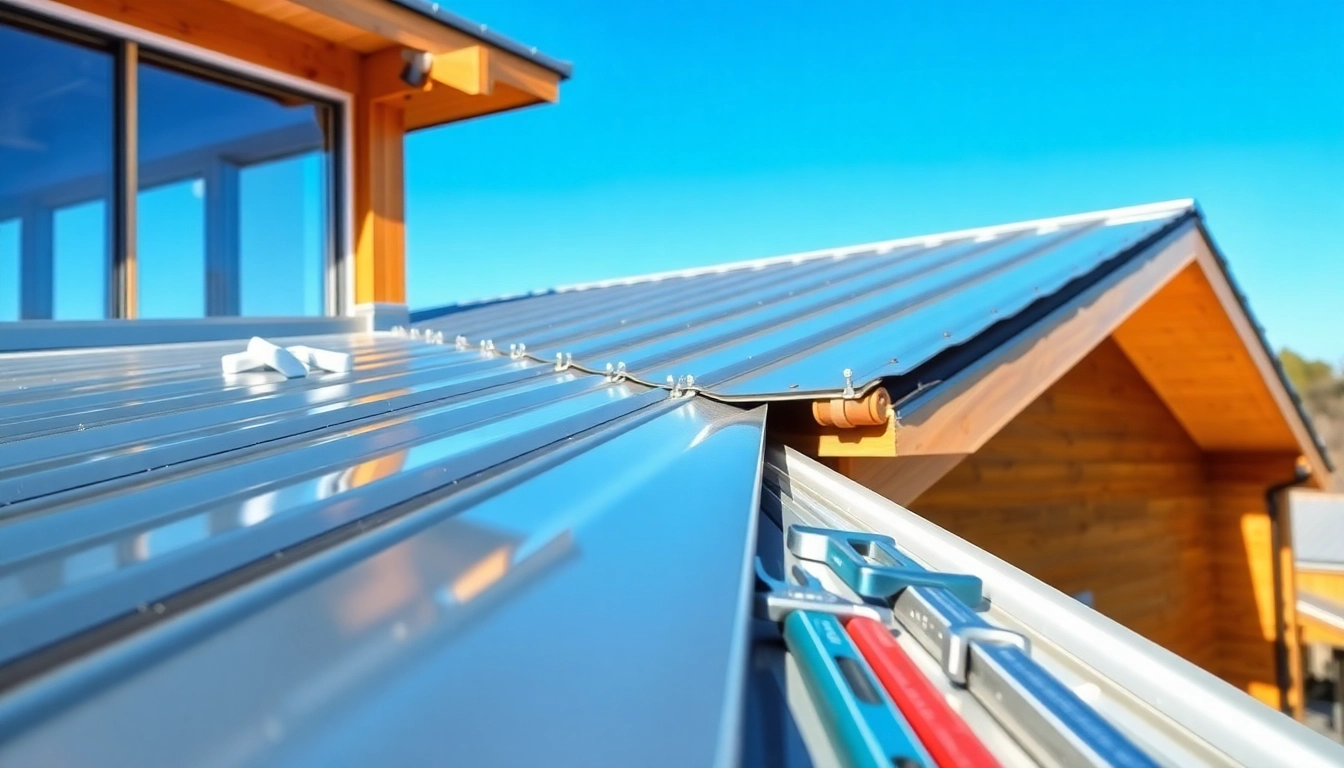
Metal roofing vancouver showcasing professional installation in bright, modern residential setting.

Expert Insights on Metal Roofing Vancouver for Your Home Renovation

Understanding Metal Roofing Vancouver

What is Metal Roofing?

Metal roofing refers to roofing systems made from metal pieces or tiles, which are known for their durability, longevity, and efficiency. Unlike traditional roofing materials, metal roofs are manufactured from various metals, including copper, aluminum, steel, and zinc, offering a versatile range of styles and finishes. In Vancouver, where the weather can be quite rainy and unpredictable, metal roofing has become an increasingly popular choice due to its resilience and protective characteristics. Homeowners can discover more about options by exploring metal roofing vancouver.

Benefits of Metal Roofing

Metal roofing presents a myriad of benefits that cater to both homeowners and commercial building owners. Firstly, metal roofs are remarkably durable, capable of lasting over 50 years with proper care. They are resistant to environmental elements such as fire, high winds, and heavy snowfall—making them particularly suited for Vancouver’s climate.

Moreover, metal roofing is energy-efficient. These roofs reflect solar radiant heat, which can reduce cooling costs by 10-25%. Additionally, many metal roofing products are made from recycled materials, making them an eco-friendly option. This sustainability factor is an essential consideration for many homeowners today.

Finally, metal roofs require minimal maintenance, which adds to their appeal. Occasional inspections and cleaning can keep them in pristine condition, unlike traditional roofing systems that may need replacements or frequent repairs.

Types of Metal Roofing Materials

When it comes to metal roofing, several materials are available, each offering unique benefits and aesthetics:

  • Steel: The most common metal roofing material, steel is known for its strength and resilience. It comes in galvanized or galvalume finishes, providing different levels of durability and pricing.
  • Aluminum: Lightweight and resistant to corrosion, aluminum is ideal for coastal areas but may be susceptible to denting from hail or heavy impact.
  • Copper: Renowned for its beauty and longevity, copper roofs develop a unique patina over time, which many homeowners find attractive. However, it is one of the most expensive options.
  • Zinc: Another material that ages beautifully, zinc is characterized by its self-healing properties, making it one of the most durable options available.

Choosing the Right Metal Roofing for Your Home

Factors to Consider

When selecting metal roofing, it’s crucial to consider several factors to ensure you choose the best fit for your home:

  • Climate: Metals like aluminum are best suited for coastal, salty environments, while steel is great for regions facing varied weather conditions.
  • Budget: Determine your budget early on, as this will narrow down your options. Steel roofs are generally more affordable, while materials like copper may exceed your planned spending.
  • Aesthetic Preference: Select a color and design that complements your home. Consider how the roof will look from the street and how it matches the architectural style of your residence.

Establishing Your Budget

A comprehensive budget is pivotal when considering metal roofing. The costs can vary significantly based on the type of metal, the complexity of your roof’s design, and installation labor. On average, homeowners can expect to pay between $7 to $12 per square foot for metal roofing in Vancouver. Being aware of ongoing maintenance costs is also important. While metal roofs can last for decades, it’s advisable to budget for periodic inspections and cleaning every few years.

Design Aesthetics

The design of your metal roof is not merely about functionality; it also contributes to your home’s overall aesthetics. Metal roofs come in various styles, including standing seam, corrugated panels, and shingles that mimic traditional roofing materials. Each choice carries its visual impact and can significantly enhance your home’s curb appeal. Color options range from bold primary colors to muted earthy tones.

Installation Process of Metal Roofing Vancouver

Preparing Your Home

Before installation can begin, several preparatory steps are necessary. A thorough inspection of your existing roof helps determine whether any repairs or replacements of the underlayment or decking are required. It’s essential to clear the work area, moving any outdoor items that may interfere with the installation process.

Additionally, it’s advisable to check local building codes and homeowner associations for any requirements or restrictions regarding metal roofing.

Steps in Installation

The installation of a metal roof involves several key steps:

  1. Removal of Old Roofing: If replacing an existing roof, the first step is to remove old shingles or roofing materials.
  2. Deck Preparation: Inspect and make necessary repairs to the roof deck. A solid base is vital for the longevity of the metal roof.
  3. Installation of Underlayment: A quality underlayment is installed to provide additional protection against moisture.
  4. Metal Panel Installation: The metal panels are then cut to size, fitted, and secured to the roof. This phase requires precision to avoid leaks.
  5. Finishing Touches: Once the panels are secure, flashing, trim, and additional components are installed to complete the project.

Safety Measures

Safety is a critical aspect of any roofing project. Homeowners should ensure the right safety measures are followed, particularly when working at heights. Key safety practices include:

  • Wearing appropriate safety gear such as helmets, harnesses, and non-slip footwear.
  • Using ladders and scaffolding properly to prevent falls.
  • Ensuring tools and equipment are in good condition and securely managed to avoid accidents.

Maintenance Tips for Metal Roofing

Regular Inspections

Regular inspections are essential to maintaining your metal roof. It is advisable to conduct a thorough check at least twice a year and after significant weather events like heavy storms or snowfall. Look for signs of rust, damage, and debris accumulation. Early detection of issues can save you from costly repairs and prolong the lifespan of your roof.

Cleaning Techniques

Maintaining the appearance and function of your metal roof involves cleaning. Leaves, branches, and other debris can trap moisture against the roof, leading to corrosion. Regular cleaning can be done with a soft-bristled broom or a pressure washer on a low setting to avoid damage. Always ensure safety precautions are taken when accessing the roof during cleaning.

Preventing Corrosion

Corrosion can be a significant issue for metal roofing, particularly in environments with high humidity, salt air, and heavy rainfall. To prevent corrosion, consider the following strategies:

  • Apply protective coatings that can enhance the metal’s resistance to moisture.
  • Ensure ventilation in your attic, as poor air circulation can lead to condensation on the roof’s underside.
  • Address any standing water issues promptly to reduce moisture exposure.

FAQs About Metal Roofing Vancouver

What is the lifespan of metal roofs?

Metal roofs can last over 50 years, depending on the material and regular maintenance. Proper care significantly extends their life.

Are metal roofs noisy during rain?

Metal roofs can be noisier than traditional roofs during heavy rainfall; however, insulation and underlayment can mitigate this sound.

Can I install metal roofing myself?

While DIY is possible, installing metal roofing requires skills and understanding of roofing systems. Hiring professionals often ensures better results.

How energy efficient is metal roofing?

Metal roofing reflects solar heat, decreasing cooling costs by up to 25%. This energy efficiency makes it environmentally friendly.

What colors options are available for metal roofing?

Metal roofs come in various colors, from bright hues to subdued tones, allowing for customization to match any architectural style or preference.

Heavy Industry and Engineering

Advancements in Heavy Industry: Engineering for the Future

Fundamentals of Heavy Industry

Heavy industry forms the backbone of modern economies, playing a pivotal role in the production and manufacturing of goods that are essential for daily life and technological advancement. This sector encompasses a broad range of activities, from the extraction of raw materials to the production of heavy machinery and infrastructure development. Understanding the fundamentals of heavy industry is crucial for professionals, students, and stakeholders involved in engineering and manufacturing.

Definition and Scope of Heavy Industry

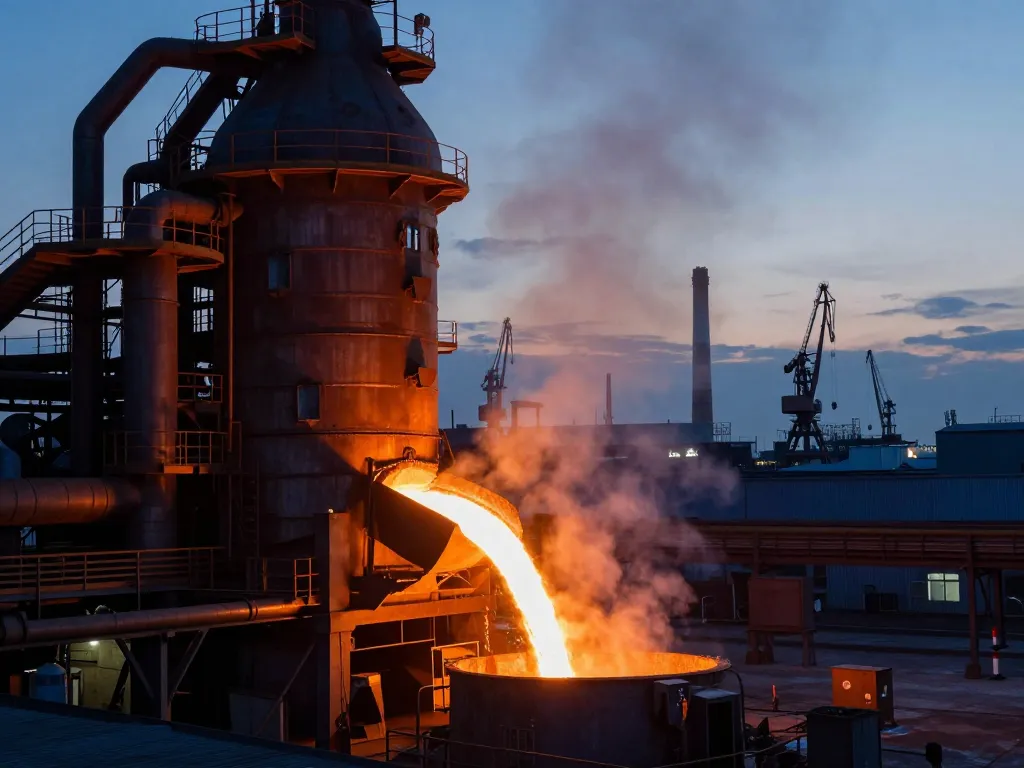
Heavy industry refers to the large-scale manufacturing processes that involve the transformation of raw materials into finished products, typically using significant amounts of energy and resources. This sector includes industries such as steel manufacturing, shipbuilding, automotive, aerospace, construction, and mining. The scope of heavy industry is considerable, impacting various sectors including defense, transportation, and energy. Heavy industry is characterized by:

  • High capital investment: Businesses in this sector often require substantial financial resources to establish and maintain operations.
  • Large-scale operations: Heavy industries typically produce goods in bulk, necessitating extensive facilities and workforce.
  • Complex supply chains: The nature of operations often involves intricate logistics and supply chains to manage raw materials and distribution.

Key Sectors and Their Contributions

Several sectors fall under the umbrella of heavy industry, each contributing uniquely to the economy. Below are a few key sectors and their contributions:

  • Steel Industry: Vital for construction and manufacturing, the steel industry contributes billions to the global GDP and employs millions worldwide. For example, in 2021, the global crude steel production was approximately 1.95 billion metric tons.
  • Shipbuilding: This sector is essential for global trade, as over 90% of the world’s goods are transported by sea. Major shipbuilding nations include South Korea, China, and Japan, which dominate the market.
  • Aerospace: With a focus on innovation and safety, the aerospace sector is crucial for transportation and defense, contributing significantly to national economies through job creation and technological advancements.
  • Mining: The extraction of minerals and resources is foundational for other industries, providing essential raw materials such as coal, copper, and iron ore.

Challenges Faced by Heavy Industry

Despite its contributions, heavy industry faces numerous challenges that can hinder growth and sustainability. Key challenges include:

  • Regulatory Compliance: Adhering to environmental and safety regulations can be complex and costly, impacting operational efficiency.
  • Technological Advancements: Keeping pace with rapid technological changes can be a challenge, requiring continuous investment in new technologies and training.
  • Labor Shortages: The sector often struggles with attracting and retaining skilled labor, exacerbated by an aging workforce.
  • Market Volatility: Fluctuations in demand and raw material prices can significantly affect profitability and operational stability.

Engineering Principles in Heavy Industry

The success of heavy industry is grounded in a variety of engineering principles. These principles govern the design, construction, and operation of industrial systems and structures, ensuring efficiency, safety, and sustainability.

Core Engineering Disciplines Applied

Heavy industry incorporates several core engineering disciplines, each contributing to the sector’s overall functionality:

  • Civil Engineering: Essential for infrastructure development, civil engineers design and construct buildings, bridges, and other structures that support industrial operations.
  • Mechanical Engineering: Focused on the design and manufacturing of machinery, mechanical engineers play a vital role in improving productivity and efficiency in manufacturing processes.
  • Chemical Engineering: Chemical engineers are crucial in processes involving the transformation of raw materials, particularly in industries such as petrochemicals and pharmaceuticals.
  • Electrical Engineering: This discipline ensures that machinery and equipment operate smoothly, involving power supply, automation, and control systems.

Materials Science and Its Importance

Materials science is a fundamental aspect of heavy industry, influencing the selection and application of materials used in manufacturing. Understanding the properties and behaviors of materials is essential for optimizing performance and durability. Key points include:

  • Material Selection: Engineers must choose materials that meet specific requirements for strength, weight, and corrosion resistance. For example, titanium alloys are favored in aerospace for their strength-to-weight ratio.
  • Innovation in Materials: Advances in composites and nanomaterials are driving innovation in heavy industry, allowing for the development of lighter and stronger products.
  • Testing and Quality Assurance: Rigorous testing of materials ensures safety and reliability, particularly in sectors like aerospace and automotive.

Design and Manufacturing Processes

The design and manufacturing processes in heavy industry are complex and multifaceted, often requiring collaboration across various engineering disciplines. Key aspects include:

  • Design for Manufacturability (DFM): This principle emphasizes designing products in a way that simplifies manufacturing processes, reducing costs and time.
  • Lean Manufacturing: Implementing lean principles helps minimize waste and maximize productivity, a crucial aspect for staying competitive in the heavy industry.
  • Advanced Manufacturing Techniques: Technologies such as 3D printing and additive manufacturing are transforming traditional processes, allowing for more efficient production and customization.

Advanced Technologies in Heavy Industry

The integration of advanced technologies is reshaping heavy industry, enhancing efficiency, safety, and overall productivity. These innovations are crucial for staying competitive in a rapidly evolving market.

The Role of Automation and Robotics

Automation and robotics play a transformative role in heavy industry by streamlining operations and minimizing human error. Examples include:

  • Automated Assembly Lines: Many automotive manufacturers, such as Toyota, use automated assembly lines to improve speed and consistency in production.
  • Robotic Welding: In industries like shipbuilding, robotic welding enhances precision and reduces labor costs, resulting in higher-quality products.
  • Predictive Maintenance: Automation technologies allow for real-time monitoring of machinery, predicting failures before they occur and minimizing downtime.

Integration of IoT in Heavy Engineering

The Internet of Things (IoT) is revolutionizing heavy engineering by enabling interconnectivity between machines, systems, and devices. This integration offers numerous benefits:

  • Real-Time Data Analytics: IoT devices collect and analyze data in real time, allowing for informed decision-making and enhanced operational efficiency.
  • Supply Chain Optimization: IoT facilitates improved tracking of materials and products throughout the supply chain, reducing delays and costs.
  • Remote Monitoring: Operators can monitor equipment remotely, enhancing safety and operational efficiency.

Impact of Artificial Intelligence on Operations

Artificial Intelligence (AI) is increasingly being adopted in heavy industry, offering capabilities that enhance operations and decision-making processes:

  • Data-Driven Insights: AI algorithms analyze vast datasets to identify trends, optimize processes, and predict outcomes, leading to improved efficiency.
  • Quality Control: AI can be used for automated inspection processes, ensuring that products meet quality standards without the need for extensive manual checks.
  • Energy Management: AI systems can optimize energy consumption in manufacturing processes, contributing to sustainability efforts.

Environmental Considerations and Sustainability

As global awareness of environmental issues increases, heavy industry faces pressure to adopt sustainable practices. Addressing environmental considerations is not only essential for compliance but also for enhancing corporate responsibility.

Regulations and Compliance in Heavy Industry

Heavy industry is subject to numerous regulations aimed at protecting the environment and ensuring workplace safety. Compliance with these regulations is crucial for operational success:

  • Environmental Protection Agency (EPA): In the United States, the EPA enforces regulations that limit emissions and discharges from industrial activities.
  • ISO Standards: Many companies pursue ISO certifications to demonstrate their commitment to environmental management, such as ISO 14001.
  • Health and Safety Regulations: Compliance with OSHA standards ensures worker safety and can mitigate risks associated with industrial operations.

Innovative Practices for Reducing Waste

Implementing innovative practices can significantly reduce waste in heavy industry, leading to cost savings and environmental benefits:

  • Circular Economy: Embracing a circular economy approach involves designing products for reuse and recycling, minimizing waste generation.
  • Lean Manufacturing: This methodology focuses on eliminating waste throughout the production process, from raw material acquisition to final delivery.
  • Waste-to-Energy Technologies: Utilizing waste materials to generate energy can reduce landfill use and provide an alternative energy source for operations.

Renewable Energy Applications in Heavy Engineering

Heavy industry is increasingly adopting renewable energy solutions to power operations and reduce carbon footprints. Key applications include:

  • Solar Energy: Many manufacturing facilities are installing solar panels to harness renewable energy, reducing reliance on fossil fuels.
  • Wind Energy: Wind farms are providing energy to heavy industrial operations, particularly in regions with favorable wind conditions.
  • Energy Storage Solutions: Advanced battery technologies are enabling industries to store excess renewable energy for use during peak demand periods.

Future Trends and Strategic Developments

The heavy industry landscape is continuously evolving, with emerging trends and strategic developments shaping its future. Staying ahead of these trends is essential for long-term success.

Emerging Markets and Global Impact

Emerging markets are becoming increasingly influential in heavy industry, with countries in Asia, Africa, and South America leading growth:

  • Infrastructure Development: Rapid urbanization in these regions is driving demand for infrastructure, resulting in increased investments in heavy industry.
  • Resource Availability: Emerging markets often have abundant natural resources, making them attractive locations for heavy industrial operations.
  • Global Trade Dynamics: As emerging economies grow, they will play a larger role in global supply chains, impacting pricing and availability of goods.

Investment in Research and Development

Investing in research and development (R&D) is critical for innovation and competitiveness in heavy industry. Key considerations include:

  • Technological Advancements: R&D efforts can lead to groundbreaking technologies that improve efficiency, safety, and sustainability.
  • Collaboration with Academia: Partnering with universities and research institutions can facilitate knowledge sharing and access to cutting-edge research.
  • Government Incentives: Many governments offer grants and incentives for R&D activities, encouraging industries to innovate.

Collaboration with Technology Startups

Collaboration with technology startups is becoming increasingly important in heavy industry, as these partnerships can lead to innovative solutions:

  • Access to Cutting-Edge Technologies: Startups often bring fresh perspectives and technologies that can enhance industrial processes.
  • Agility and Flexibility: Startups can respond quickly to market changes, making collaborations beneficial for large industrial firms seeking to adapt.
  • Joint Ventures: Forming joint ventures with startups can provide the resources needed to scale innovative solutions while sharing risks.