
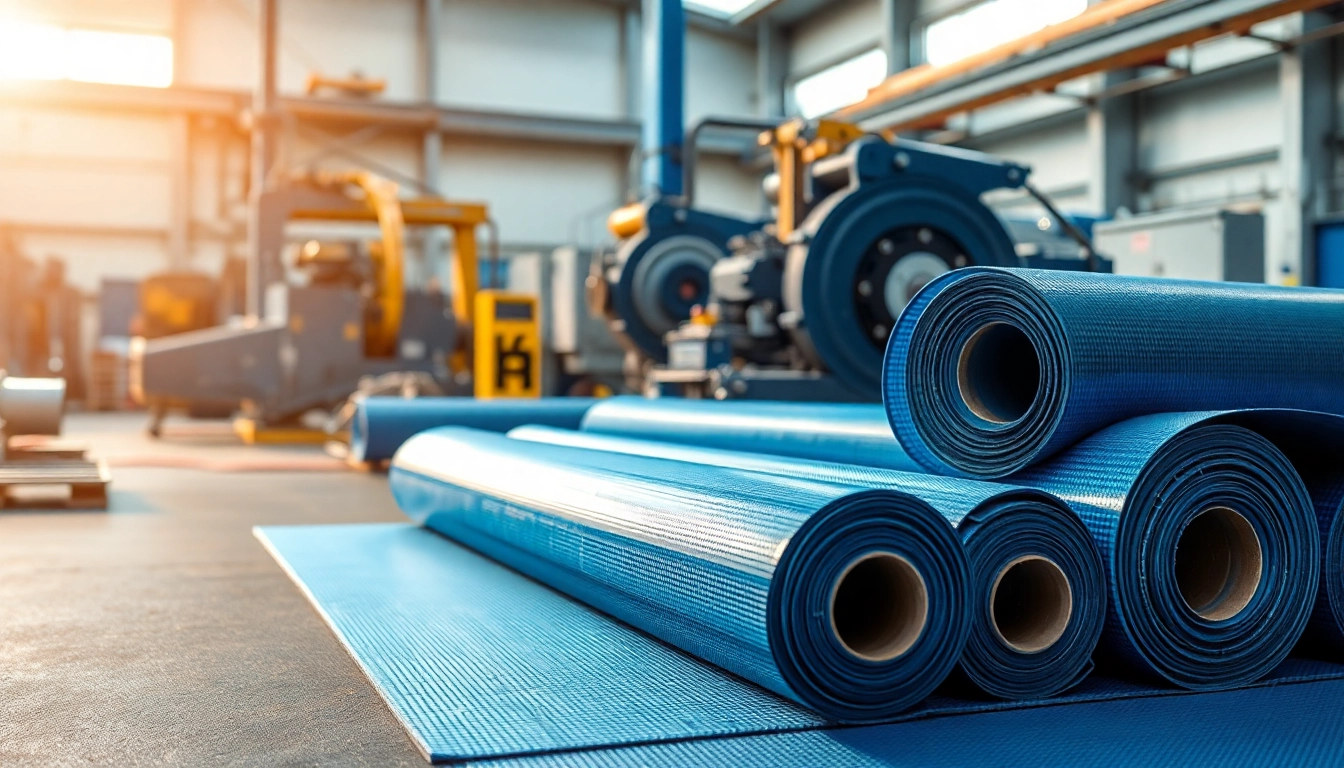
Understanding Fiberglass Mat
What is Fiberglass Mat?
Fiberglass mat is a non-woven material made from glass fibers that are randomly oriented. This structural material is utilized for its excellent mechanical properties and is commonly utilized in various applications, including construction, automotive, and marine industries. Characterized by its lightweight nature yet substantial strength, fiberglass mat is an ideal choice for reinforcement in composites and other structures. The intertwining glass fibers contribute to its strength and resilience, making it a versatile option for many industries. This material is particularly beneficial when combined with resin systems, providing enhanced durability and rigidity.
Types and Variations of Fiberglass Mat
Fiberglass mat comes in various types, each suited for different applications. The most common types include:
- Chopped Strand Mat (CSM): This type consists of randomly oriented glass fibers held together by a binder. It is primarily used for hand lay-up applications, providing good strength and surface finish.
- Continuous Filament Mat: This variant features continuous strands of fibers that allow for greater strength and durability. It is ideal for applications requiring higher tensile strength.
- Woven Roving Mat: Composed of continuous fibers woven into a fabric, it offers high strength and resistance to impact. This type is often used in advanced applications where high structural integrity is required.
- Mat with Polyester: Sometimes, fiberglass mat is reinforced with polyester for additional mechanical properties, enhancing flexibility and durability.
Understanding the different types of fiberglass mat allows manufacturers and builders to select the appropriate type based on their specific requirements.
Key Properties and Benefits
Fiberglass mat boasts numerous properties that make it an attractive material choice across various sectors. Some of the key benefits include:
- Lightweight: Despite its strength, fiberglass mat is significantly lighter than many traditional materials, making it easier to handle and install.
- High Strength-to-Weight Ratio: It delivers excellent mechanical properties, providing high tensile strength while being lightweight.
- Corrosion Resistance: Fiberglass mat does not corrode or degrade when exposed to water or chemicals, making it ideal for use in harsh environments.
- Thermal Insulation: It offers sound dampening and thermal insulation properties, creating comfortable environments.
- Versatile Applications: Its ability to bond well with various resins expands its usability in different industries.
One significant consideration while utilizing fiberglass mat is the method of application; choosing the right type of resin is essential to maximize its properties. For more information on selecting the right materials, refer to fiberglass mat.
Applications of Fiberglass Mat
Uses in Construction
In the construction industry, fiberglass mat is frequently used to enhance the structural integrity of various components. It is applied in:
- Roofing Systems: Fiberglass mat provides reinforcement and roofing solutions, helping to ensure the longevity of roofs and enhance their water resistance.
- Wall Panels: Used in composite wall panel systems, fiberglass mat helps reduce weight while maintaining durability and thermal properties.
- Flooring Systems: Fiberglass mat enhances composite flooring systems, making them more resilient and capable of withstanding heavy loads.
The use of fiberglass mat in construction can significantly reduce the need for maintenance, offering long-lasting performance and cost savings over time.
Role in Automotive Manufacturing
Fiberglass mat has gained prominent use in automotive manufacturing due to its lightweight characteristics and excellent mechanical properties. It is commonly utilized in:
- Body Panels: Lightweight and durable, fiberglass mat helps reduce the overall vehicle weight, leading to better fuel efficiency.
- Interior Components: Parts like dashboards and door panels benefit from the strength and light weight of fiberglass mat, contributing to vehicle performance.
- Composite Structures: In high-performance vehicles, fiberglass mat is often used with epoxy or polyester resins to create rigid yet lightweight components.
With compliance to stringent safety standards and performance metrics, fiberglass mat has transformed how vehicles are designed and manufactured.
Fiberglass Mat in Marine Industries
The marine industry extensively employs fiberglass mat for constructing boats, ships, and various marine structures. Fiberglass’s inherent resistance to saltwater and corrosion makes it ideal for marine applications. Common uses include:
- Hulls and Decks: Fiberglass mat is used in boat hulls and decks, providing a lightweight yet durable structure that can withstand harsh marine environments.
- Interior Components: From bulkheads to furniture, fiberglass mat contributes to the overall durability and functionality of interior marine components.
- Repair and Maintenance: Due to its ease of application, fiberglass mat is used in repairs to reinforce and extend the life of marine structures.
The versatility and effectiveness of fiberglass mat in marine applications enhance safety, performance, and longevity, making it a preferred material choice.
Installation and Best Practices
Preparation Before Installation
Proper installation of fiberglass mat is crucial to maximizing its performance and durability. Before beginning, it is important to consider:
- Surface Preparation: Ensure that the substrate is clean, dry, and free from contaminants like dust, grease, or moisture.
- Material Selection: Choose the right type of fiberglass mat and resin for your specific application, considering factors like load requirements and environmental conditions.
- Safety Precautions: Wear appropriate PPE (Personal Protective Equipment) such as gloves, masks, and goggles to prevent irritation from glass fibers and chemicals.
Taking the time to prepare adequately will set the foundation for a successful installation process.
Steps for Proper Installation
The steps for installing fiberglass mat effectively include:
- Cutting the Mat: Cut the fiberglass mat to the required size, ensuring a proper fit to avoid overlaps that may weaken the bond.
- Mixing the Resin: If using a two-part resin, mix according to the manufacturer’s instructions, ensuring a proper chemical reaction.
- Applying the Resin: Apply a layer of resin to the prepared surface using a brush or roller, ensuring even coverage.
- Laying the Mat: Carefully place the fiberglass mat onto the resin-coated surface and press it down, soaking it with additional resin.
- Wet-Out Process: Ensure the mat is fully saturated but not oversaturated. Remove air bubbles by using a roller.
- Curing: Allow the installation to cure as per the resin specification to ensure optimal bonding.
By following these steps, the fiberglass mat should be properly installed, ensuring longevity and performance in its application.
Maintenance Tips for Longevity
To ensure that fiberglass mat installations remain effective over time, consider the following maintenance tips:
- Regular Inspections: Conduct periodic checks for signs of wear, water damage, or delamination, addressing issues promptly to prevent larger problems.
- Cleaning: Clean surfaces with appropriate cleaners, avoiding harsh chemicals that might degrade the fiberglass matrix.
- Repairs: For minor damages, perform repairs as soon as possible, using compatible resin and mat to maintain structural integrity.
By implementing these maintenance strategies, the lifespan of fiberglass mat installations can be extended significantly.
Performance Metrics in Industry
Evaluating Strength and Durability
The success of fiberglass mat can be quantified through specific performance metrics. Structural strength tests, such as tensile and flexural strength assessments, provide insights into how well the mat can withstand various loads. Durability tests, which measure resistance to environmental factors like moisture, UV radiation, and temperature fluctuations, further determine the effectiveness of the material.
Cost-Effectiveness and Value Analysis
When considering the cost-effectiveness of fiberglass mat, it’s essential to analyze not only initial expenses but also long-term savings through reduced maintenance and repairs. The ability to decrease weight and improve fuel efficiency in automotive applications adds to its value proposition. Constructing structures with fiberglass mat can lead to longevity and lower total lifecycle costs.
Environmental Impact Considerations
As industries move towards sustainability, evaluating the environmental implications of fiberglass mat is crucial. While the manufacturing process may have a carbon footprint, fiberglass mat’s durability reduces the need for frequent replacements, indirectly lowering waste. Moreover, advancements in producing eco-friendly resins present opportunities for reducing overall environmental impacts.
Frequently Asked Questions
What is fiberglass mat used for?
Fiberglass mat is used for reinforcing structures in construction, automotive parts, and marine applications, offering strength and durability.
How do I install fiberglass mat?
To install fiberglass mat, prepare the surface, mix and apply appropriate resin, lay the mat, ensure saturation, and allow it to cure properly.
Is fiberglass mat environmentally friendly?
While the production of fiberglass mat has environmental impacts, its durability and potential use of eco-friendly resins make it a more sustainable option over time.
What are the storage requirements for fiberglass mat?
Store fiberglass mat in a cool, dry place away from direct sunlight and moisture to prevent degradation and ensure effectiveness.
How does fiberglass mat compare to other materials?
Fiberglass mat offers superior strength, lightweight properties, and resistance to corrosion compared to many traditional construction materials, making it highly effective.