
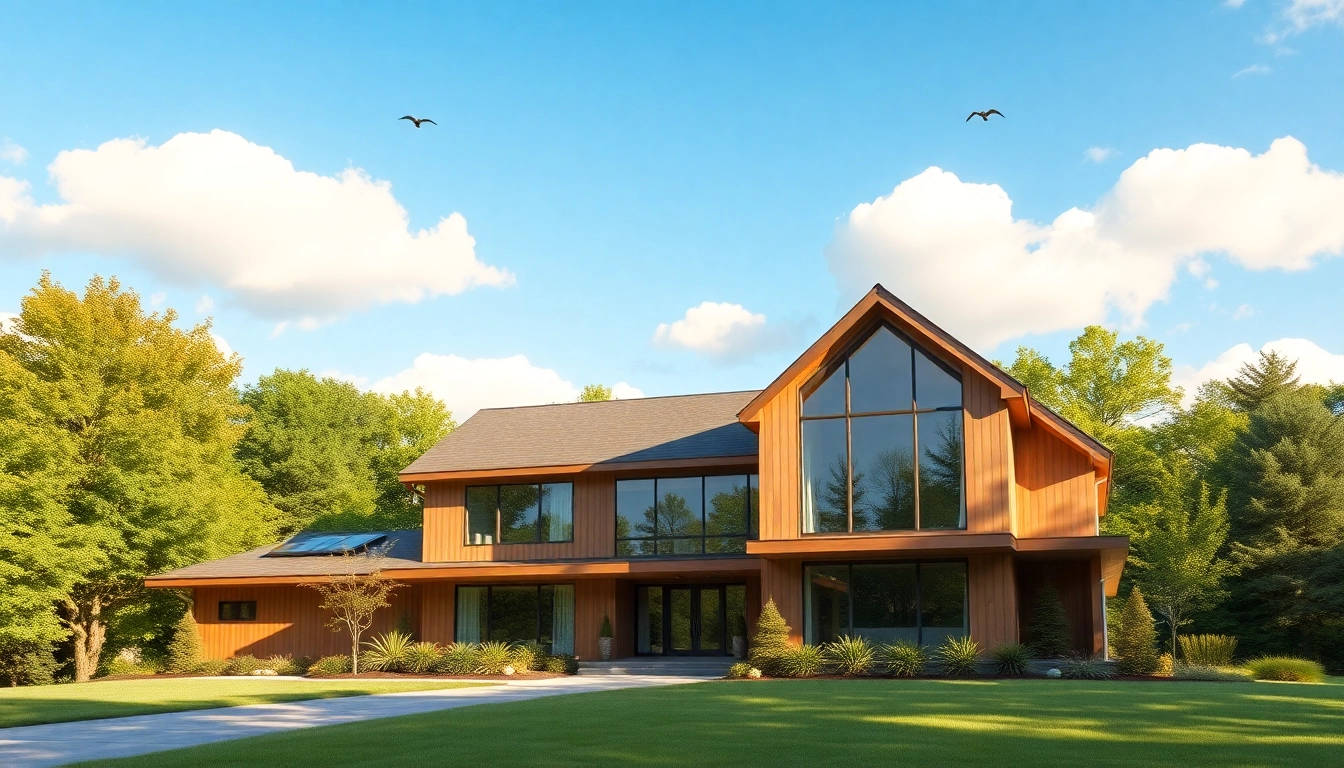
Understanding Massachusetts Residential Architecture
Defining Residential Architecture in Massachusetts
Residential architecture in Massachusetts reflects a rich tapestry of history, culture, and innovation. More than merely shelter, homes in the Bay State are an embodiment of the distinct New England character, showcasing styles ranging from Colonial to contemporary. This architectural diversity serves the unique needs of its inhabitants, influenced by historical contexts, local materials, and prevailing climatic conditions. As aspects of Massachusetts residential architecture continue to evolve, understanding its roots becomes essential for architects and homeowners alike.
Key Characteristics of Local Homes
Massachusetts boasts a variety of residential architectural styles, each with unique features. Traditional homes often feature steep roofs, brick exteriors, and intricate moulding, while contemporary designs embrace open spaces with energy-efficient materials. Key characteristics also include:
- Use of local materials, such as granite and wood, blending homes into their natural surroundings.
- Historical elements indicating the state’s past, such as Federal-style doorways and Victorian porches.
- Adaptive designs that cater to family needs, promoting connectivity and functionality.
Importance of Historical Context
The importance of historical context in Massachusetts residential architecture cannot be overstated. The state’s rich history influences its architectural narratives, with structures often telling the story of the era they were built in. For instance, Colonial architecture reveals the influence of early American settlers, while the more ornate Victorian homes signify a period of prosperity in the 19th century. By understanding these historical contexts, architects are not only preserving heritage but also enriching the modern narrative of home design.
Innovative Design Trends in Massachusetts Residential Architecture
Sustainable Practices in Modern Designs
As the demand for sustainable living rises, Massachusetts architects are embracing eco-friendly practices in residential designs. This includes incorporating energy-efficient systems, utilizing sustainable building materials, and employing passive solar design to maximize energy efficiency. Green roofs, rainwater harvesting systems, and organic landscaping are increasingly common, fostering a symbiosis between home and environment.
Incorporating Technology in Home Design
Modern Massachusetts residential architecture increasingly intertwines technology with design. Home automation systems, smart appliances, and surveillance technologies enhance convenience, safety, and energy efficiency. Notably, advances in home design applications allow personalized plans to be translated into tangible designs, ensuring the unique needs of occupants are met.
Adapting Styles to Local Climate
Massachusetts experiences a diverse climate, requiring homes to be designed with environmental resilience in mind. Architects are now focusing on elements such as insulated windows, durable materials suited for heavy snow, and ventilation strategies to combat summer heat. This adaptability not only ensures longevity but also enhances comfort for residents.
Creating Functional Spaces in Massachusetts Homes
Maximizing Space Efficiency
In an era where urban living often limits space, maximizing efficiency is crucial. Smart floor plans that incorporate multifunctional spaces, built-in storage, and open-concept designs are emerging trends in Massachusetts homes. These strategic choices allow homeowners to make the most out of every square foot, particularly in urban areas where real estate can be exceptionally expensive.
Importance of Natural Light and Ventilation
Natural light and ventilation play pivotal roles in the overall design philosophy of Massachusetts homes. Architects prioritize large windows, skylights, and open layouts to foster a sense of wellness through natural light, which contributes to mental health and reduces energy costs. Additionally, proper ventilation encourages airflow, enhancing indoor air quality, which is essential in densely populated areas.
Balancing Aesthetics and Functionality
Striking the right balance between aesthetics and functionality is a hallmark of successful residential architecture. Architects in Massachusetts are increasingly merging innovative design elements with practical solutions. Features such as built-in furnishings and flexible spaces allow homes to adapt to changing needs, ensuring form does not sacrifice function. This dynamic versatility makes spaces inviting while remaining practical for daily life.
Common Challenges in Massachusetts Residential Architecture
Addressing Zoning and Regulatory Issues
Navigating zoning and regulatory issues remains a significant challenge for architects and homeowners alike. Massachusetts has stringent building codes and zoning laws that impact the scale, design, and placement of residential projects. Awareness of local regulations and proactive communication with the Planning Board can streamline the approval process and mitigate delays.
Managing Budget Constraints
Budget constraints can significantly impact residential architecture projects. Architects must collaboratively engage with clients to establish clear scopes, prioritize must-haves, and explore cost-effective alternatives without compromising design integrity. Transparent budgeting and detailed project milestones can help manage expectations effectively and lead to smoother project completions.
Dealing with Weather-Related Concerns
Massachusetts is prone to extreme weather, from heavy snowfall to intense storms. Homes need to be designed to withstand such conditions, which presents unique challenges. Employing weather-resistant materials, designing for appropriate drainage, and ensuring solid insulation are critical measures. By considering these factors within the design phase, architects can enhance the resilience of residential structures.
Future Directions for Massachusetts Residential Architecture
Integrating Biophilic Design
Biophilic design, which emphasizes the connection between nature and living spaces, is becoming an architectural trend in Massachusetts. This approach incorporates elements such as natural materials, water features, and green walls, promoting relaxation and well-being. As more homeowners look to integrate nature into their environments, this trend is expected to shape residential architectural decisions.
Smart Home Technologies in New Constructions
The integration of smart home technologies is undeniably reshaping Massachusetts residential architecture. Features like automated lighting, climate control systems, and advanced security measures can transform the architectural landscape. Moving forward, architects will likely prioritize these technologies, ensuring they are seamlessly integrated into the design without compromising style and functionality.
Community-Centric Developments
In an era where the sense of community is paramount, future Massachusetts residential architecture will increasingly focus on community-centric developments. This model promotes shared spaces and resources, fostering connections among residents. As more prefer collaborative living arrangements, architects will design more communal areas, such as parks, community gardens, and shared facilities, enhancing the quality of life for all homeowners.
Frequently Asked Questions
What defines the architectural style of homes in Massachusetts?
Homes in Massachusetts showcase diverse styles influenced by history, including Colonial, Victorian, and modern designs, with local materials and climate considerations shaping their characteristics.
How important are sustainable practices in designing homes?
Sustainable practices are vital in home design, focusing on energy efficiency and eco-friendly materials to reduce environmental impact and enhance quality of life for residents.
What challenges do architects face in Massachusetts?
Architects in Massachusetts often contend with zoning regulations, budget constraints, and extreme weather, necessitating adaptive designs and proactive planning strategies.
What is the significance of natural light in home design?
Natural light is crucial in residential architecture as it improves mental health, reduces reliance on artificial lighting, and enhances the overall aesthetic of the space.
What is biophilic design and its benefits?
Biophilic design emphasizes integrating nature into living spaces, promoting well-being and relaxation through natural materials, greenery, and lighting, thereby improving quality of life.