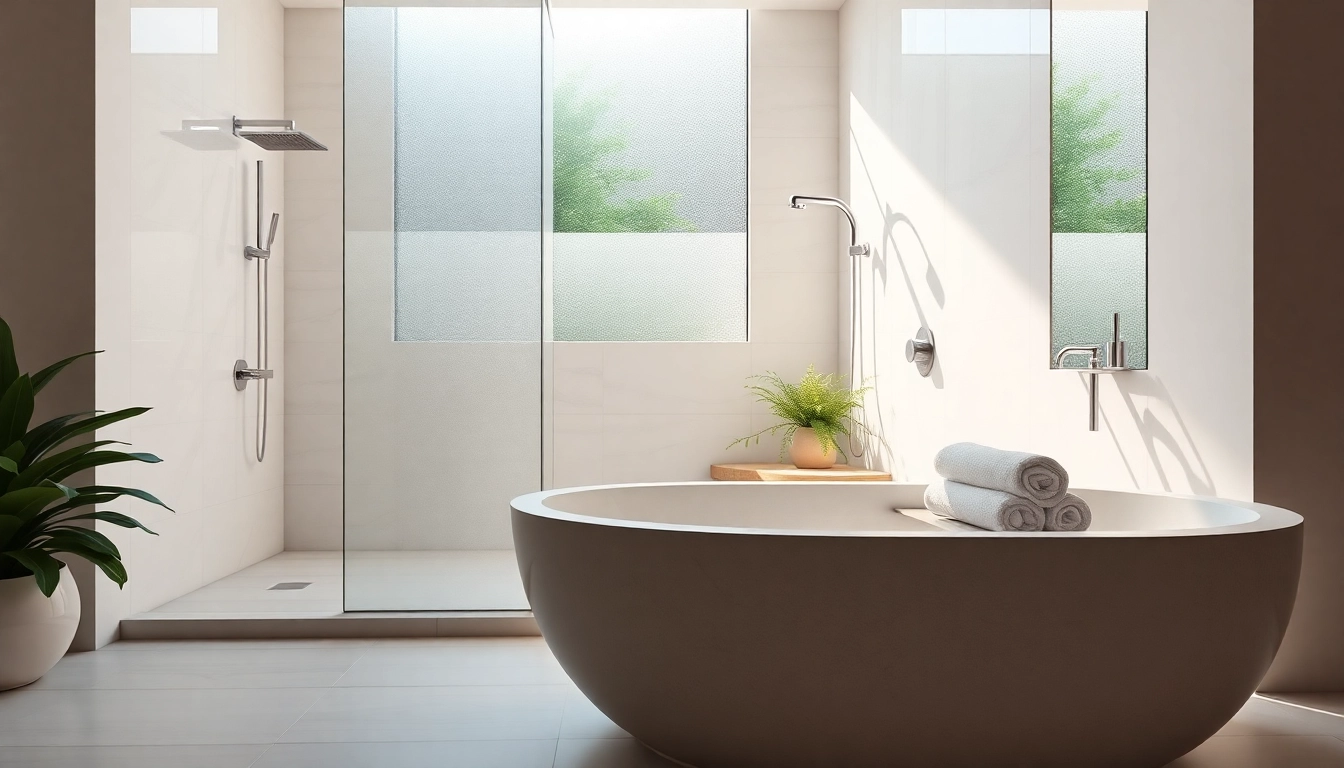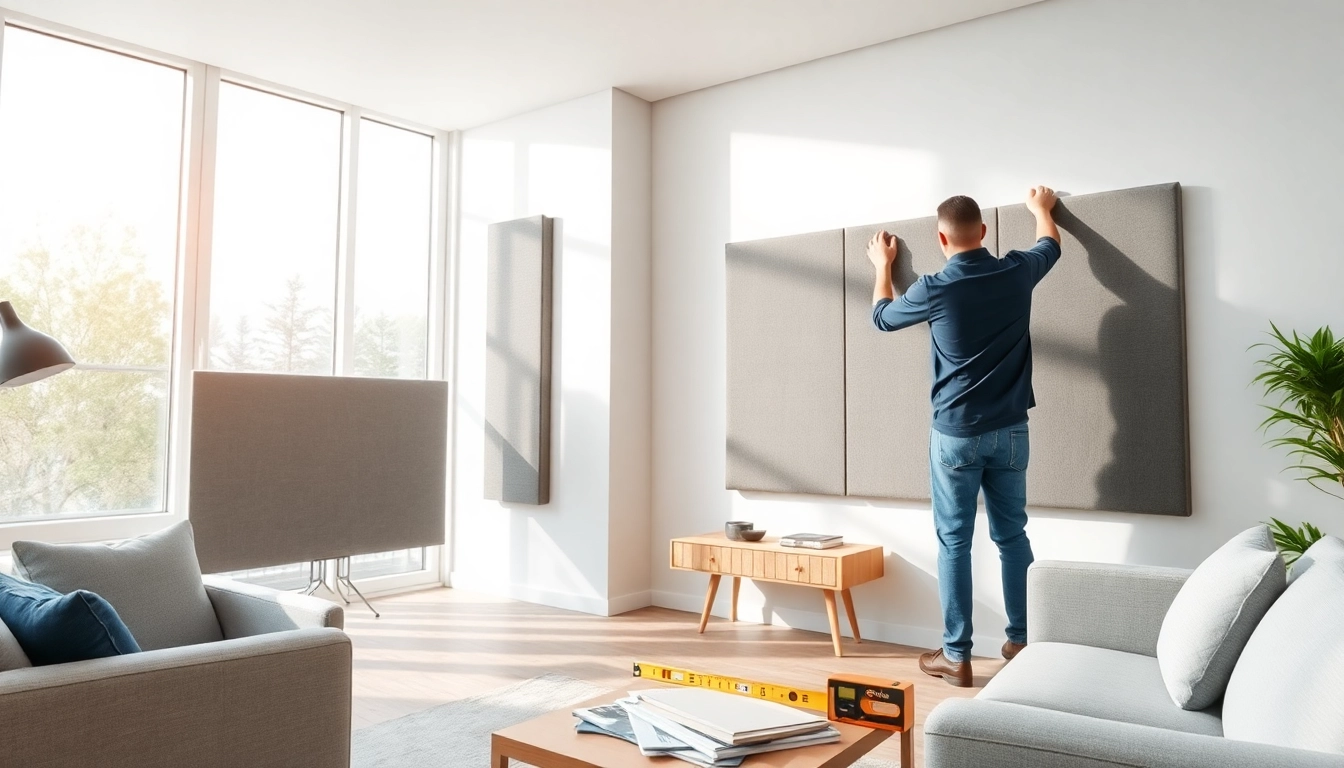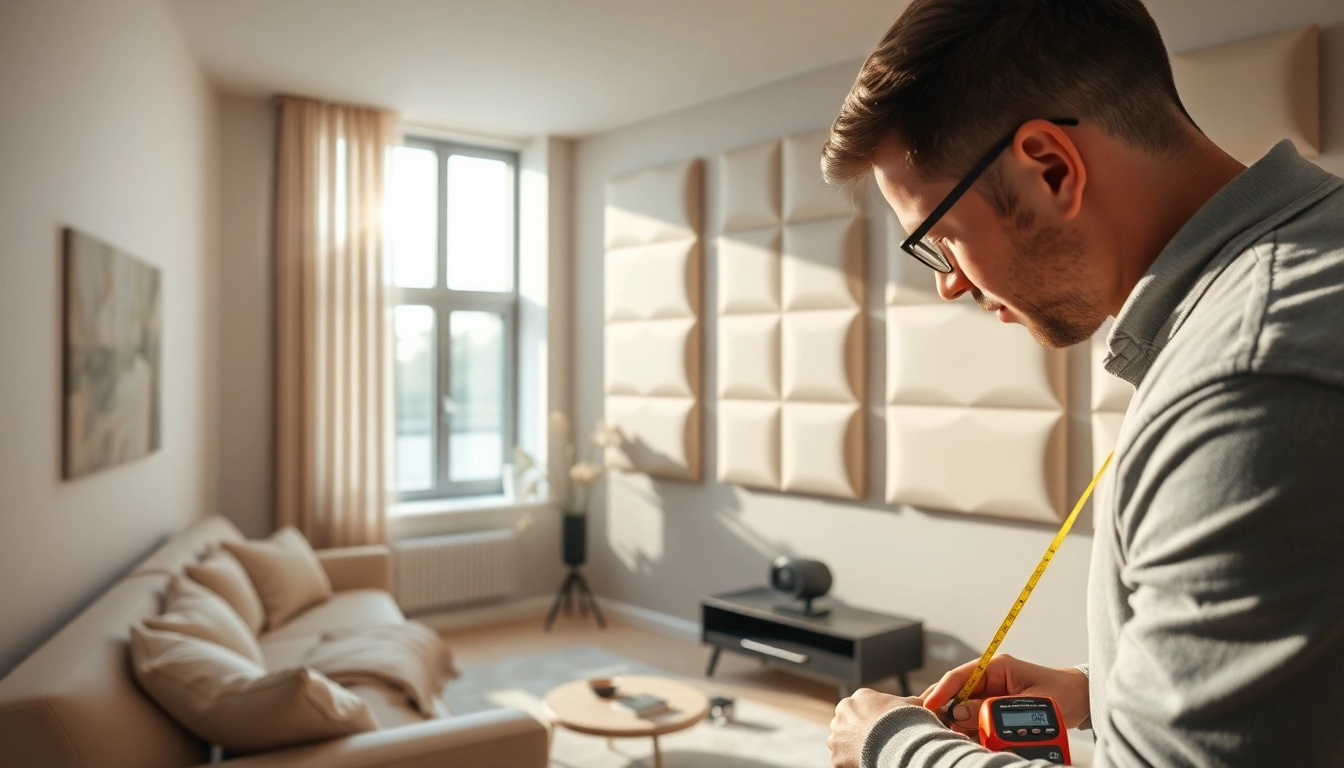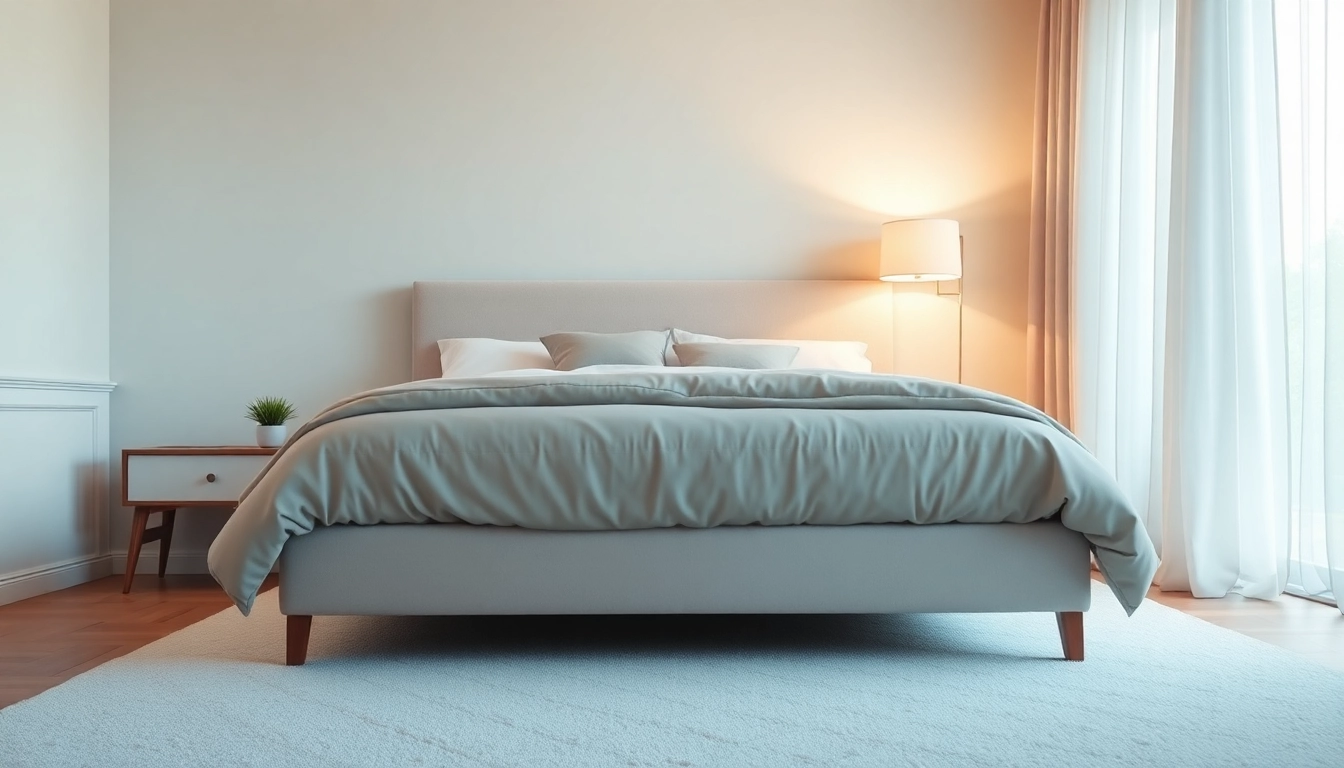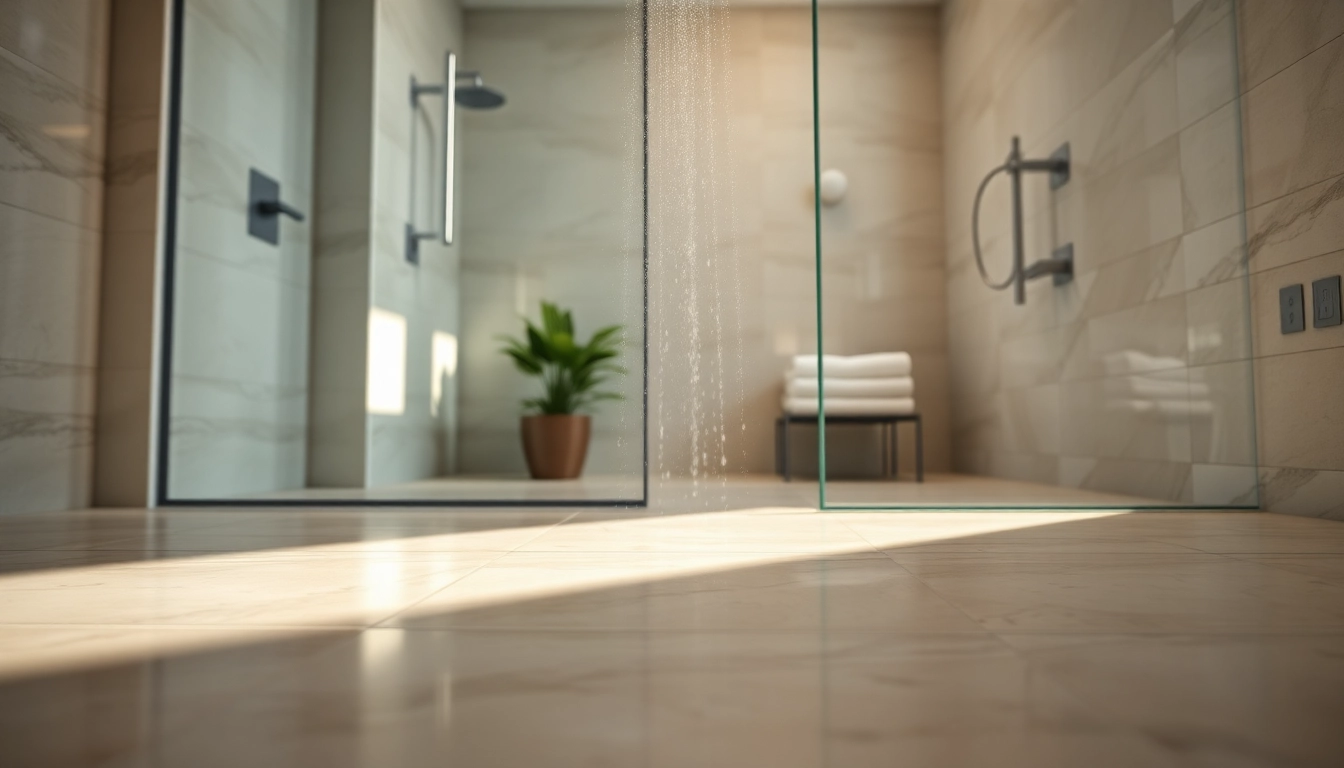
Showcase elegant showers au with modern fixtures in a serene, well-lit bathroom setting.

Transform Your Space with Elegant Showers AU: The Key to Luxury and Comfort

Understanding Elegant Showers AU

What Defines Elegant Showers AU?

Elegant showers AU encapsulate a unique aesthetic and functional appeal that transform the ordinary into the extraordinary. These showers are not merely utilitarian spaces; they are sanctuaries of relaxation, designed with an eye for beauty and a commitment to quality. With a blend of modern technology, exquisite materials, and artistic design, elegant showers elevate everyday routines into luxurious experiences. An elegant showers au platform allows consumers to access a range of options that marry functionality with aesthetic pleasure.

Key Features of Elegant Showers

Integrated smart technology, customizable designs, and high-quality materials are the hallmarks of elegant showers. Features such as rainfall shower heads, adjustable water pressure controls, and LED lighting are increasingly common. Additionally, elegant showers often incorporate non-slip surfaces, tempered glass walls, and ergonomic fixtures that enhance safety and ease of use, making them suitable for all ages and preferences.

Benefits of Choosing Elegant Showers AU

Choosing elegant showers AU brings numerous advantages. Primarily, they contribute to a greater sense of personal well-being, transforming the bathing experience into a luxurious retreat. Additionally, the emphasis on energy efficiency in many elegant shower designs can lead to substantial reductions in water usage and energy costs. Moreover, these showers can significantly increase the aesthetic value of a bathroom, making your home more inviting and increasing its market appeal.

Choosing the Perfect Shower Design

Styles and Trends in Elegant Showers AU

The world of bathroom design is continually evolving, with shower designs at the forefront of home improvement trends. Currently, minimalist aesthetics dominate, with sleek lines and unobtrusive fixtures that emphasize simplicity. Additionally, biophilic design—a concept that integrates natural elements and light—is gaining traction, incorporating plants, natural stone materials, and large glass enclosures to create airy, open spaces. Another popular trend is the use of bold colors and patterns, turning shower areas into statement pieces within the bathroom.

Considerations When Designing Your Shower

When planning an elegant shower, several factors should be taken into account. First, the size and layout of your bathroom will dictate your choices; space-saving designs are ideal for smaller areas. Additionally, think about the plumbing and drainage requirements that will influence your design options. Don’t forget to consider who will be using the shower; for families, accessibility features are essential, whereas luxury options may appeal to those seeking a more indulgent experience.

How to Select the Right Materials

The choice of materials can significantly affect the functionality and aesthetic appeal of your shower. Natural stone tiles, such as marble or granite, offer a luxurious finish but may require more upkeep than porcelain tiles. Another great option is tempered glass, which provides a sleek and modern look while ensuring safety. When selecting materials, prioritize durability, ease of maintenance, and moisture resistance to ensure a long-lasting design.

Installation and Maintenance Tips

Steps for Installing Your Elegant Showers AU

Installing an elegant shower requires careful planning and execution. Start by preparing the space: remove existing fixtures, clean the area thoroughly, and ensure plumbing is in good condition. Next, create a layout that maximizes functionality—consider the placement of controls and fixtures. Once the space is prepared, you can begin installing tiles and fixtures, ensuring all connections are secure and watertight. Finally, consider professional assistance if you are unfamiliar with plumbing or electrical work to guarantee a flawless finish.

Regular Maintenance Practices

To maintain the elegance of your shower, regular maintenance practices are essential. Clean surfaces with non-abrasive cleaners to prevent buildup and stains. Regularly check seals and grout lines for wear and tear, and replace them as needed to avoid leaks. A weekly quick clean can prevent the accumulation of soap scum and mildew, ensuring your shower retains its pristine appearance.

Common Problems and Solutions

Even the most elegant showers may encounter issues over time. Common problems include water leaks, clogged drains, and mold buildup. To address leaks, inspect fixtures and connections for damage or corrosion. For clogs, regularly clean drains and consider using a drain cover to catch debris. In the case of mold, using a mixture of vinegar and baking soda can effectively eliminate growth without harsh chemicals.

Elevating Your Bathroom Aesthetic

Color Schemes for Elegant Showers AU

Color plays a crucial role in setting the mood of your bathroom space. For a tranquil feel, soft, neutral palettes—such as whites, creams, and light blues—work exceptionally well. Conversely, bold accents like deep greens or rich ambers can create an invigorating atmosphere in the shower area. When choosing colors, consider how they complement the rest of the bathroom decor, ensuring a cohesive appearance.

Accessorizing Your Shower Space

Accessorizing your shower space is where you can infuse personal style into your elegant shower design. Items such as stylish shower mats, decorative shelving, and even potted plants can enhance the space dramatically. Additionally, consider incorporating smart storage solutions like built-in niches for toiletries to maintain that sleek, uncluttered look.

Creating an Inviting Atmosphere

To create an inviting atmosphere, focus on lighting, scent, and sound. Using soft, adjustable lighting can transform your shower into a calming retreat. Aromatic elements, such as scented candles or essential oil diffusers, can enhance the ambiance. Finally, consider installing a Bluetooth speaker or a waterproof sound system to enjoy soothing music or nature sounds while you bathe.

Maximizing Functionality in Elegant Showers AU

Smart Shower Technology to Consider

Integrating technology into your shower design can vastly enhance functionality. Smart showers now feature touch-screen controls for water temperature and flow, allowing users to set preferences with ease. Many smart models offer voice controls, programmable settings, and even water usage tracking to encourage conservation. These innovations not only provide convenience but also promote a more tailored shower experience.

Space-Saving Designs for Smaller Bathrooms

For smaller bathrooms, space-saving designs are paramount. Consider opting for corner showers or rounded models that maximize floor space. Pocket doors can also free up room while maintaining accessibility. Multi-functional fixtures, such as shower heads with adjustable settings, can elevate the shower experience without sacrificing space, ensuring both style and efficiency.

Enhancing Water Efficiency in Your Shower

Water efficiency is critical in modern designs, and many elegant showers incorporate features that reduce water usage. Look for low-flow showerheads that still provide a satisfying flow rate and consider installing a thermostatic mixing valve to maintain temperature consistency. Implementing water-efficient practices not only conserves resources but can also lead to significant savings on utility bills over time.

Frequently Asked Questions

What are the advantages of elegant showers AU?

Elegant showers AU enhance the aesthetic appeal of your bathroom, support well-being, and can significantly reduce water and energy costs through efficient designs.

How do I choose the right style for my shower?

Identify your bathroom’s overall style, and consider trends like minimalism or biophilic design. Choose materials and colors that complement existing decor for a cohesive look.

Can I install an elegant shower myself?

While DIY installation is possible, it’s advisable to consult or hire professionals for plumbing and electrical components, ensuring a proper and safe setup.

What maintenance is required for elegant showers?

Regular cleaning, checking seals, and prompt repairs for leaks or clogs improve longevity. Simple weekly maintenance protects the shower’s aesthetic and functionality.

Are there space-saving options for small bathrooms?

Yes, consider corner showers, rounded designs, and pocket doors that maximize floor space while offering elegance and functionality in smaller bathrooms.
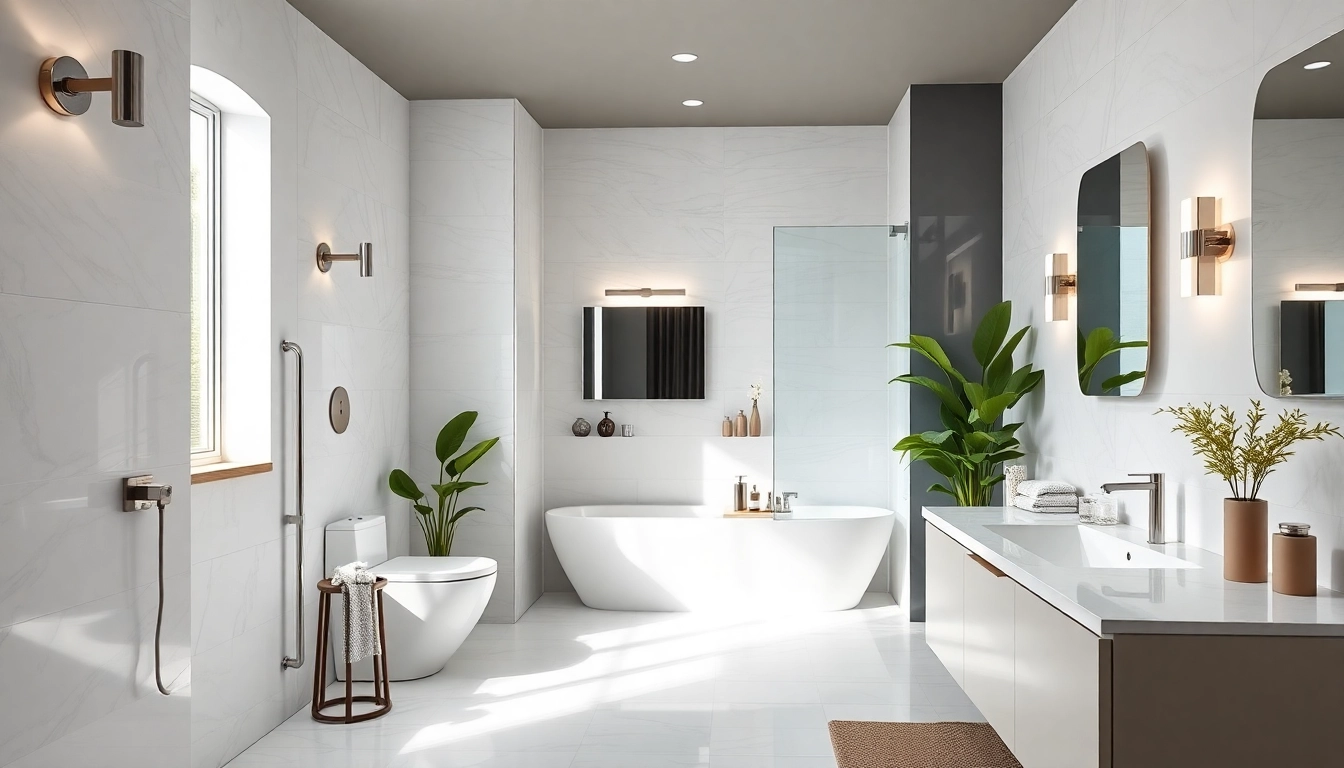
Optimale Badezimmerlösungen mit sonni sanitär Produkten für stilvolles Design.

Moderne Badezimmerlösungen mit sonni sanitär für jeden Anspruch

Einführung in sonni sanitär

Die Marke sonni sanitär steht für Qualität und Innovation im Bereich Sanitärprodukte. In einer Zeit, in der das Bad nicht nur ein funktionaler Raum, sondern auch eine Oase der Entspannung wird, bietet sonni sanitär Lösungen, die sowohl ästhetisch ansprechend als auch funktional sind. Die Verbindung von modernem Design und technischer Raffinesse ermöglicht es Nutzern, ihr Bad zu einem persönlichen Rückzugsort zu gestalten.

Geschichte der Marke

Die Geschichte von sonni sanitär ist geprägt von kontinuierlicher Innovation und dem Streben nach Exzellenz. Gegründet wurde die Marke vor mehreren Jahren mit dem Ziel, hochwertige Sanitärlösungen zu schaffen, die sowohl den Bedürfnissen der Endverbraucher als auch den Anforderungen des Marktes gerecht werden. Mit einem klaren Fokus auf Qualität und Design hat sich sonni sanitär schnell als ein vertrauenswürdiger Name etabliert.

Philosophie und Vision

Die Philosophie von sonni sanitär basiert auf dem Prinzip, dass Badezimmer nicht nur funktional, sondern auch stilvoll sein sollten. Die Vision der Marke ist es, durch innovative Lösungen und umweltfreundliche Materialien einen Beitrag zur Schaffung komfortabler und eleganter Wohnräume zu leisten. Die Produkte von sonni sanitär sollen die Benutzererfahrung verbessern und gleichzeitig Nachhaltigkeit fördern.

Produkte und Innovationen

sonni sanitär bietet ein breites Sortiment an Produkten, die von Waschbecken über Duschen bis hin zu Badewannen reichen. Die ständige Weiterentwicklung und Verbesserung dieser Produkte basiert auf den Rückmeldungen der Nutzer und den neuesten Trends im Design. Besonderes Augenmerk liegt auf der Benutzerfreundlichkeit und der Anpassungsfähigkeit der Produkte. Darüber hinaus setzt sonni sanitär auf die Integration smarter Technologien, die den Alltag der Nutzer erleichtern.

Qualitätsmerkmale von sonni sanitär Produkten

Materialwahl und Haltbarkeit

Ein zentrales Qualitätsmerkmal der Produkte von sonni sanitär ist die sorgfältige Auswahl der Materialien. Die Marke verwendet hochqualitative und langlebige Werkstoffe, die nicht nur ästhetisch ansprechend, sondern auch widerstandsfähig gegen Umwelteinflüsse sind. Dies garantiert eine hohe Lebensdauer der Produkte und minimiert die Notwendigkeit häufiger Ersatzkäufe.

Design und Ästhetik

Das Design der Produkte von sonni sanitär ist modern und zeitlos zugleich. Jedes Produkt wird sorgfältig entworfen, um sowohl Funktionalität als auch Ästhetik zu vereinen. Die Auswahl an Farben und Oberflächenfinish ermöglicht es den Nutzern, ihre Badezimmer individuell zu gestalten. Die Harmonie zwischen Form und Funktion ist ein Grundpfeiler der Designphilosophie von sonni sanitär.

Nutzerfreundlichkeit und Komfort

sonni sanitär legt großen Wert auf die Benutzerfreundlichkeit seiner Produkte. Durch ergonomische Gestaltung und intuitive Bedienung wird sichergestellt, dass die Produkte auch für ältere Menschen und Personen mit körperlichen Einschränkungen leicht zu nutzen sind. Komfort steht im Mittelpunkt jeder Produktentwicklung, was zu einem höheren Nutzererlebnis führt.

Nachhaltigkeit bei sonni sanitär

Umweltfreundliche Materialien

Die Produkte von sonni sanitär sind nicht nur funktional und ästhetisch, sondern auch umweltfreundlich. Die Marke setzt auf die Nutzung von nachhaltigen Materialien, die sowohl recyclingfähig als auch schonend zur Umwelt sind. Dieses Engagement für Nachhaltigkeit spiegelt sich in jedem Aspekt der Produktentwicklung wider und fördert eine verantwortungsvolle Nutzung von Ressourcen.

Wasser- und Energieeffizienz

Ein weiterer Aspekt der Nachhaltigkeit von sonni sanitär ist die Effizienz der Produkte. Viele der angebotenen Lösungen sind so konzipiert, dass sie Wasser und Energie sparen. Durch innovative Technologien werden Verbrauchswerte optimiert, was nicht nur der Umwelt zugutekommt, sondern auch die Betriebskosten für Nutzer senkt.

Langfristige Vorteile für den Nutzer

Letztlich bedeutet die Entscheidung für Produkte von sonni sanitär nicht nur eine Investition in Qualität, sondern auch in Nachhaltigkeit. Nutzer profitieren von langlebigen, effizienten Lösungen, die im Laufe der Zeit Kosten sparen und gleichzeitig einen positiven Einfluss auf die Umwelt haben. Die Kombination aus Funktionalität und sozialer Verantwortung macht sonni sanitär zu einer klugen Wahl für bewusste Verbraucher.

Anwendungsbereiche der sonni sanitär Produkte

Badezimmerlösungen für Wohnhäuser

Die Produkte von sonni sanitär sind ideal für den Einsatz in privaten Wohnhäusern. Ob Renovierung oder Neubau, die Vielfalt der Lösungen ermöglicht es, jedem Badezimmer eine persönliche Note zu verleihen. Individuelle Anpassungen und moderne Designs sorgen dafür, dass jeder Raum zu einem Wohlfühlort wird.

Kommerzielle Nutzung und Hotelbereiche

Auch in der kommerziellen Nutzung finden die Produkte von sonni sanitär großen Anklang. Hotels und öffentliche Einrichtungen profitieren von der robusten Qualität und dem ansprechenden Design. Hochwertige Badezimmerlösungen tragen wesentlich zur Gesamtzufriedenheit der Besucher bei und dienen als Aushängeschild für jede Einrichtung.

Spezielle Lösungen für Barrierefreiheit

Ein besonderes Anliegen von sonni sanitär ist die Bereitstellung von barrierefreien Lösungen. Diese Produkte sind speziell für Menschen mit eingeschränkter Mobilität entwickelt und bieten sowohl Sicherheit als auch Komfort. Durch die Berücksichtigung von Design-Aspekten und Funktionalität wird sichergestellt, dass alle Nutzer Zugang zu hochwertigen Sanitärlösungen haben.

Häufige Fragen zu sonni sanitär Produkten

Wie wählt man die richtigen sonni sanitär Produkte aus?

Um die richtigen Produkte auszuwählen, sollten Sie Ihre Bedürfnisse und den verfügbaren Platz berücksichtigen. Eine Beratung kann helfen, die besten Lösungen zu finden.

Kann man sonni sanitär Produkte selbst installieren?

Many sonni sanitär products are designed for easy installation, making DIY possible. However, professional installation is recommended for complex installations.

Wo kann ich sonni sanitär Produkte kaufen?

Die Produkte sind in verschiedenen Sanitärfachgeschäften und online erhältlich. Achten Sie auf autorisierte Händler für die beste Qualität und Beratung.

Gibt es Garantien auf sonni sanitär Produkte?

Ja, sonni sanitär bietet auf viele Produkte Garantien an, die Sie beim Kauf einsehen können. Dies gewährleistet die Qualität und Langlebigkeit der Produkte.

Wie pflege ich sonni sanitär Produkte optimal?

Eine regelmäßige Reinigung mit sanften Reinigungsmitteln und das Vermeiden von aggressiven Chemikalien sind wichtig, um die Langlebigkeit der Produkte sicherzustellen.

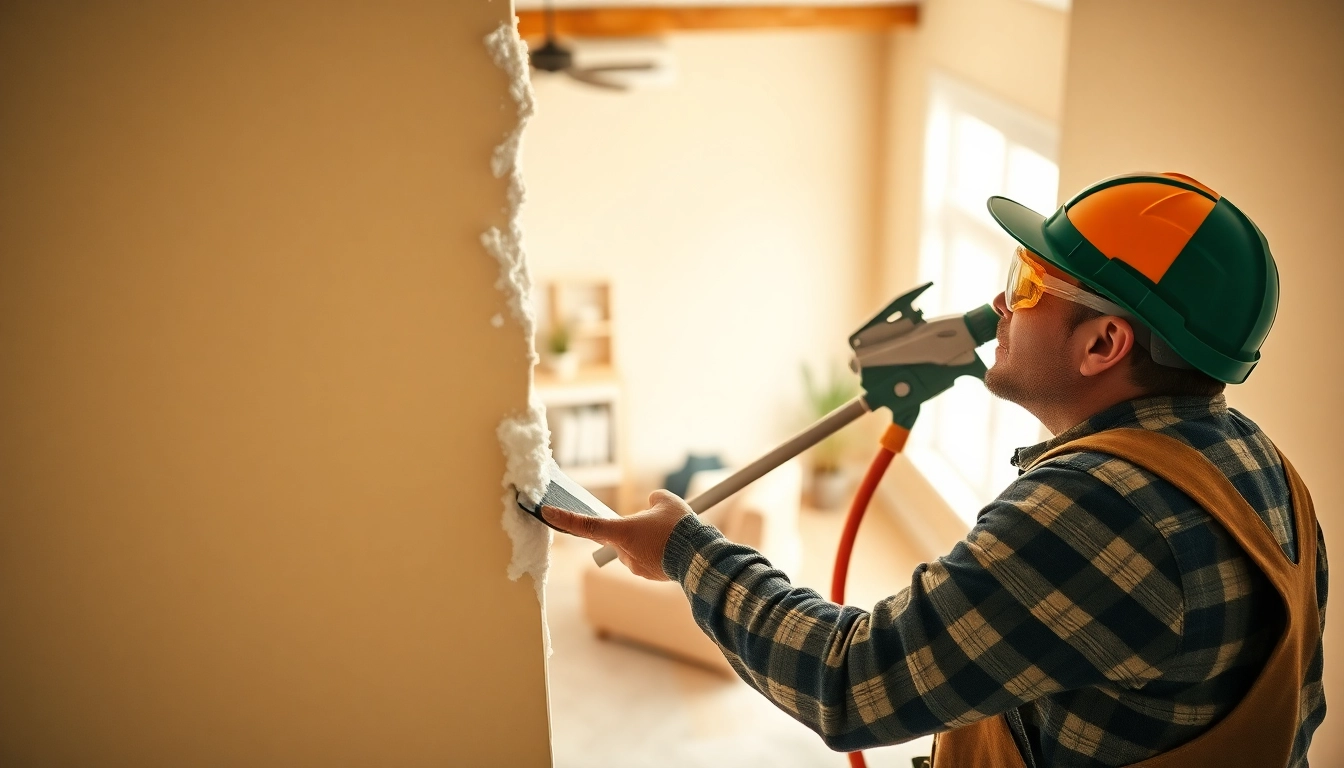
Efficient spray foam removal per m2 demonstrated by a professional in a well-lit home.

Understanding Spray Foam Removal per m2: Techniques, Benefits, and Costs

Introduction to Spray Foam Removal per m2

Spray foam insulation has grown popular due to its energy efficiency and excellent sealing properties. However, there may come a time when spray foam needs to be removed for various reasons. Understanding the nuances surrounding spray foam removal per m2 is crucial for homeowners and contractors alike.

What is Spray Foam Insulation?

Spray foam insulation is a type of foam that is applied as a liquid and expands into a solid form, creating an airtight seal. This insulation type is favored for its ability to fill voids and create a barrier against air leaks. It is typically made from two main components: isocyanate and polyol resin. When mixed, these components react chemically and expand to fill the desired space, providing exceptional thermal resistance.

Why You Might Need Removal

There are several reasons why spray foam insulation may need to be removed. Firstly, it could be due to improper installation leading to reduced efficiency. Secondly, over time, the material can degrade or suffer damage, necessitating replacement. Lastly, renovation projects may require removal of the insulation to address moisture issues, accommodate new construction methods, or allow for modern insulation types. Recognizing the need for removal is the first step in ensuring the longevity and effectiveness of your home’s insulation system.

Cost Considerations for Removal

The costs associated with the removal of spray foam insulation can vary widely based on various factors. Homeowners must take into account the area size, the thickness of the foam, the condition of the material, and the complexity of the removal process. Generally, when evaluating costs per m2, it is crucial to gather multiple assessments to ensure a fair pricing strategy.

Techniques for Efficient Spray Foam Removal

Tools and Equipment Required

To efficiently remove spray foam insulation, a variety of tools and equipment are required. Commonly used tools include:

  • Utility knives: Useful for cutting and scraping away the foam.
  • Putty knives: Employed for prying off foam remnants.
  • Heat guns: Can be used to soften the foam for easier removal.
  • Chemical solvents: Specialized solutions that break down the foam structure to facilitate removal.
  • Personal protective equipment (PPE): Essential for safety, including goggles, gloves, and masks.

Step-by-Step Removal Process

The removal process of spray foam insulation typically involves the following steps:

  1. Assessment: Evaluate the area to determine the extent of spray foam coverage and any potential hazards.
  2. Preparation: Clear the area of furniture and cover any surfaces that may be damaged during the removal process.
  3. Cutting the Foam: Use utility knives to cut away larger sections of foam. For tougher areas, heat guns can be applied to soften the material.
  4. Removing Residue: Scrape the remnants from surfaces with putty knives or other appropriate tools.
  5. Cleaning: After removal, thoroughly clean the area using vacuums or cloths to ensure all residues are eliminated.

Safety Precautions and Best Practices

Safety is paramount during the removal of spray foam insulation. Here are some best practices to follow:

  • Always wear protective gear to guard against inhalation of fumes and physical injury.
  • Ventilate the area adequately to prevent buildup of chemical vapors.
  • Consider hiring professionals if the foam was applied in large quantities, as they have specialized equipment and training.
  • Keep a fire extinguisher nearby when using heat tools, as foam can ignite if not handled carefully.

Factors Affecting Spray Foam Removal Costs

Material Types and Thickness

The specific type of spray foam installed and its thickness significantly influence the removal costs. Closed-cell foam, for instance, tends to be denser and more challenging to remove compared to open-cell foam. Understanding these distinctions can help homeowners estimate potential costs when comparing spray foam removal per m2.

Location and Accessibility

The location of the spray foam insulation also plays a vital role in determining the overall cost. Areas that are hard to access, such as attics or crawl spaces, require more labor and specialized equipment, thus increasing the price. Homeowners should assess these factors when seeking professional services.

Labor Costs and Time Estimates

Labor costs will vary based on the complexity of the job and local wage rates. Generally, skilled removal services charge by the hour, and quotes will also consider the estimated time for completing the task. Effective planning and clear communication with contractors can lead to more accurate estimates and timeliness in the project.

Alternative Options Post-Removal

Repair and Restoration Techniques

Once the spray foam has been removed, homeowners may find that repairs are necessary to restore surfaces or structural integrity. This may involve patching drywall, repairing insulation, or applying new vapor barriers. Using high-quality materials in these processes helps ensure long-lasting results.

Choosing New Insulation Options

After removal, it may be time to explore different insulation materials. Alternatives such as fiberglass batts, cellulose, or mineral wool each have unique advantages and insulating properties. Evaluate your home’s needs, energy efficiency goals, and budget to make informed decisions on new insulation types.

Environmental Considerations

When replacing insulation, consider the environmental impact of materials. Many eco-friendly options are available that improve energy efficiency while reducing the carbon footprint. Seek products with recycled content or those that meet environmental certifications to align with sustainable practices.

Frequently Asked Questions about Spray Foam Removal per m2

What are common methods for spray foam removal?

Common methods include mechanical scraping, chemical solvents, and specialized removal equipment tailored to break down foam properties.

How long does the removal process take?

Time varies based on the area size and condition of foam, typically ranging from a few hours to several days depending on complexity.

Is spray foam removal expensive?

Costs depend on removal scale, but prices per m2 are generally competitive compared to alternatives, such as fiberglass insulation.

Can I remove spray foam insulation myself?

While DIY is an option, professional removal is recommended due to safety concerns and efficiency, ensuring correct methods are employed.

What should I do after spray foam removal?

Post-removal, consider repairs, address any issues found, and explore new insulation options to enhance the building’s energy efficiency.

Professioneller Installateur bei der Arbeit mit sonni sanitär Produkten in modernem Badezimmer.

Innovative Lösungen für Ihr Badezimmer mit sonni sanitär

Einführung in sonni sanitär

Wenn es um die Gestaltung und Verbesserung Ihres Badezimmers geht, gewinnen innovative Produkte zunehmend an Bedeutung. Ein herausragender Anbieter in diesem Bereich ist sonni sanitär, bekannt für seine qualitativ hochwertigen Sanitärlösungen. Diese Produkte kombinieren modernste Technologie mit ästhetischem Design und bieten sowohl Funktionalität als auch Stil.

Was ist sonni sanitär?

sonni sanitär ist ein führender Anbieter von Sanitärlösungen, der sich auf die Entwicklung und den Vertrieb von hochwertigen Sanitärprodukten spezialisiert hat. Das Sortiment reicht von Badezimmerarmaturen über Toiletten bis hin zu Duschsystemen und bietet alles, was für die Gestaltung eines modernen, funktionalen Badezimmers nötig ist. Die Produkte zeichnen sich durch ihre Langlebigkeit, Benutzerfreundlichkeit und ansprechende Designs aus.

Die Vorteile von sonni sanitär Produkten

Die Produkte von sonni sanitär bieten eine Vielzahl von Vorteilen. Erstens wird bei der Herstellung auf die Verwendung umweltfreundlicher Materialien geachtet, die nicht nur nachhaltig, sondern auch langlebig sind. Zweitens tragen die innovativen Designs zur Verbesserung der Benutzererfahrung bei, indem sie Komfort und Benutzerfreundlichkeit fördern. Schließlich sind viele Produkte mit modernen Technologien ausgestattet, die den Wasserverbrauch reduzieren und somit auch die Betriebskosten senken.

Anwendungsbereiche von sonni sanitär

Die Anwendungsmöglichkeiten der Produkte von sonni sanitär sind vielfältig. Sie eignen sich hervorragend sowohl für private Badezimmer in Wohnhäusern als auch für gewerbliche Einrichtungen wie Hotels, Fitnessstudios und Restaurants. Dabei garantieren durchdachte Produktlösungen eine optimale Nutzung des verfügbaren Raumes und tragen zur Schaffung einer angenehmen Atmosphäre bei.

Produktpalette von sonni sanitär

Sanitäranlagen für jedes Badezimmer

Die Produktpalette von sonni sanitär umfasst alles, was Sie für die Ausstattung Ihres Badezimmers benötigen. Von eleganten Waschbecken über funktionale Toiletten bis hin zu hochwertigen Duschen und Badewannen – alles ist mit dem Ziel entworfen, Komfort und Stil zu vereinen. Jedes Produkt wird unter strengen Qualitätsstandards gefertigt, um sicherzustellen, dass es sowohl ästhetischen als auch funktionalen Ansprüchen gerecht wird.

Hochwertige Materialwahl

Eine der Kernkompetenzen von sonni sanitär ist die Auswahl der Materialien. Jedes Produkt wird aus robusten, langlebigen Materialien hergestellt, die hohe Ansprüche an Hygiene und Sicherheit erfüllen. Diese Materialien sind nicht nur optisch ansprechend, sondern auch leicht zu reinigen und zu warten, was die Lebensdauer der Produkte erheblich verlängert.

Trends in der Badezimmergestaltung

sonni sanitär folgt den neuesten Trends in der Badezimmergestaltung und bietet Produkte, die diese Trends aufnehmen. Der Fokus liegt auf minimalistischen Designs, natürlichen Materialien und nachhaltigen Lösungen. Smart Home Technologien werden ebenfalls vermehrt in die Produktlinien integriert, sodass Benutzer von einem modernen, zeitgemäßen Erlebnis profitieren.

Installation und Wartung

Tipps zur Installation von sonni sanitär Produkten

Die Installation von Produkten von sonni sanitär kann sowohl von Fachleuten als auch von Heimwerkern durchgeführt werden. Wichtig ist es, die jeweiligen Montageanleitungen genau zu befolgen. Zu den grundlegenden Tipps gehört das Sicherstellen des Wasserzulaufs und die Verwendung der richtigen Werkzeuge, um dauerhafte und wasserdichte Verbindungen zu gewährleisten.

Wartungsrichtlinien für Langlebigkeit

Um die Langlebigkeit der Produkte zu gewährleisten, ist eine regelmäßige Wartung unerlässlich. Dazu gehört die Reinigung mit geeigneten Reinigungsmitteln, die Vermeidung von scheuernden Materialien und die Überprüfung der Dichtungen und Armaturen auf Undichtigkeiten. Eine rechtzeitige Wartung kann helfen, größere Schäden zu vermeiden und die Leistung der Sanitäranlagen zu optimieren.

Häufige Fehler vermeiden

Bei der Installation oder Wartung von sonni sanitär Produkten gibt es einige häufige Fehler, die vermieden werden sollten. Dazu zählt das Ignorieren von Bedienungsanleitungen, unzureichende Abdichtungen und die Verwendung von ungeeigneten Reinigungsmitteln. Diese Fehler können nicht nur zu Funktionsstörungen führen, sondern auch die Lebensdauer der Produkte negativ beeinflussen.

Nachhaltigkeit bei sonni sanitär

Umweltfreundliche Materialien

Nachhaltigkeit hat bei sonni sanitär einen hohen Stellenwert. Alle Produkte bestehen aus umweltfreundlichen Materialien, die eine optimale Lebensdauer mit einem minimalen ökologischen Fußabdruck kombinieren. Dabei wird darauf geachtet, dass diese Materialien recycelbar sind und während der gesamten Lebensdauer der Sanitäranlagen nur geringe Auswirkungen auf die Umwelt haben.

Ressourcenschonende Produktion

Die Produktion der Produkte erfolgt in einem ressourcenschonenden Verfahren, das die Abfallmenge minimiert und den Einsatz von Wasser und Energie reduziert. sonni sanitär engagiert sich aktiv für nachhaltige Praktiken und verbessert kontinuierlich seine Produktionsabläufe, um die Umweltauswirkungen zu senken.

Langfristige Vorteile für die Umwelt

Durch den Einsatz nachhaltiger Materialien und ressourcenschonender Produktionsmethoden leistet sonni sanitär einen wertvollen Beitrag zur Umwelt. Kunden profitieren nicht nur von hochwertigen Produkten, sondern auch von den langfristigen ökologischen Vorteilen eines verantwortungsvollen Konsums. Dies schließt die Reduzierung des CO2-Ausstoßes sowie die Minimierung des Wasserverbrauchs ein.

Häufig gestellte Fragen zu sonni sanitär

Wie lange dauert die Installation von sonni sanitär Produkten?

Die Installationsdauer hängt von der Komplexität des Produkts ab. Einfache Armaturen können in weniger als einer Stunde installiert werden, während Komplettsets für Badezimmer mehrere Stunden in Anspruch nehmen können. Fachleute einer Sanitärfirma können auch in einem Tag für umfassendere Projekte sorgen.

Wie reinige ich sonni sanitär Produkte effektiv?

Verwenden Sie milde Reinigungsmittel und weiche Tücher, um die Oberfläche nicht zu zerkratzen. Vermeiden Sie scheuernde Substanzen oder aggressive Chemikalien. Eine regelmäßige Reinigung fördert die Hygiene sowie die langfristige Schönheit der Produkte.

Gibt es eine Garantie auf sonni sanitär Produkte?

Ja, sonni sanitär bietet in der Regel eine Garantie auf seine Produkte. Die genauen Bedingungen und die Dauer der Garantie können je nach Produkt variieren. Details finden Sie in den jeweiligen Produktinformationen.

Welche innovativen Features bietet sonni sanitär?

sonni sanitär integriert moderne Technologien wie wassersparende Systeme, berührungslose Steuerungen und smarte Heizungslösungen in seine Produkte. Diese Features verbessern nicht nur die Benutzererfahrung, sondern helfen auch, den Wasser- und Energieverbrauch zu minimieren.

Wo finde ich sonni sanitär Produkte zum Kauf?

sonni sanitär Produkte sind in vielen Fachgeschäften sowie online erhältlich. Sie können die offizielle Website besuchen oder lokale Einzelhändler kontaktieren, um eine Produktdemonstration anzufordern und die verschiedenen verfügbaren Optionen zu erkunden.

Experience elegant showers in a sophisticated bathroom setting with modern fixtures and natural ambiance.

Crafting Your Dream Space with Elegant Showers for Ultimate Comfort

Introduction to Elegant Showers

When it comes to transforming your bathroom into a stunning relaxation space, elegant showers stand at the forefront of design innovation and comfort. They don’t just serve a functional purpose; they embody luxury, style, and a touch of personal expression. From sleek contemporary designs to timeless classics, elegant showers offer a multitude of choices, allowing homeowners to create a space that perfectly fits their aesthetic and functional needs.

What Defines Elegant Showers

Elegant showers are characterized by their thoughtful design, premium materials, and the seamless integration of advanced technology. These showers go beyond mere functionality, designing an immersive experience. Elements such as rainfall showerheads, intricate tile work, and custom glass enclosures contribute to the sense of luxury. The goal is not just to shower but to indulge in a revitalizing and serene environment.

The Benefits of Elegant Showers

Elegant showers provide numerous advantages beyond aesthetics and luxury. They can enhance the value of your home, create a spa-like atmosphere, promote relaxation, and even improve water efficiency when designed with modern fixtures. Additionally, a well-designed shower can lead to fewer maintenance issues and more hygienic conditions through the use of non-porous materials and easy-to-clean surfaces.

Popular Trends in Shower Design

Shower design trends have evolved significantly in recent years, focusing on personalization, sustainability, and technology. Walk-in showers with zero-threshold entries have gained popularity, making them accessible and visually appealing. The incorporation of smart technology, such as programmable thermostats and water-saving fixtures, has also become a staple, allowing homeowners to balance luxury with functionality. Additionally, bold colors and patterns in tiles are being used to make a statement in elegant shower spaces.

Designing Your Elegant Shower Space

Choosing the Right Materials

The selection of materials is crucial in designing an elegant shower. Natural stone, ceramic, glass, and high-quality metals are popular choices that enhance durability and aesthetics. Natural stones like marble and granite evoke luxury and sophistication, while ceramics can offer a variety of colors and textures. Glass elements, whether in shower doors or walls, introduce transparency and light, creating a sense of openness.

Layout and Space Considerations

Efficient space utilization is vital in shower design. Considerations such as the size of your bathroom and the location of plumbing fixtures will dictate your layout. A well-planned layout will ensure that the shower space is not only visually stunning but also functional. Features like built-in seating, shelves for toiletries, and proper drainage systems can significantly enhance the usability of your elegant showers, making them enjoyable for every family member.

Incorporating Lighting Elements

Lighting is often an overlooked aspect of shower design. The right lighting can transform the atmosphere of your shower space dramatically. Soft ambient lighting creates a calming environment, while targeted task lighting can assist in practical uses, such as shaving or applying grooming products. Consider dimmers or color-changing LED lights to enhance the experience further, allowing you to customize the mood at any time.

Maintenance Tips for Elegant Showers

Cleaning Techniques for Longevity

Maintaining the elegance of your shower requires a commitment to regular cleaning and care. Utilize non-abrasive cleaners that are suitable for your specific shower materials to avoid damage. For glass surfaces, a mixture of vinegar and water can effectively remove soap scum while preventing streaks. Additionally, ensure to regularly remove any mold and mildew with a reliable disinfectant to maintain hygiene and presentation.

Common Maintenance Challenges

Common challenges for elegant showers include water stains, soap scum build-up, and mold accumulation. Addressing these challenges requires proactive cleaning routines and preventative measures. Using water softeners can reduce mineral deposits that lead to stains, while regular ventilation during and after showers helps prevent moisture-related issues. Establishing a maintenance schedule will aid in preserving the beauty of your shower.

Upgrading Features for Enhanced Enjoyment

As trends evolve and technology advances, consider upgrading features to enhance your shower experience. Features such as smart shower controls, adjustable showerheads, and built-in sound systems can significantly elevate the enjoyment of your elegant showers. By keeping up with the latest innovations, your shower can remain a luxurious and personal retreat.

Inspiration for Elegant Showers

Real-life Examples

Exploration of real-life elegant showers provides a wealth of inspiration. From minimalist designs with clean lines to opulent spa-like environments adorned with intricate tile work, the diversity caters to all tastes. Consider browsing design magazines, online platforms, and visiting showrooms to gather ideas that resonate with your vision. Create a mood board to visualize how various elements can come together to form your dream shower sanctuary.

Utilizing Color and Textures

Color and texture play a significant role in the overall feel of a shower. Neutral palettes often induce a sense of calmness, while bold colors can create excitement and dynamism. Experimenting with various textures, such as matte versus glossy finishes, can add depth to the design. Use contrasting materials to achieve intricate patterns, ensuring the result is both harmonious and engaging.

Combining Style with Functionality

Elegant showers must balance style and functionality. Consider how elements like storage solutions, ergonomic shower heads, and non-slip flooring contribute to the overall experience without sacrificing aesthetics. This synergy fosters an environment that is not only beautiful but also practical and safe, reflecting thoughtful design principles.

Frequently Asked Questions about Elegant Showers

What are the best materials for elegant showers?

The best materials include natural stones like marble, ceramics, glass, and durable metals. Each offers unique aesthetics and performance, enhancing the elegance of your shower.

How do I maintain my elegant shower?

Regular cleaning with non-abrasive cleaners, ensuring proper ventilation, and using water softeners can significantly prolong the beauty and functionality of your shower.

Can I customize my shower design?

Absolutely! Customizing your shower design with unique features, colors, and materials allows you to create a space that reflects your personal style and meets your needs.

What are the latest trends in shower fixtures?

Current trends include smart technology, rainfall showerheads, and minimalist designs. These innovations enhance both functionality and luxury in modern shower spaces.

Are elegant showers suitable for small bathrooms?

Yes, elegant showers can be designed for small spaces. Walk-in designs with glass enclosures or compact fixtures maximize usability without compromising style.

Visually striking colonial addition enhancing traditional home aesthetics.

Enhancing Your Home: The Benefits of a Colonial Addition

Understanding Colonial Additions

Defining Colonial Addition

A colonial addition refers to a structural extension added to a house that follows the aesthetic and architectural characteristics of traditional colonial homes. Colonial style, deeply rooted in American history, generally features symmetrical facades, gabled roofs, and a central entrance. When considering a colonial addition, homeowners often aim to preserve these time-honored traits while enhancing the functionality and space of their existing homes. By adhering to guidelines derived from centuries-old designs, a colonial addition can seamlessly blend into the existing structure, making it an appealing choice for homeowners seeking to expand their living area without compromising their home’s historical integrity. For those interested in these thoughtful construction techniques, exploring a colonial addition may be particularly beneficial.

Historical Context and Significance

The colonial architectural style emerged in America during the 17th and 18th centuries, influenced predominantly by European settlers from England, Spain, France, and the Netherlands. Each colonial region developed its own characteristics based on the local environment, materials available, and cultural influences. Understanding the historical context of colonial architecture helps homeowners appreciate the significance behind their colonial addition. This type of design is not merely a trend but a reflection of America’s diverse cultural heritage and adaptability through changing times. Many colonial homes have stood the test of time, symbolizing stability and tradition, making the addition of similar structures a smart investment not only in aesthetics but also in preserving cultural legacy.

Common Features and Design Elements

When designing a colonial addition, it is vital to incorporate elements that are synonymous with colonial architecture. Common features include:

  • Symmetry: Doors and windows are typically aligned, providing a balanced appearance.
  • Gabled Roofs: Steep, pitched roofs are a distinguishing feature, often adorned with dormer windows.
  • Traditional Materials: Brick, clapboard siding, and wood are commonly used, enhancing durability and authenticity.
  • Columned Entrances: The addition may include traditional columns or porticos to create an elegant entryway.
  • Shuttered Windows: Window shutters not only serve an aesthetic purpose but are practical for sunlight control.

By focusing on these features, homeowners can ensure that their colonial addition complements the existing structure while enhancing the overall beauty of the home.

Benefits of Adding a Colonial Addition

Increased Space and Functionality

The primary advantage of incorporating a colonial addition is the added space, which directly translates to improved functionality. Whether expanding the living room, adding more bedrooms, or creating a home office, the possibilities are endless. By effectively utilizing the additional space, families can create designated areas for various activities without feeling cramped. The colonial addition also allows for the design to be customized based on the homeowners’ evolving needs. For instance, multi-generational families might find themselves in need of an in-law suite, while those working from home can benefit from a dedicated office space, granting the necessary separation between work and personal life.

Enhanced Property Value

Investing in a colonial addition often leads to significant increases in property value. Homes with well-planned additions tend to attract higher appraisals due to the extra space and enhanced functionality they offer. Real estate markets consistently favor homes with historical characteristics that are tastefully updated; therefore, a well-executed colonial addition can benefit homeowners in the long run, whether they are looking to sell or rent their property. Moreover, contemporary homebuyers frequently seek out homes that combine historical charm with modern conveniences, making a colonial addition an appealing feature for potential buyers.

Architectural Cohesion

Architectural cohesion is crucial when adding to a home to maintain visual integrity and ensure that the extension appears as a natural part of the original structure. A well-planned colonial addition respects the existing style by mirroring its materials, dimensions, and design details. This dedication to cohesiveness not only honors the architectural style of the home but also enhances its aesthetic appeal. A successfully integrated addition can look as if it has always existed, creating an atmosphere of unity that can be appreciated over generations.

Designing Your Colonial Addition

Choosing the Right Materials

Material selection is one of the most critical aspects of designing a colonial addition. Authenticity is paramount, so choices should ideally include materials that match or closely resemble those of the original structure. Commonly used materials for colonial additions include:

  • Brick: A traditional choice that offers durability, insulation, and aesthetic appeal.
  • Wood: Used for framing and siding, wood can provide warmth and a classic look.
  • Natural Stone: Offering a rustic touch, stone can enhance the home’s exterior and create a timeless charm.
  • Slate or Shingle Roofing: Complements a colonial style and improves the longevity of the roof.

Homeowners should also consider modern building materials that can provide additional benefits, such as energy efficiency while still honoring the colonial style.

Incorporating Modern Elements

While it is vital to maintain a sense of historical integrity when designing a colonial addition, incorporating modern elements can greatly enhance usability and comfort. Homeowners might consider adding large, energy-efficient windows to maximize natural light while still adhering to harmonious designs. Additionally, open floor plans that promote fluidity between spaces can be integrated thoughtfully into traditional designs without losing their essence. Using modern heating and cooling systems can also increase energy efficiency while minimizing environmental impact. Balancing classic design with contemporary conveniences will appeal to a broad audience while preserving the colonial character.

Working with Professional Designers

Engaging with professional designers or architects who specialize in colonial architecture can substantially elevate the design process. Experienced professionals understand the intricacies of blending new construction with old and can provide valuable insights throughout the project. They can assist with structural integrity, ensuring that the foundation and framing are sound and that the overall design is cohesive. As homeowners navigate decisions about styles, materials, and space utilization, a professional’s expertise can be invaluable, ultimately leading to a successful and aesthetically pleasing colonial addition.

Integrating Colonial Additions with Landscaping

Creating Harmonious Outdoor Spaces

Landscaping plays a crucial role in the overall appeal of any home, especially when it comes to blending a colonial addition with its outdoor environment. Careful planning for outdoor areas can help extend the living space and create a seamless transition from indoors to outdoors. This can include installing patios, walkways, or gardens that complement the architectural features of the home. Incorporating symmetry in the landscaping design is essential, echoing the balance found in colonial architecture. Strategic placement of outdoor elements can enhance the home’s charm and create functional outdoor spaces for relaxation and entertainment.

Choosing Complementary Plants

Selecting the right plants is vital for harmonizing a colonial addition with the existing landscape. Traditional colonial gardens often feature an array of flowers, shrubs, and trees that reflect historical planting styles and local varieties. Homeowners might opt for perennials, boxwoods, or hydrangeas, balancing visual interest throughout the seasons. Utilizing native plants can also enhance sustainability while providing a garden that flourishes with minimal maintenance. Careful consideration of color schemes, sizes, and seasonal blooms can create visually cohesive and inviting outdoor spaces.

Setting Up Functional Outdoor Areas

Functional outdoor areas can significantly enhance the usability of a colonial addition. Creating defined areas for dining, lounging, or gardening not only elevates the outdoor experience but also reflects the traditional use of outdoor spaces in colonial times. Patios or terraces that extend from the addition can provide an excellent area for gatherings, while strategically placed benches or seating arrangements can encourage relaxation and reflection. Integrating features like fire pits or outdoor kitchens can also enhance functionality, embracing spaces that promote family interactions and social gatherings.

Frequently Asked Questions About Colonial Additions

What is the cost range for a colonial addition?

The cost can vary widely, ranging from $50,000 to $200,000 depending on size and materials.

How long does it take to build a colonial addition?

Construction timelines typically range from 3 to 6 months, depending on project complexity.

Are colonial additions suitable for all home styles?

Colonial additions work best on traditional homes but can complement various designs with thoughtful planning.

What are the best materials for a colonial addition?

Brick, wood, and natural stone are popular choices for maintaining historical authenticity.

Can I DIY my colonial addition?

While DIY is possible, consulting with professionals is advised for structural integrity and design coherence.

Experience whole house repiping services Tampa with skilled plumbers efficiently repairing pipes.

Reliable Whole House Repiping Services Tampa for Sustainable Home Solutions

Understanding Whole House Repiping

What is Whole House Repiping?

Whole house repiping refers to the extensive process of replacing all the existing pipes within a residential property with new piping. This essential component of home maintenance ensures that water supply systems function efficiently and effectively. Over time, pipes can corrode, falter, and develop leaks, leading to low water pressure, water quality issues, and costly damage. By investing in whole house repiping services Tampa, homeowners can guarantee a secure and healthy water delivery system.

Signs You Need Whole House Repiping

Identifying the need for repiping is crucial for maintaining the integrity of your home’s plumbing system. Here are some significant signs that can indicate the necessity for a whole house repipe:

  • Frequent Leaks: If you experience recurring leaks and repairs, it’s a potential sign that your pipes are deteriorating.
  • Low Water Pressure: Significant drops in water pressure can indicate that plumbing blockages or corrosion may be present within the pipes.
  • Discolored or Smelly Water: Rusty or foul-smelling water points to problems with the pipes, which may affect both water quality and safety.
  • Age of the Pipes: If your home has older metal piping, common in homes built several decades ago, the likelihood of requiring repiping increases.
  • Unusual Noises: Sounds like banging, gurgling, or vibrations from your pipes can indicate issues that are best assessed through repiping.

Benefits of Whole House Repiping Services Tampa

Opting for whole house repiping can provide numerous advantages, enhancing not only the plumbing system but also the overall value of your home:

  • Improved Water Quality: New pipes eliminate contaminants and improve the overall quality and taste of your water.
  • Increased Home Value: A home with updated plumbing is typically valued higher, making it more attractive to potential buyers.
  • Reduced Repair Costs: Investing in repiping minimizes the need for frequent repairs and maintenance, saving you money in the long run.
  • Enhanced System Efficiency: Updated piping systems enhance overall efficiency and can reduce water bills by preventing leaks.
  • Peace of Mind: With new pipes, you can rest assured that your plumbing system is safe, reliable, and free of major issues for years to come.

Selecting the Right Materials

Copper vs. PEX: Pros and Cons

When it comes to selecting materials for repiping, homeowners often face a choice between copper and PEX (cross-linked polyethylene). Each of these materials has its own set of advantages and disadvantages:

  • Copper:
    • Durability: Copper pipes are known for their longevity and resistance to corrosion.
    • Health Safety: There are no health concerns linked to copper, making it a safe choice for drinking water.
    • Aesthetic Appeal: Copper has a natural, appealing look that many homeowners appreciate.
  • PEX:
    • Flexibility: PEX can bend around corners, making installation easier in tight spaces.
    • Cost-Effectiveness: PEX tends to be less expensive than copper, both in material cost and installation.
    • Resistance to Scale and Chlorine: PEX is resistant to corrosion and doesn’t develop scale buildup.

Evaluating Cost-Effectiveness of Materials

When evaluating the cost-effectiveness of repiping materials, it is essential to consider both upfront costs and long-term expenses. While copper may have a higher initial price, its durability can lead to lower maintenance and repair costs over time. On the other hand, PEX is often more affordable upfront, making it an attractive option for budget-conscious homeowners. Therefore, assessing your long-term plans for the home along with your current budget will help in making a sound choice.

Environmental Impact Considerations

In today’s eco-conscious world, selecting the right piping material also involves understanding environmental implications. Copper pipes are recyclable and made from a natural resource, contributing positively to sustainability efforts. PEX, while not as easily recyclable, has a lower carbon footprint during production. Homeowners should weigh these factors against their environmental priorities when deciding on materials for their repiping project.

Choosing a Trusted Plumbing Service

What to Look for in Plumbing Providers

Selecting the right plumbing service for your whole house repiping is critical for the project’s success. Consider the following aspects:

  • Experience: A provider with extensive experience in repiping projects will be more adept at navigating potential challenges.
  • Reputation: Look for reviews and testimonials to ensure the plumbing service has a strong reputation in the community.
  • Services Offered: Comprehensive services that cover all aspects of plumbing will often be more beneficial than a company that specializes in only one area.
  • Transparency: A trustworthy service will communicate openly about their pricing, timelines, and project scope.

Verifying Credentials and Experience

Before hiring a plumbing service, it’s essential to verify their credentials. Ensure that they have a valid license and insurance to protect yourself as a homeowner. Additionally, look for any certifications from recognized industry associations, which can validate their expertise and commitment to quality work.

Customer Reviews and Recommendations

Reading customer reviews and seeking recommendations from friends or family can provide valuable insight into the reliability of a plumbing service. Look for consistent positive feedback regarding their professionalism, timeliness, and quality of work, which can aid in making an informed decision.

The Repiping Process Explained

Initial Assessment and Inspection

The first step in any repiping project is conducting a thorough inspection of your current plumbing system. A qualified plumber will evaluate the existing pipes, identify any problem areas, and determine the full scope of the project. This assessment is crucial to understanding what materials are necessary and how long the project will take.

Planning the Repiping Project

Once the assessment is complete, the plumbing service will work with you to plan the repiping project. This includes selecting materials, establishing a timeline, and outlining the costs involved. Clear communication is essential during this phase to ensure that all your needs and concerns are addressed.

Post-Repiping Quality Checks

After the repiping is complete, quality checks are critical to ensure everything is functioning as it should. This includes testing for leaks, checking water pressure, and evaluating the overall operation of your plumbing system. A reputable plumber will also provide guidance on how to maintain your new system for optimal performance.

FAQs About Whole House Repiping Services Tampa

How long does whole house repiping take?

The duration typically ranges from one to three days, depending on the home’s size and complexity of the plumbing.

Is whole house repiping covered by insurance?

It may be covered, but this often depends on your insurance policy specifics. Always check with your provider.

What are the signs of pipe failure?

Signs include frequent leaks, low water pressure, discoloration in water, and unusual noises from pipes.

How often should repiping be done?

Repiping is usually recommended every 20-50 years, depending on the pipe materials and local water conditions.

Will repiping improve water quality?

Yes, repiping can greatly enhance water quality by eliminating corrosion and buildup from old pipes.

Soundproofing installation technique in a modern office environment, highlighting acoustic panel application.

Effective Soundproofing Techniques for a Peaceful Living Space

Understanding Soundproofing

What is Soundproofing?

Soundproofing is the process of reducing or blocking noise from entering or leaving a space. It involves a variety of techniques and materials designed to diminish sound waves’ impact. Whether you’re aiming to create a tranquil home environment, a focused workspace, or a serene studio, understanding soundproofing is essential. At its core, soundproofing focuses on controlling vibrations through insulation, mass, and sound-absorbing materials. Many homes and commercial establishments opt for Soundproofing to enhance comfort and functionality.

The Importance of Soundproofing

Soundproofing holds significant importance in today’s noisy world. Excessive noise can lead to increased stress levels, reduced productivity, and decreased quality of life. For businesses, unwanted noise can disrupt operations and affect clients’ experiences. Installing soundproofing solutions contributes to a healthier environment and promotes undisrupted focus. The impact also extends to property value, as homes with robust soundproofing tend to be more appealing to potential buyers.

Common Soundproofing Materials

There are various materials that are effective for soundproofing. Below are a few commonly used options:

  • Mass Loaded Vinyl (MLV): A heavy, flexible material that adds significant mass, reducing sound transmission effectively.
  • Acoustic Panels: Use special foam or fabric to absorb sound, typically found in music studios or theaters.
  • Soundproof Drywall: Contains additional layers or materials that improve its sound-dampening capabilities.
  • Insulation Materials: Fiberglass or cellulose insulation can help dampen sound and insulate against external noise.
  • Green Glue: A noise-proofing compound applied between two sheets of drywall to enhance sound isolation.

Types of Soundproofing Solutions

Mass Loaded Vinyl

Mass Loaded Vinyl (MLV) is a popular choice for soundproofing due to its versatility and effectiveness. MLV is a dense material that can be easily hung on walls, ceilings, and floors. It works by adding mass to surfaces, which helps block sound waves from penetrating through. MLV is also flexible, making it suitable for various applications, including in residential settings, recording studios, or theaters.

Acoustic Panels

Acoustic panels are designed to absorb sound waves, thus preventing them from bouncing around a room. Made from materials like foam or fabric-wrapped fiberglass, these panels can be aesthetically pleasing and effective. They are often used in spaces needing enhanced sound quality, such as offices, schools, and auditoriums. Installing acoustic panels on walls and ceilings can significantly improve the auditory experience by reducing echo and reverberation.

Soundproof Drywall

Soundproof drywall, also referred to as sound-resistant drywall, is specially designed to block and reduce noise. Its construction typically involves additional layers or denser materials that mitigate sound transmission. For those building new homes or remodeling existing ones, integrating soundproof drywall can drastically reduce noise between rooms. It’s particularly effective for shared walls in multi-family housing.

Soundproofing Techniques

DIY Soundproofing Tips

Engaging in DIY soundproofing can be an affordable way to manage noise levels. Some effective tips include:

  • Seal Gaps: Use caulk to seal cracks and gaps around windows, doors, and baseboards.
  • Add Rugs or Carpets: Laying down thick rugs or carpets can absorb sound, reducing echoes.
  • Use Heavy Curtains: Thick, heavy curtains can block external noise if you live in a noisy area.
  • Create a DIY Acoustic Panel: Use wood frames filled with insulation and covered with fabric for cost-effective sound absorption.

Professional Installation Methods

While DIY solutions can be effective, hiring professionals may be necessary for complex soundproofing projects. Professionals typically assess the environment to determine the best approach and materials. Installation may include:

  • Using advanced soundproofing materials tailored specifically for the acoustics of your space.
  • Properly insulating walls or floors, ensuring there are no gaps that would allow sound to pass through.
  • Implementing floating floors or double walls to create sound barriers effectively.

Using Absorption and Diffusion

Understanding the principles of absorption and diffusion is crucial for effective soundproofing. Absorption refers to materials that soak up sound waves, reducing echoes. Conversely, diffusion scatters sound waves, minimizing noise concentration yet allowing the presence of sound in a balanced manner. Utilizing a combination of both techniques ensures optimal soundproofing, resulting in a harmonious environment.

Measuring Soundproofing Effectiveness

Decibel Reduction Standards

The effectiveness of soundproofing is typically measured in decibels (dB). Each soundproofing material or solution will have a Noise Reduction Coefficient (NRC) rating, reflecting how well it can reduce sound. High NRC ratings (above 0.5) indicate better absorption capabilities. Evaluating these ratings helps in understanding how much noise reduction can be achieved.

Testing Techniques for Soundproofing

To accurately evaluate soundproofing effectiveness, various testing methods are employed, such as:

  • Field Testing: Measuring sound levels in a space before and after soundproofing installation.
  • Laboratory Testing: Evaluating materials’ soundproofing performance in controlled environments.
  • User Experience Surveys: Gathering feedback from inhabitants on perceived noise levels and comfort.

Adjustments for Optimal Performance

Achieving optimal soundproofing often requires adjustments after initial installation. This may include repositioning sound-absorbing materials, enhancing sealing around windows and doors, or adding additional layers of sound barriers. Regular assessments and modifications ensure lasting effectiveness and comfort in your space.

Frequently Asked Questions about Soundproofing

What is the best soundproofing material?

The best soundproofing material depends on specific needs, but mass loaded vinyl, acoustic panels, and soundproof drywall are popular choices for effective noise reduction.

Can I soundproof on a budget?

Yes, soundproofing on a budget is possible. DIY methods, such as sealing gaps, adding rugs, and using heavy curtains, can significantly reduce noise without heavy expenses.

How long does soundproofing last?

Under normal conditions, soundproofing solutions like insulation and panels can last for many years, particularly if properly installed and maintained.

Is professional soundproofing worth it?

If you’re looking for a significant noise reduction, professional soundproofing is worth considering, as experts ensure optimal installation and material selection.

Does soundproofing improve home value?

Yes, effective soundproofing can enhance home value by offering prospective buyers a quieter, more comfortable living environment.

Soundproofing installation demonstrating professional techniques and modern design in a serene living room

Enhancing Peace: Strategies for Effective Soundproofing

The Basics of Soundproofing

Understanding Sound Waves

Sound waves are a fundamental aspect of acoustics, created by vibrations that travel through air (or other mediums) and are interpreted by our ears as sound. The primary characteristics of sound waves include frequency, amplitude, and wavelength. Frequency determines the pitch of the sound, amplitude relates to its volume, and wavelength represents the distance between two consecutive peaks of a wave. Understanding these properties is crucial for anyone looking to enhance their environment through effective Soundproofing techniques.

Materials Used in Soundproofing

When it comes to soundproofing, the selection of materials plays a pivotal role. Commonly used materials include:

  • Mass-Loaded Vinyl (MLV): A dense and flexible barrier that effectively blocks sound transmission.
  • Acoustic Panels: Made from foam or fabric, these panels absorb sound waves to reduce echo and improve sound quality in a space.
  • Insulation: Fiberglass or mineral wool insulation provides sound dampening qualities, particularly in walls and ceilings.
  • Soundproof Drywall: Specially designed drywall that contains sound-dampening properties, reducing noise significantly compared to standard drywall.

Common Soundproofing Techniques

There are several techniques to achieve effective soundproofing, including:

  • Adding Mass: Increasing the density of walls, floors, and ceilings through additional layers of drywall or the application of MLV.
  • Damping: Using specialized compounds or acoustic materials to reduce vibrations and noise transfer between surfaces.
  • Decoupling: Separating wall assemblies to reduce direct sound transmission, commonly achieved with resilient channels.
  • Sealing Gaps: Ensuring that all gaps and cracks are sealed using acoustical caulk or foam to prevent sound leaks.

Identifying Soundproofing Needs

Assessing Noise Levels

Before initiating a soundproofing project, it’s essential to assess the current noise levels within your environment. This can be done using sound level meters to measure decibel levels in different areas. If certain spaces are noisier, it helps pinpoint where soundproofing efforts should be concentrated.

Determining Spaces for Soundproofing

Identifying specific spaces that require soundproofing solutions is crucial. Consider areas that need sound isolation, such as:

  • Home theaters or music studios
  • Bedrooms near high-traffic areas
  • Office spaces that experience external noise disturbances

Establishing Goals for Soundproofing

Setting measurable goals is vital for evaluating the success of your soundproofing efforts. Goals may include achieving specific decibel reduction levels or creating a certain acoustic atmosphere tailored to your needs.

Advanced Soundproofing Solutions

Innovative Materials and Technologies

With advancements in technology, many innovative soundproofing products have emerged. These include:

  • Smart Acoustic Panels: Panels that integrate sound absorption and aesthetic design, often with customizable features.
  • Soundproof Windows: Windows designed with multiple panes and special seals to minimize outside noise effectively.
  • Green Soundproofing Materials: Eco-friendly products that offer soundproofing capabilities, appealing to environmentally-conscious consumers.

Professional Installation Techniques

While DIY methods can be effective, professional installation guarantees optimal results. Professionals can assess a space comprehensively, implementing advanced techniques and ensuring compliance with building codes.

Integrating Soundproofing with Design

Soundproofing doesn’t have to sacrifice aesthetic appeal. Innovative design strategies can blend soundproofing materials seamlessly into the overall appearance of a space. Utilizing decorative soundproofing solutions, such as art panels or sound-absorbing wall treatments, can enhance both functionality and style.

Measuring Soundproofing Effectiveness

Utilizing Sound Level Meters

To ascertain the success of your soundproofing measures, sound level meters are invaluable. They provide real-time decibel readings before and after installation, offering a clear picture of soundproofing effectiveness.

Feedback from Residents

Gathering feedback from the occupants of the space plays an important role in assessing the effectiveness of soundproofing measures. What might be quantifiable in decibels can often translate into a qualitative improvement in comfort and enjoyment.

Adjustments and Improvements

Initial soundproofing installations might not deliver perfect results. It’s necessary to remain open to making adjustments or enhancements based on initial assessments and feedback to ensure maximum effectiveness.

FAQs about Soundproofing

What is soundproofing?

Soundproofing is the process of making a space resistant to unwanted sound by employing various techniques and materials to reduce noise transmission.

How can I soundproof my home?

You can soundproof your home by adding mass to walls, sealing gaps, using sound absorption materials, and ensuring proper installation of windows and doors.

What materials are best for soundproofing?

The best materials for soundproofing include mass-loaded vinyl, acoustic panels, soundproof drywall, and fiberglass insulation for optimal noise reduction.

Is professional installation necessary?

While some soundproofing can be done DIY, professional installation ensures that advanced techniques are correctly implemented for the best results.

How do I know if my soundproofing is effective?

You can measure your soundproofing effectiveness by utilizing sound level meters to compare noise levels before and after installation, as well as gathering personal feedback.

Stylish full size bed frame showcased in a cozy bedroom with natural lighting and soft decor.

Elevate Your Sleep Experience with a Stylish Full Size Bed Frame

Understanding the Importance of a Full Size Bed Frame

Finding the right full size bed frame is a pivotal aspect of creating a comfortable and welcoming bedroom environment. The bed frame acts as the foundation of the bed, enhancing not only the aesthetic appeal of the space but also playing a critical role in ensuring proper support for your mattress. Understanding its importance can directly influence your sleeping experience, health, and overall satisfaction with your bedroom setup.

Why Choose a Full Size Bed Frame?

When selecting a bed frame, a full size frame provides several advantages. Unlike twin beds, a full size bed offers more sleeping space, making it ideal for couples and those who like to stretch out during sleep. It measures 54 inches in width and 75 inches in length, making it a comfortable choice for a variety of body types and sleeping positions. Furthermore, full size bed frames are an excellent balance between space-saving and providing adequate room for a restful night.

Key Features to Look For

While choosing a full size bed frame, consider various key features to ensure a wise investment. Look for frames that offer solid construction, with support slats or a sturdy center beam for added mattress support. Additionally, features such as adjustable height, built-in storage options, and compatibility with headboards can enhance functionality. Undoubtedly, a design that facilitates easy assembly and maintenance is also beneficial, allowing you to enjoy your bed frame with minimal hassle.

Types of Full Size Bed Frames

There are various types of full size bed frames available in the market, each catering to different aesthetic preferences and functional needs. From traditional wooden frames to modern metal frameworks, the diversity of bed frames enables you to select one that aligns with your personal style.

  • Platform Frames: These frames are typically low-profile and do not require a box spring, offering a minimalist look.
  • Canopy Frames: Perfect for adding a touch of elegance, canopy frames come with posts at each corner for draping fabric.
  • Storage Frames: Some full size frames include drawers or under-bed storage, optimizing space in small bedrooms.
  • Adjustable Frames: These frames allow you to modify the position of the mattress for added comfort during reading, watching TV, or sleeping.

Materials and Construction Quality

Wood vs. Metal Frames

The choice between wood and metal for a full size bed frame can significantly impact durability, aesthetics, and comfort. Wooden frames often bring warmth and a classic look to the bedroom, available in various finishes and styles, from rustic to modern. On the other hand, metal frames lend a sleek, contemporary vibe and are generally more durable, able to support heavier weights without bending or warping. Your choice should reflect your personal preferences and the overall decor of your bedroom.

Durability Considerations

Durability is a critical factor when investing in a full size bed frame. High-quality materials coupled with appropriate construction techniques will enhance longevity. Look for frames that offer warranties, as this is often indicative of the manufacturer’s confidence in their product. Thick wooden slats, reinforced joints, and solid metal support beams are often signs of a durable frame that can withstand daily use for years to come.

Eco-Friendly Options

In recent years, eco-friendly bed frames made from sustainable materials have gained popularity. These frames utilize responsibly sourced wood or recycled metal, significantly reducing their environmental impact. Brands producing eco-friendly furniture often emphasize non-toxic finishes and adhesives that contribute to better indoor air quality. Investing in such options not only benefits the environment but also provides peace of mind regarding sustainability in your home.

Design and Aesthetics

Choosing the Right Style

The style of your full size bed frame should complement the overall design of your bedroom. Whether you prefer a minimalist Scandinavian style, a luxurious upholstered frame, or a rustic farmhouse look, there’s a wide range of designs to choose from. Consider the existing furniture and decor elements in your room; a cohesive look can elevate the entire aesthetic and create a more harmonious environment.

Color and Finish Trends

Current trends in bed frame colors and finishes span from natural wood tones to bold painted options. Neutral shades like whites, grays, and blacks provide versatility and can fit into various interior styles. Alternatively, rich colors like navy blue or forest green can add a statement piece to your bedroom. The finish—whether matte, glossy, or distressed—can dramatically change the frame’s appearance and how it interacts with light in the room.

Matching with Bedroom Decor

Successfully matching your full size bed frame with other bedroom decor involves balancing color, material, and design elements. If your room features bright, colorful accents, consider a more subdued frame to avoid overwhelming the space. For a tranquil atmosphere, opt for light colors and natural materials. Incorporating decorative elements, such as throw pillows or artwork, that reflect the bed frame’s tone or style can further enhance the aesthetic cohesiveness.

Installation and Maintenance

Tips for Easy Assembly

Most full size bed frames come with assembly instructions that can guide you through the setup process. To make assembly more manageable, it’s wise to have a clean workspace and gather all necessary tools before starting. If the instructions and parts are organized logically, the assembly can typically be completed within an hour. It’s always recommended to have a friend help, particularly with heavier frames, to ensure safety and efficiency.

Maintenance Best Practices

Maintaining your full size bed frame will extend its lifespan and preserve its appearance. Regularly check for any loose screws or joints, tightening them as needed to ensure stability. Clean the frame as per the material type—wood may need special cleaners, while metal can often just be wiped down with a damp cloth. Avoiding harsh chemicals or excessive moisture will prevent damage and keep your frame looking new.

When to Replace Your Bed Frame

Recognizing when it’s time to replace your full size bed frame is crucial for maintaining optimal sleeping conditions. Signs may include persistent squeaking noises, visible damage or warping of the material, or if your mattress becomes uncomfortable due to lack of support. Generally, a well-cared-for bed frame can last between 5 to 15 years, so it’s worth fostering good maintenance habits to maximize its life.

Frequently Asked Questions

What sizes are available for full size bed frames?

Full size bed frames typically come in standard dimensions, suited for mattresses measuring 54 x 75 inches.

How do I choose the right full size bed frame?

Consider your bedroom space, desired style, and mattress compatibility to select the best frame.

Are full size bed frames easy to assemble?

Most full size bed frames come with clear instructions and can be assembled within an hour.

What is the lifespan of a quality bed frame?

A good quality full size bed frame can last anywhere from 5 to 15 years with proper care.

Can I use a full size bed frame with a different mattress size?

It’s best to use the frame designed for the same size mattress. Mixing sizes can lead to stability issues.