
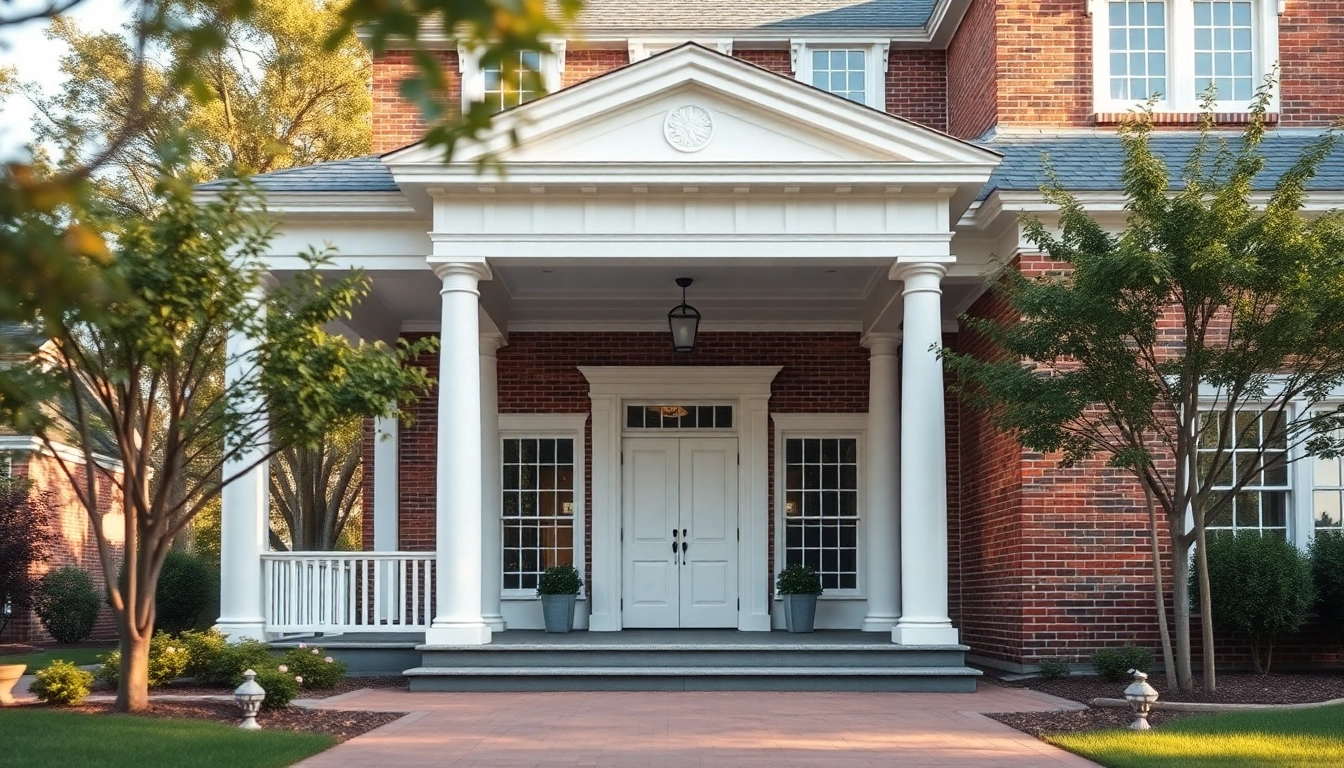
Understanding Colonial Additions
Defining Colonial Addition
A colonial addition refers to a structural extension added to a house that follows the aesthetic and architectural characteristics of traditional colonial homes. Colonial style, deeply rooted in American history, generally features symmetrical facades, gabled roofs, and a central entrance. When considering a colonial addition, homeowners often aim to preserve these time-honored traits while enhancing the functionality and space of their existing homes. By adhering to guidelines derived from centuries-old designs, a colonial addition can seamlessly blend into the existing structure, making it an appealing choice for homeowners seeking to expand their living area without compromising their home’s historical integrity. For those interested in these thoughtful construction techniques, exploring a colonial addition may be particularly beneficial.
Historical Context and Significance
The colonial architectural style emerged in America during the 17th and 18th centuries, influenced predominantly by European settlers from England, Spain, France, and the Netherlands. Each colonial region developed its own characteristics based on the local environment, materials available, and cultural influences. Understanding the historical context of colonial architecture helps homeowners appreciate the significance behind their colonial addition. This type of design is not merely a trend but a reflection of America’s diverse cultural heritage and adaptability through changing times. Many colonial homes have stood the test of time, symbolizing stability and tradition, making the addition of similar structures a smart investment not only in aesthetics but also in preserving cultural legacy.
Common Features and Design Elements
When designing a colonial addition, it is vital to incorporate elements that are synonymous with colonial architecture. Common features include:
- Symmetry: Doors and windows are typically aligned, providing a balanced appearance.
- Gabled Roofs: Steep, pitched roofs are a distinguishing feature, often adorned with dormer windows.
- Traditional Materials: Brick, clapboard siding, and wood are commonly used, enhancing durability and authenticity.
- Columned Entrances: The addition may include traditional columns or porticos to create an elegant entryway.
- Shuttered Windows: Window shutters not only serve an aesthetic purpose but are practical for sunlight control.
By focusing on these features, homeowners can ensure that their colonial addition complements the existing structure while enhancing the overall beauty of the home.
Benefits of Adding a Colonial Addition
Increased Space and Functionality
The primary advantage of incorporating a colonial addition is the added space, which directly translates to improved functionality. Whether expanding the living room, adding more bedrooms, or creating a home office, the possibilities are endless. By effectively utilizing the additional space, families can create designated areas for various activities without feeling cramped. The colonial addition also allows for the design to be customized based on the homeowners’ evolving needs. For instance, multi-generational families might find themselves in need of an in-law suite, while those working from home can benefit from a dedicated office space, granting the necessary separation between work and personal life.
Enhanced Property Value
Investing in a colonial addition often leads to significant increases in property value. Homes with well-planned additions tend to attract higher appraisals due to the extra space and enhanced functionality they offer. Real estate markets consistently favor homes with historical characteristics that are tastefully updated; therefore, a well-executed colonial addition can benefit homeowners in the long run, whether they are looking to sell or rent their property. Moreover, contemporary homebuyers frequently seek out homes that combine historical charm with modern conveniences, making a colonial addition an appealing feature for potential buyers.
Architectural Cohesion
Architectural cohesion is crucial when adding to a home to maintain visual integrity and ensure that the extension appears as a natural part of the original structure. A well-planned colonial addition respects the existing style by mirroring its materials, dimensions, and design details. This dedication to cohesiveness not only honors the architectural style of the home but also enhances its aesthetic appeal. A successfully integrated addition can look as if it has always existed, creating an atmosphere of unity that can be appreciated over generations.
Designing Your Colonial Addition
Choosing the Right Materials
Material selection is one of the most critical aspects of designing a colonial addition. Authenticity is paramount, so choices should ideally include materials that match or closely resemble those of the original structure. Commonly used materials for colonial additions include:
- Brick: A traditional choice that offers durability, insulation, and aesthetic appeal.
- Wood: Used for framing and siding, wood can provide warmth and a classic look.
- Natural Stone: Offering a rustic touch, stone can enhance the home’s exterior and create a timeless charm.
- Slate or Shingle Roofing: Complements a colonial style and improves the longevity of the roof.
Homeowners should also consider modern building materials that can provide additional benefits, such as energy efficiency while still honoring the colonial style.
Incorporating Modern Elements
While it is vital to maintain a sense of historical integrity when designing a colonial addition, incorporating modern elements can greatly enhance usability and comfort. Homeowners might consider adding large, energy-efficient windows to maximize natural light while still adhering to harmonious designs. Additionally, open floor plans that promote fluidity between spaces can be integrated thoughtfully into traditional designs without losing their essence. Using modern heating and cooling systems can also increase energy efficiency while minimizing environmental impact. Balancing classic design with contemporary conveniences will appeal to a broad audience while preserving the colonial character.
Working with Professional Designers
Engaging with professional designers or architects who specialize in colonial architecture can substantially elevate the design process. Experienced professionals understand the intricacies of blending new construction with old and can provide valuable insights throughout the project. They can assist with structural integrity, ensuring that the foundation and framing are sound and that the overall design is cohesive. As homeowners navigate decisions about styles, materials, and space utilization, a professional’s expertise can be invaluable, ultimately leading to a successful and aesthetically pleasing colonial addition.
Integrating Colonial Additions with Landscaping
Creating Harmonious Outdoor Spaces
Landscaping plays a crucial role in the overall appeal of any home, especially when it comes to blending a colonial addition with its outdoor environment. Careful planning for outdoor areas can help extend the living space and create a seamless transition from indoors to outdoors. This can include installing patios, walkways, or gardens that complement the architectural features of the home. Incorporating symmetry in the landscaping design is essential, echoing the balance found in colonial architecture. Strategic placement of outdoor elements can enhance the home’s charm and create functional outdoor spaces for relaxation and entertainment.
Choosing Complementary Plants
Selecting the right plants is vital for harmonizing a colonial addition with the existing landscape. Traditional colonial gardens often feature an array of flowers, shrubs, and trees that reflect historical planting styles and local varieties. Homeowners might opt for perennials, boxwoods, or hydrangeas, balancing visual interest throughout the seasons. Utilizing native plants can also enhance sustainability while providing a garden that flourishes with minimal maintenance. Careful consideration of color schemes, sizes, and seasonal blooms can create visually cohesive and inviting outdoor spaces.
Setting Up Functional Outdoor Areas
Functional outdoor areas can significantly enhance the usability of a colonial addition. Creating defined areas for dining, lounging, or gardening not only elevates the outdoor experience but also reflects the traditional use of outdoor spaces in colonial times. Patios or terraces that extend from the addition can provide an excellent area for gatherings, while strategically placed benches or seating arrangements can encourage relaxation and reflection. Integrating features like fire pits or outdoor kitchens can also enhance functionality, embracing spaces that promote family interactions and social gatherings.
Frequently Asked Questions About Colonial Additions
What is the cost range for a colonial addition?
The cost can vary widely, ranging from $50,000 to $200,000 depending on size and materials.
How long does it take to build a colonial addition?
Construction timelines typically range from 3 to 6 months, depending on project complexity.
Are colonial additions suitable for all home styles?
Colonial additions work best on traditional homes but can complement various designs with thoughtful planning.
What are the best materials for a colonial addition?
Brick, wood, and natural stone are popular choices for maintaining historical authenticity.
Can I DIY my colonial addition?
While DIY is possible, consulting with professionals is advised for structural integrity and design coherence.