
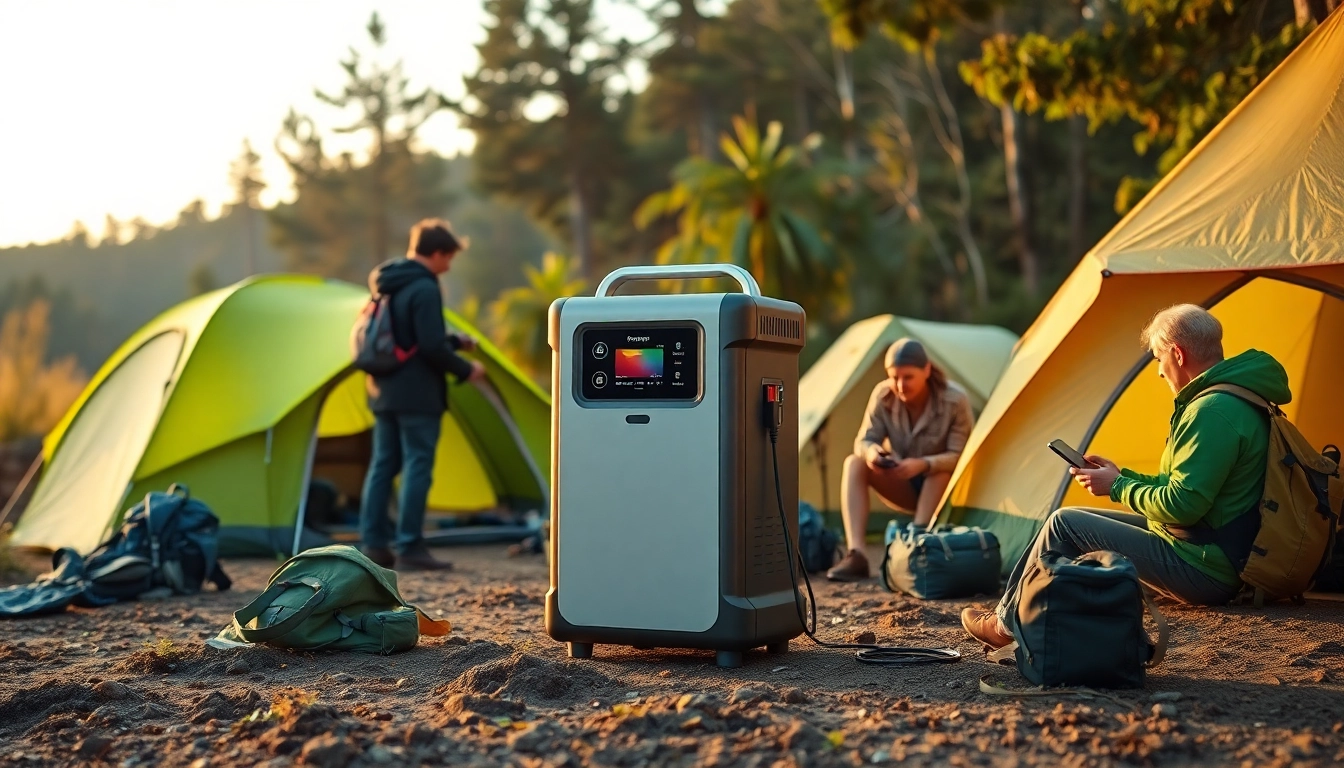
Understanding EcoFlow Technologies
What is EcoFlow?
EcoFlow is a pioneering company in renewable energy solutions, primarily known for its portable power stations and solar solutions. By focusing on innovation and sustainability, EcoFlow aims to provide reliable electric power sources for outdoor enthusiasts, disaster preparedness, and everyday use. Products created by EcoFlow are engineered to deliver consistent power regardless of location, enhancing users’ productivity while reducing reliance on traditional fossil fuels. You can explore more about these advanced technologies on EcoFlow.
Key Features of EcoFlow Devices
EcoFlow devices are known for several standout features:
- High Capacity: EcoFlow power stations offer high wattage outputs suitable for powering a variety of devices, from small electronics to larger appliances.
- Fast Recharging: Unlike traditional generators, many EcoFlow units can be recharged in less than two hours, providing quick energy on-the-go.
- Portability: Designed with lightweight materials and rugged casings, EcoFlow products are built for ease of transport, making them perfect for camping or emergency situations.
- Smart Features: Options like mobile app controls enable real-time monitoring and customization, allowing users to optimize their energy use.
- Expandable Systems: Some models can connect with additional batteries or solar panels to expand power capacity, catering to larger energy demands.
Applications of EcoFlow Solutions
EcoFlow solutions cater to a diverse range of applications, including:
- Outdoor Activities: Ideal for camping, hiking, and boating, EcoFlow devices allow adventurers to power their gadgets and appliances wherever they go.
- Home Backup Power: Users can prepare for outages by maintaining power for essential appliances in their homes.
- Worksites: Construction crews and remote workers can utilize portable power stations to keep tools and devices operational in off-grid locations.
- Emergency Preparedness: EcoFlow units serve as critical backups during natural disasters or emergencies, ensuring access to essential power sources.
Choosing the Right EcoFlow Product
Evaluating Your Energy Needs
Determining the right EcoFlow product begins with analyzing your specific energy requirements. Consider the devices you plan to power, assess their wattage, and calculate the total energy consumption over a set period. Additionally, think about the frequency of usage; are you looking for occasional outdoor use, or do you need a consistent backup power source for home emergencies? Understanding these factors will guide you towards the most suitable EcoFlow model.
Comparison of EcoFlow Models
EcoFlow has a range of models tailored for different applications. Their flagship model may offer the largest capacity and diverse output options, making it ideal for heavy use. In contrast, smaller models focus on portability and simplicity for users with basic needs. When comparing, look into:
- Battery capacity (measured in watt-hours)
- Ports and compatibility (USB, AC outlets, etc.)
- Weight and dimensions for transport
- Recharge times and methods available
- Smart features such as apps and monitoring systems
Assessing Compatibility with Devices
Before investing in an EcoFlow device, ensure that it aligns with your device compatibility requirements. Carefully evaluate the voltage and wattage specifications of your electronics. Most EcoFlow products can power a range of devices, but checking this detail is crucial to avoid damage and ensure efficient operation.
EcoFlow and Environmental Impact
Reducing Carbon Footprint with EcoFlow
Using EcoFlow solutions significantly contributes to a reduced carbon footprint. By opting for portable power stations over traditional gasoline generators, users eliminate harmful emissions associated with fossil fuels. Moreover, EcoFlow products are designed to be charged using renewable sources such as solar energy, encouraging sustainable energy consumption without compromising convenience.
Recycling and Disposal of EcoFlow Products
Proper disposal and recycling of EcoFlow products are vital for minimizing environmental impact. EcoFlow encourages users to follow local regulations regarding battery disposal and recycling programs. Additionally, their product designs promote longevity, and users should maximize the lifecycle of their devices to reduce waste effectively.
EcoFlow’s Commitment to Sustainability
EcoFlow is committed to a sustainable future, prioritizing eco-friendly materials in their product design and manufacturing processes. They are dedicated to minimizing waste and promoting energy-efficient technologies that not only save users money but also conserve the environment. With continuous investment in sustainable practices, EcoFlow aims to create a greener tomorrow.
Real-World Usage and Customer Testimonials
Adventurers’ Experiences with EcoFlow
Customers using EcoFlow products for outdoor adventures frequently report increased satisfaction and peace of mind. Whether camping in the woods or on a beach road trip, users appreciate being able to charge devices such as smartphones, laptops, and cooking appliances, allowing for a seamless experience in nature without isolation from the comforts of technology.
Case Studies: EcoFlow in Action
Numerous case studies illustrate EcoFlow’s versatility. For instance, a group of campers utilized a specific EcoFlow unit to power lights, a portable fridge, and mobile devices during a week-long getaway. With strategic energy management, they kept everything running smoothly and enjoyed their outdoor escape without sacrificing comfort or safety.
User Reviews and Feedback
User reviews consistently highlight reliability and user-friendliness. Many customers rave about the fast recharge times and portability of EcoFlow devices. Overall, it seems that these power solutions not only perform well but also enhance users’ experiences across various scenarios.
Maintaining and Caring for Your EcoFlow Device
Basic Maintenance Tips
To extend the lifespan of your EcoFlow device, regular maintenance is essential. Keep the device clean and free from dust, and ensure connections are secure. When not in use, store the power station in a cool, dry place, and perform periodic checks to ensure everything remains functional.
Long-Term Storage Recommendations
If you plan to store your EcoFlow device for an extended period, it’s advisable to keep the battery charged at around 50% to 60%. Check on the device periodically to recharge it, as batteries can self-discharge over time, ensuring it’s ready for use when needed.
Troubleshooting Common Issues
Should you encounter issues, start by consulting the user manual for guidance. Common troubleshooting steps involve resetting the device, ensuring all connections are secure, and confirming that the device isn’t overloaded. For persistent problems, reaching out to customer support can provide specific advice tailored to your situation.
Frequently Asked Questions
1. How long can I run devices on an EcoFlow power station?
The runtime depends on the capacity of the power station and the wattage of the devices connected. For example, a 600Wh unit can run a 60W device for approximately 10 hours.
2. Can I charge EcoFlow devices using solar panels?
Yes, many EcoFlow models can be charged using solar panels. This adds to the sustainability and convenience of energy access in remote areas.
3. What should I do if my EcoFlow device won’t hold a charge?
Ensure connections are clean and secure. If issues persist, try a factory reset or contact customer support for detailed troubleshooting.
4. Are EcoFlow products safe to use indoors?
Yes, EcoFlow products are designed with safety features making them safe for indoor use, providing clean energy without harmful emissions.
5. How long does it take to fully charge an EcoFlow power station?
Charging times vary by model, but many EcoFlow units can charge fully in as little as two hours using AC power, while solar charging times may vary.