
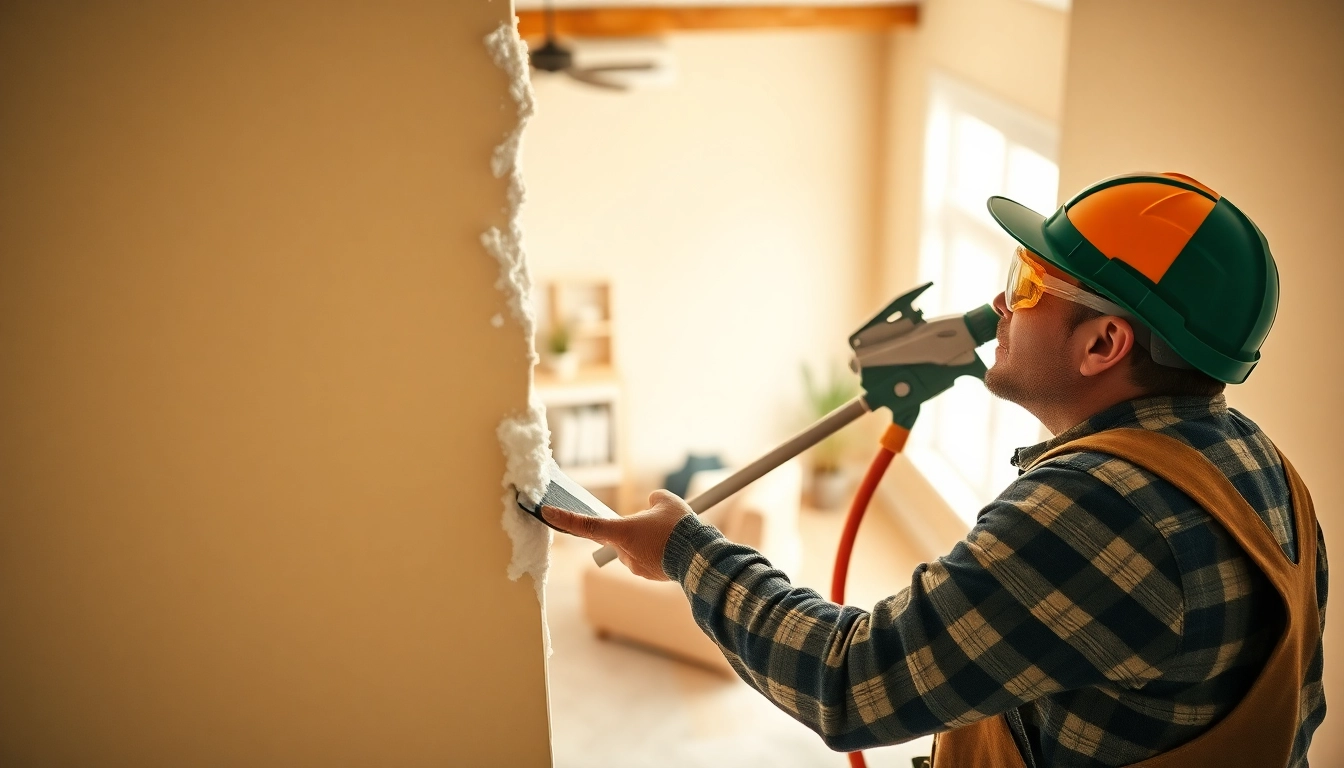
Introduction to Spray Foam Removal per m2
Spray foam insulation has grown popular due to its energy efficiency and excellent sealing properties. However, there may come a time when spray foam needs to be removed for various reasons. Understanding the nuances surrounding spray foam removal per m2 is crucial for homeowners and contractors alike.
What is Spray Foam Insulation?
Spray foam insulation is a type of foam that is applied as a liquid and expands into a solid form, creating an airtight seal. This insulation type is favored for its ability to fill voids and create a barrier against air leaks. It is typically made from two main components: isocyanate and polyol resin. When mixed, these components react chemically and expand to fill the desired space, providing exceptional thermal resistance.
Why You Might Need Removal
There are several reasons why spray foam insulation may need to be removed. Firstly, it could be due to improper installation leading to reduced efficiency. Secondly, over time, the material can degrade or suffer damage, necessitating replacement. Lastly, renovation projects may require removal of the insulation to address moisture issues, accommodate new construction methods, or allow for modern insulation types. Recognizing the need for removal is the first step in ensuring the longevity and effectiveness of your home’s insulation system.
Cost Considerations for Removal
The costs associated with the removal of spray foam insulation can vary widely based on various factors. Homeowners must take into account the area size, the thickness of the foam, the condition of the material, and the complexity of the removal process. Generally, when evaluating costs per m2, it is crucial to gather multiple assessments to ensure a fair pricing strategy.
Techniques for Efficient Spray Foam Removal
Tools and Equipment Required
To efficiently remove spray foam insulation, a variety of tools and equipment are required. Commonly used tools include:
- Utility knives: Useful for cutting and scraping away the foam.
- Putty knives: Employed for prying off foam remnants.
- Heat guns: Can be used to soften the foam for easier removal.
- Chemical solvents: Specialized solutions that break down the foam structure to facilitate removal.
- Personal protective equipment (PPE): Essential for safety, including goggles, gloves, and masks.
Step-by-Step Removal Process
The removal process of spray foam insulation typically involves the following steps:
- Assessment: Evaluate the area to determine the extent of spray foam coverage and any potential hazards.
- Preparation: Clear the area of furniture and cover any surfaces that may be damaged during the removal process.
- Cutting the Foam: Use utility knives to cut away larger sections of foam. For tougher areas, heat guns can be applied to soften the material.
- Removing Residue: Scrape the remnants from surfaces with putty knives or other appropriate tools.
- Cleaning: After removal, thoroughly clean the area using vacuums or cloths to ensure all residues are eliminated.
Safety Precautions and Best Practices
Safety is paramount during the removal of spray foam insulation. Here are some best practices to follow:
- Always wear protective gear to guard against inhalation of fumes and physical injury.
- Ventilate the area adequately to prevent buildup of chemical vapors.
- Consider hiring professionals if the foam was applied in large quantities, as they have specialized equipment and training.
- Keep a fire extinguisher nearby when using heat tools, as foam can ignite if not handled carefully.
Factors Affecting Spray Foam Removal Costs
Material Types and Thickness
The specific type of spray foam installed and its thickness significantly influence the removal costs. Closed-cell foam, for instance, tends to be denser and more challenging to remove compared to open-cell foam. Understanding these distinctions can help homeowners estimate potential costs when comparing spray foam removal per m2.
Location and Accessibility
The location of the spray foam insulation also plays a vital role in determining the overall cost. Areas that are hard to access, such as attics or crawl spaces, require more labor and specialized equipment, thus increasing the price. Homeowners should assess these factors when seeking professional services.
Labor Costs and Time Estimates
Labor costs will vary based on the complexity of the job and local wage rates. Generally, skilled removal services charge by the hour, and quotes will also consider the estimated time for completing the task. Effective planning and clear communication with contractors can lead to more accurate estimates and timeliness in the project.
Alternative Options Post-Removal
Repair and Restoration Techniques
Once the spray foam has been removed, homeowners may find that repairs are necessary to restore surfaces or structural integrity. This may involve patching drywall, repairing insulation, or applying new vapor barriers. Using high-quality materials in these processes helps ensure long-lasting results.
Choosing New Insulation Options
After removal, it may be time to explore different insulation materials. Alternatives such as fiberglass batts, cellulose, or mineral wool each have unique advantages and insulating properties. Evaluate your home’s needs, energy efficiency goals, and budget to make informed decisions on new insulation types.
Environmental Considerations
When replacing insulation, consider the environmental impact of materials. Many eco-friendly options are available that improve energy efficiency while reducing the carbon footprint. Seek products with recycled content or those that meet environmental certifications to align with sustainable practices.
Frequently Asked Questions about Spray Foam Removal per m2
What are common methods for spray foam removal?
Common methods include mechanical scraping, chemical solvents, and specialized removal equipment tailored to break down foam properties.
How long does the removal process take?
Time varies based on the area size and condition of foam, typically ranging from a few hours to several days depending on complexity.
Is spray foam removal expensive?
Costs depend on removal scale, but prices per m2 are generally competitive compared to alternatives, such as fiberglass insulation.
Can I remove spray foam insulation myself?
While DIY is an option, professional removal is recommended due to safety concerns and efficiency, ensuring correct methods are employed.
What should I do after spray foam removal?
Post-removal, consider repairs, address any issues found, and explore new insulation options to enhance the building’s energy efficiency.