
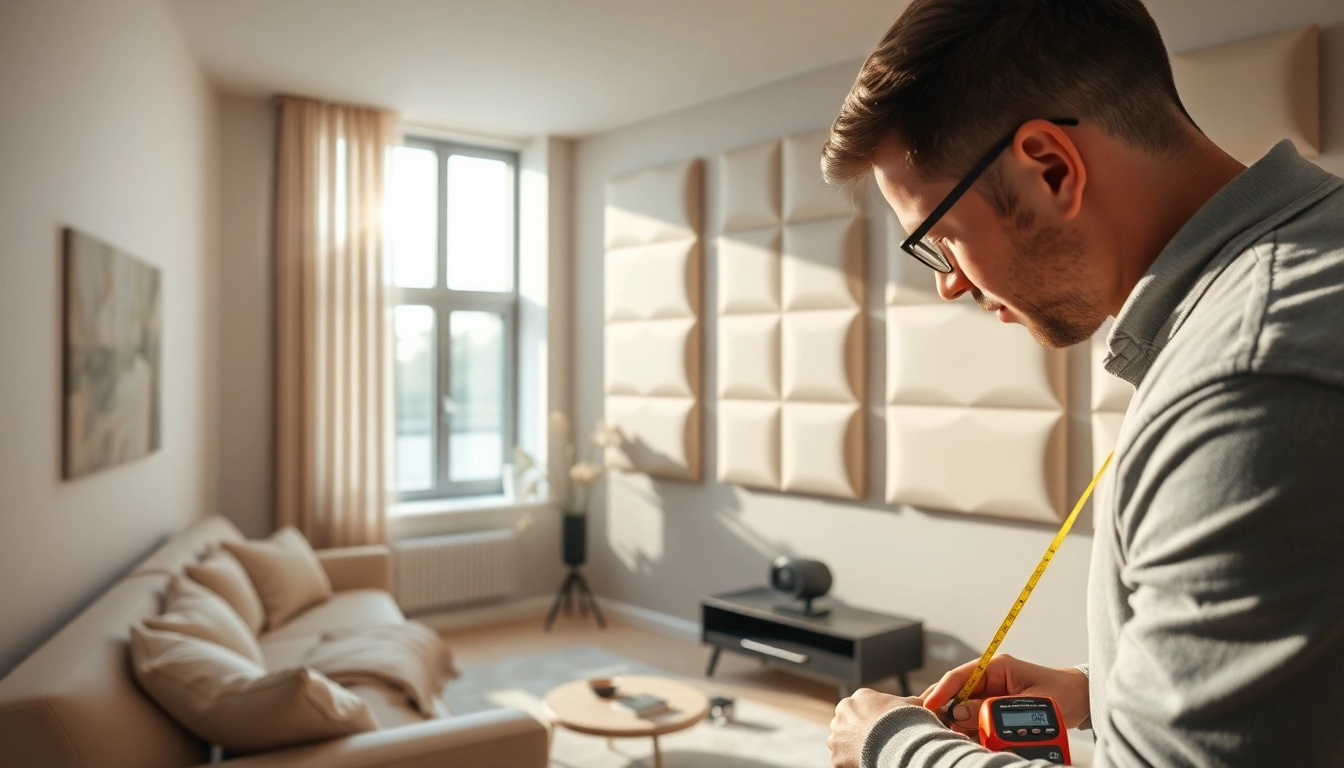
The Basics of Soundproofing
Understanding Sound Waves
Sound waves are a fundamental aspect of acoustics, created by vibrations that travel through air (or other mediums) and are interpreted by our ears as sound. The primary characteristics of sound waves include frequency, amplitude, and wavelength. Frequency determines the pitch of the sound, amplitude relates to its volume, and wavelength represents the distance between two consecutive peaks of a wave. Understanding these properties is crucial for anyone looking to enhance their environment through effective Soundproofing techniques.
Materials Used in Soundproofing
When it comes to soundproofing, the selection of materials plays a pivotal role. Commonly used materials include:
- Mass-Loaded Vinyl (MLV): A dense and flexible barrier that effectively blocks sound transmission.
- Acoustic Panels: Made from foam or fabric, these panels absorb sound waves to reduce echo and improve sound quality in a space.
- Insulation: Fiberglass or mineral wool insulation provides sound dampening qualities, particularly in walls and ceilings.
- Soundproof Drywall: Specially designed drywall that contains sound-dampening properties, reducing noise significantly compared to standard drywall.
Common Soundproofing Techniques
There are several techniques to achieve effective soundproofing, including:
- Adding Mass: Increasing the density of walls, floors, and ceilings through additional layers of drywall or the application of MLV.
- Damping: Using specialized compounds or acoustic materials to reduce vibrations and noise transfer between surfaces.
- Decoupling: Separating wall assemblies to reduce direct sound transmission, commonly achieved with resilient channels.
- Sealing Gaps: Ensuring that all gaps and cracks are sealed using acoustical caulk or foam to prevent sound leaks.
Identifying Soundproofing Needs
Assessing Noise Levels
Before initiating a soundproofing project, it’s essential to assess the current noise levels within your environment. This can be done using sound level meters to measure decibel levels in different areas. If certain spaces are noisier, it helps pinpoint where soundproofing efforts should be concentrated.
Determining Spaces for Soundproofing
Identifying specific spaces that require soundproofing solutions is crucial. Consider areas that need sound isolation, such as:
- Home theaters or music studios
- Bedrooms near high-traffic areas
- Office spaces that experience external noise disturbances
Establishing Goals for Soundproofing
Setting measurable goals is vital for evaluating the success of your soundproofing efforts. Goals may include achieving specific decibel reduction levels or creating a certain acoustic atmosphere tailored to your needs.
Advanced Soundproofing Solutions
Innovative Materials and Technologies
With advancements in technology, many innovative soundproofing products have emerged. These include:
- Smart Acoustic Panels: Panels that integrate sound absorption and aesthetic design, often with customizable features.
- Soundproof Windows: Windows designed with multiple panes and special seals to minimize outside noise effectively.
- Green Soundproofing Materials: Eco-friendly products that offer soundproofing capabilities, appealing to environmentally-conscious consumers.
Professional Installation Techniques
While DIY methods can be effective, professional installation guarantees optimal results. Professionals can assess a space comprehensively, implementing advanced techniques and ensuring compliance with building codes.
Integrating Soundproofing with Design
Soundproofing doesn’t have to sacrifice aesthetic appeal. Innovative design strategies can blend soundproofing materials seamlessly into the overall appearance of a space. Utilizing decorative soundproofing solutions, such as art panels or sound-absorbing wall treatments, can enhance both functionality and style.
Measuring Soundproofing Effectiveness
Utilizing Sound Level Meters
To ascertain the success of your soundproofing measures, sound level meters are invaluable. They provide real-time decibel readings before and after installation, offering a clear picture of soundproofing effectiveness.
Feedback from Residents
Gathering feedback from the occupants of the space plays an important role in assessing the effectiveness of soundproofing measures. What might be quantifiable in decibels can often translate into a qualitative improvement in comfort and enjoyment.
Adjustments and Improvements
Initial soundproofing installations might not deliver perfect results. It’s necessary to remain open to making adjustments or enhancements based on initial assessments and feedback to ensure maximum effectiveness.
FAQs about Soundproofing
What is soundproofing?
Soundproofing is the process of making a space resistant to unwanted sound by employing various techniques and materials to reduce noise transmission.
How can I soundproof my home?
You can soundproof your home by adding mass to walls, sealing gaps, using sound absorption materials, and ensuring proper installation of windows and doors.
What materials are best for soundproofing?
The best materials for soundproofing include mass-loaded vinyl, acoustic panels, soundproof drywall, and fiberglass insulation for optimal noise reduction.
Is professional installation necessary?
While some soundproofing can be done DIY, professional installation ensures that advanced techniques are correctly implemented for the best results.
How do I know if my soundproofing is effective?
You can measure your soundproofing effectiveness by utilizing sound level meters to compare noise levels before and after installation, as well as gathering personal feedback.