Professional Video Production setup showcasing a videographer adjusting equipment in a vibrant studio.

Mastering Professional Video Production for Impactful Storytelling

Understanding Professional Video Production

Definition and Importance

Professional video production refers to the process of creating high-quality, compelling video content using industry-standard techniques and equipment. This process is paramount for businesses aiming to communicate their message effectively, showcase products, or connect directly with audiences through storytelling. In a digital age where video content is king, mastering Professional Video Production becomes essential for brand visibility and engagement, establishing emotional connections with your audience, and ultimately driving results.

Key Components of Professional Video Production

Several crucial components contribute to successful video production. These include:

  • Pre-Production: This phase involves planning and organizing all aspects of the video project, from conceptualization to scripting.
  • Production: During production, the actual filming takes place, requiring careful attention to detail in capturing visual and audio elements.
  • Post-Production: Editing, color grading, sound design, and adding effects occur in this phase, ensuring a polished final product.

Each of these stages requires specific expertise and tools, which together contribute to the creation of professional-grade video content.

Types of Video Production Services

Video production services can be broadly categorized into various types, each serving different objectives:

  • Corporate Videos: Used by businesses for internal training, marketing, or brand storytelling.
  • Commercials: Short clips designed primarily to promote products or services.
  • Event Coverage: Documenting live events such as weddings, conferences, and concerts.
  • Promotional Videos: Focused on marketing efforts to raise awareness about specific initiatives or campaigns.
  • Educational Content: Used in training and instructional contexts to facilitate learning.

Choosing the right type of production service depends on the goals and the target audience of the content being created.

Essential Equipment for Professional Video Production

Cameras and Accessories

The foundation of any video production is the camera system. Professional setups may include:

  • Cameras: DSLRs, mirrorless cameras, and camcorders are popular choices for their versatility and quality.
  • Lenses: Different lenses can affect the mood and tone of the shot, from wide-angle for expansive scenes to macro for intricate details.
  • Gimbals and Stabilizers: These tools help minimize camera shake, yielding smooth footage even in dynamic environments.

Investing in high-quality cameras and supporting accessories is vital to achieve professional results.

Lighting Options and Techniques

Lighting plays a crucial role in setting the scene and creating the desired atmosphere. Common lighting equipment includes:

  • Key Lights: The primary light source that highlights the subject.
  • Fill Lights: These are used to soften the shadows created by key lights, ensuring balanced lighting.
  • Backlights: They help separate the subject from the background, adding depth to the scene.

Techniques such as three-point lighting are often employed to create a professional look that enhances visual storytelling. Understanding how to manipulate light can transform a good video into a great one.

Audio Gear for Clear Sound

Great audio is just as crucial as great visuals. Here are some essential audio equipment choices:

  • Lavalier Microphones: Ideal for interviews and speeches as they provide excellent audio quality in compact formats.
  • Shotgun Microphones: Useful for directional sound capture, focusing on specific sounds while minimizing background noise.
  • Audio Recorders: Quality external recorders can capture sound better than built-in camera microphones, offering greater fidelity.

The importance of investing in quality audio gear cannot be overstated, as poor sound can undermine the entire production quality.

Planning Your Professional Video Production

Creating a Concept and Script

Every successful video begins with a strong concept and a well-structured script. This phase involves brainstorming ideas that resonate with the target audience and align with the project objectives. A clear script serves as the roadmap for production, detailing the dialogue, action, and visual elements. Collaboration with writers and creative minds is key to crafting compelling narratives that captivate viewers.

Storyboarding and Shot Planning

Storyboarding brings the script to life by visualizing each scene. This process involves sketching key frames, determining shot types, camera angles, and transitions, which sets a clear direction for filming. Additionally, shot planning includes creating a shot list that outlines each required take, ensuring that nothing essential is missed during production. This level of preparation helps streamline the filming process and keeps the team focused.

Budgeting for Success

Effective budgeting is essential for any professional video production. Expenses can accumulate quickly due to equipment rentals, personnel fees, location costs, and post-production editing. Creating a detailed budget and sticking to it can mean the difference between a successful project and unanticipated financial difficulties. It’s crucial to factor in all aspects and include a contingency fund to address unforeseen circumstances.

Techniques for Enhancing Professional Video Production

Filming Techniques for Quality

Employing advanced filming techniques can differentiate a professional production from amateur attempts. Key techniques include:

  • Framing and Composition: Using the rule of thirds, leading lines, and symmetry can create visually compelling shots.
  • Camera Movement: Techniques such as panning, tilting, and dolly shots can add dynamism to the footage.
  • Use of Depth: Creating depth through foreground and background elements enhances the three-dimensionality of the video.

Implementing these techniques can significantly elevate the quality and aesthetic appeal of video content.

Editing Process and Tools

The editing process is where the final narrative comes together. Professional editors use advanced software such as Adobe Premiere Pro or Final Cut Pro to streamline their workflow. Key steps in the editing process include:

  • Assembling Footage: Organizing and trimming raw footage to form a coherent narrative.
  • Color Grading: Adjusting colors to enhance mood and create a cohesive look across scenes.
  • Sound Design: Integrating audio elements, including voiceovers, music, sound effects, and ambient sounds for a polished finish.

Effective editing transforms raw footage into an engaging and impactful video.

Post-Production Essentials

Post-production is the final phase, where additional elements are introduced to elevate the video further. This may involve:

  • Visual Effects: Adding digital effects to enhance storytelling or to create visual appeal.
  • Titles and Graphics: Implementing titles, captions, and graphics can help convey key messages more effectively.
  • Exporting and Distribution: Choosing the right formats for various platforms ensures optimal viewing experiences.

Paying attention to these post-production elements can make a substantial difference in the final product’s quality.

Measuring the Success of Your Professional Video Production

Key Performance Indicators

Measuring the success of video production hinges on defining clear key performance indicators (KPIs). Common KPIs include:

  • View Metrics: Tracking the number of views can gauge interest and outreach.
  • Engagement Rates: Metrics such as likes, comments, and shares indicate how well the video resonates with the audience.
  • Conversion Rates: Evaluating how many viewers take action (such as signing up or making purchases) after watching the video reflects its effectiveness.

Regularly monitoring these KPIs can help refine future video production strategies.

Feedback and Iteration Strategies

Feedback is essential for continuous improvement in video production. Solicit input from viewers, stakeholders, and peers to identify strengths and weaknesses in the content. Implementing a systematic approach to gather and analyze feedback can inform iterative revisions, enhancing future projects. Constructive feedback allows for refining processes, techniques, and overall storytelling.

Case Studies of Successful Productions

Analyzing real-life case studies can offer insights into successful video production. For instance, a promotional video for a non-profit organization detailing its mission and impact can significantly boost donations and awareness. Furthermore, studying campaigns that utilized effective storytelling techniques can provide valuable lessons on emotional engagement and audience connection. Each case study provides actionable insights, guiding creators toward best practices that yield results.

Frequently Asked Questions

What is the typical timeline for a professional video production?

The timeline varies based on project complexity, but a typical production may take anywhere from a few weeks to several months, including all pre-production, production, and post-production phases.

What are the costs associated with professional video production?

Costs can range widely depending on factors like production scope, location, equipment, and talent involvement, but budgeting several thousand dollars for a quality production is common.

How can I ensure good audio quality in my video?

Invest in quality microphones, keep background noise to a minimum, and consider using an external audio recorder to capture clear sound during filming.

What kind of content works best for video marketing?

Content that tells a story, resonates emotionally, and engages the target audience, such as tutorials, customer testimonials, or behind-the-scenes looks, typically performs best in video marketing.

How often should I produce video content?

Regularity should align with your marketing strategy. Depending on your audience and resources, producing content weekly, monthly, or quarterly could be effective in maintaining engagement.


Gorilla trekking and Tanzania safari experience showcasing a silverback gorilla in a lush rainforest.

A Memorable Gorilla Trekking and Tanzania Safari Experience

Understanding Gorilla Trekking and Tanzania Safari

The allure of exploring the African wilderness is an experience that tantalizes the senses and stirs the spirit. Amongst the myriad adventures awaiting, Gorilla trekking and Tanzania safari stand out as two of the most captivating. These journeys promise not only breathtaking landscapes but also unforgettable encounters with some of the world’s most majestic wildlife.

What is Gorilla Trekking?

Gorilla trekking is an adventure that takes you deep into the primordial forests where the world’s largest primates roam free within their natural habitat. This experience allows intrepid travelers the opportunity to observe and spend time with these incredible creatures up close, watching their behaviors and interactions within their troop. Typically, gorilla trekking takes place in regions such as Rwanda, Uganda, and the Democratic Republic of Congo, where mountain gorillas are mostly found. The treks are led by experienced guides, who ensure the safety of both the trekkers and the gorillas.

The Essence of a Tanzania Safari

A Tanzania safari offers a contrasting yet harmonizing experience to that of gorilla trekking. Renowned for its vast savannahs, diverse ecosystems, and the iconic Great Migration, a safari in Tanzania showcases some of nature’s most awe-inspiring spectacles. From spotting elephants in Tarangire National Park to witnessing the astounding wildlife diversity in Serengeti National Park, every moment is imbued with the pulse of wild Africa. Guided by knowledgeable rangers, these excursions are not just about observing animals; they’re about understanding the intricate balance of the ecosystems.

Why Combine Both Adventures?

Combining gorilla trekking with a Tanzania safari creates a multifaceted experience that showcases Africa’s rich biodiversity and cultural heritage. This dual adventure allows travelers to delve into the lives of both primates and large mammals in their respective habitats, offering insights into their behaviors, environmental challenges, and conservation efforts. Experiencing the juxtaposition of mountain jungles with open savannahs enriches one’s appreciation for the continent’s wild beauty.

Planning Your Gorilla Trekking and Tanzania Safari

Best Times to Go

The best time for gorilla trekking typically falls during the dry seasons from June to September and December to February when the trails are less muddy, making trekking easier. For a Tanzania safari, the dry season is preferred for animal viewing, particularly between June and October, as wildlife tends to congregate around water sources, and the visibility is clearer.

Essential Gear for Your Journey

Equipping yourself for both a gorilla trek and a safari is crucial to ensure comfort and safety during your adventures. Essential gear includes:

  • Footwear: Sturdy hiking boots for trekking; comfortable shoes for safari days.
  • Clothing: Lightweight, moisture-wicking, and neutral-colored clothing that blends with the environment. Long sleeves and pants can protect against scratches and insect bites.
  • Protection: Sunscreen, wide-brimmed hats, and insect repellent to fend off the sun and bugs.
  • Photography: A good camera with a zoom lens, along with extra batteries and memory cards, is crucial for capturing the wildlife.

Choosing the Right Tour Operator

Selecting a reputable tour operator can make a significant difference in your experience. Look for operators with excellent customer reviews, knowledgeable guides, and strong conservation ethics. They should prioritize responsible tourism practices, ensuring that the wildlife is respected while providing sustainability to local communities. Researching and choosing an experienced tour operator who offers customized experiences that match your interests will enhance your trip considerably.

Wildlife Encounters: What to Expect

Gorilla Habitats and Behaviors

Gorillas inhabit dense, mountainous tropical forests which provide them with the necessary vegetation for their diet. Observing these magnificent creatures in the wild offers insights into their social structures, grooming rituals, and the tender relationships shared within family groups. Understanding their behavior not only enriches the trekking experience but also highlights the importance of conservation efforts to protect their vulnerable populations.

Other Wildlife to Observe in Tanzania

Tanzania’s diverse ecosystems are home to a vast array of wildlife. On a safari, you can expect to see the “Big Five”—lions, elephants, buffaloes, leopards, and rhinoceros. In addition to these, numerous species such as cheetahs, zebras, and wildebeests populate the land. Birdwatchers will delight in spotting over 1,100 species, making it a remarkable destination for avifauna enthusiasts. The Great Migration, which sees millions of wildebeest and zebra traversing the Serengeti plains, stands as one of nature’s most spectacular events.

Safety Precautions During Your Safari

Safety should always be a priority during your treks and safaris. While gorilla encounters are generally safe, following guidelines and maintaining a safe distance from the gorillas minimizes the risk of transmitting diseases. On safaris, staying inside the vehicle during game drives, respecting wildlife, and following your guide’s instructions are crucial for ensuring safety and a rewarding experience.

Cultural Insights on Your Journey

Engaging with Local Communities

Engaging with local communities during your adventures not only enriches your experience but fosters economic support for those living in proximity to wildlife. Many tour operators offer cultural visits to nearby villages, where travelers can interact with residents, learn about traditional practices, and witness the daily lives of locals. This creates a mutual respect and understanding of how humans and wildlife can coexist.

Understanding Tanzania’s Cultural Heritage

Tanzania is a mosaic of cultures with over 120 ethnic groups, each contributing unique traditions, languages, and stories. Visitors have the opportunity to immerse themselves in this rich heritage through art, traditional dance, music, and local cuisine. Recognizing and respecting cultural customs is essential for fostering harmonious interactions while traveling through the region.

Conserving Wildlife and Local Traditions

Conservation efforts in Tanzania not only aim to protect wildlife but also support local communities. Sustainable tourism initiatives can help fund schools, healthcare, and local enterprises, creating a shared investment in both conservation and community welfare. Understanding this nexus between wildlife conservation and human development can enhance the travel experience while contributing positively to the regions visited.

Frequently Asked Questions

What is the cost of gorilla trekking permits?

The cost of permits for gorilla trekking varies by country and is subject to change, but typically ranges from $600 to $1,500 per person, depending on the location and duration.

How physically fit do I need to be for a gorilla trek?

A moderate fitness level is recommended for gorilla trekking, as participants may hike for several hours in steep and uneven terrain. Stair climbing and endurance training can help with preparation.

Can I take photos during the trekking?

Yes, taking photos during gorilla trekking is allowed but with specific guidelines. Flash photography is prohibited to prevent startling the gorillas and compromising their natural behavior.

What should I wear for a Tanzania safari?

Dress in lightweight, breathable, and neutral-colored clothing to blend in with the environment. Long sleeves and pants are advised for protection against sun and insects.

Are guided tours necessary for gorilla trekking?

Yes, guided tours are essential for gorilla trekking, as they ensure safety, provide locality knowledge, and help with navigation through often difficult terrain while minimizing disruption to wildlife.

Soundproofing installation technique in a modern office environment, highlighting acoustic panel application.

Effective Soundproofing Techniques for a Peaceful Living Space

Understanding Soundproofing

What is Soundproofing?

Soundproofing is the process of reducing or blocking noise from entering or leaving a space. It involves a variety of techniques and materials designed to diminish sound waves’ impact. Whether you’re aiming to create a tranquil home environment, a focused workspace, or a serene studio, understanding soundproofing is essential. At its core, soundproofing focuses on controlling vibrations through insulation, mass, and sound-absorbing materials. Many homes and commercial establishments opt for Soundproofing to enhance comfort and functionality.

The Importance of Soundproofing

Soundproofing holds significant importance in today’s noisy world. Excessive noise can lead to increased stress levels, reduced productivity, and decreased quality of life. For businesses, unwanted noise can disrupt operations and affect clients’ experiences. Installing soundproofing solutions contributes to a healthier environment and promotes undisrupted focus. The impact also extends to property value, as homes with robust soundproofing tend to be more appealing to potential buyers.

Common Soundproofing Materials

There are various materials that are effective for soundproofing. Below are a few commonly used options:

  • Mass Loaded Vinyl (MLV): A heavy, flexible material that adds significant mass, reducing sound transmission effectively.
  • Acoustic Panels: Use special foam or fabric to absorb sound, typically found in music studios or theaters.
  • Soundproof Drywall: Contains additional layers or materials that improve its sound-dampening capabilities.
  • Insulation Materials: Fiberglass or cellulose insulation can help dampen sound and insulate against external noise.
  • Green Glue: A noise-proofing compound applied between two sheets of drywall to enhance sound isolation.

Types of Soundproofing Solutions

Mass Loaded Vinyl

Mass Loaded Vinyl (MLV) is a popular choice for soundproofing due to its versatility and effectiveness. MLV is a dense material that can be easily hung on walls, ceilings, and floors. It works by adding mass to surfaces, which helps block sound waves from penetrating through. MLV is also flexible, making it suitable for various applications, including in residential settings, recording studios, or theaters.

Acoustic Panels

Acoustic panels are designed to absorb sound waves, thus preventing them from bouncing around a room. Made from materials like foam or fabric-wrapped fiberglass, these panels can be aesthetically pleasing and effective. They are often used in spaces needing enhanced sound quality, such as offices, schools, and auditoriums. Installing acoustic panels on walls and ceilings can significantly improve the auditory experience by reducing echo and reverberation.

Soundproof Drywall

Soundproof drywall, also referred to as sound-resistant drywall, is specially designed to block and reduce noise. Its construction typically involves additional layers or denser materials that mitigate sound transmission. For those building new homes or remodeling existing ones, integrating soundproof drywall can drastically reduce noise between rooms. It’s particularly effective for shared walls in multi-family housing.

Soundproofing Techniques

DIY Soundproofing Tips

Engaging in DIY soundproofing can be an affordable way to manage noise levels. Some effective tips include:

  • Seal Gaps: Use caulk to seal cracks and gaps around windows, doors, and baseboards.
  • Add Rugs or Carpets: Laying down thick rugs or carpets can absorb sound, reducing echoes.
  • Use Heavy Curtains: Thick, heavy curtains can block external noise if you live in a noisy area.
  • Create a DIY Acoustic Panel: Use wood frames filled with insulation and covered with fabric for cost-effective sound absorption.

Professional Installation Methods

While DIY solutions can be effective, hiring professionals may be necessary for complex soundproofing projects. Professionals typically assess the environment to determine the best approach and materials. Installation may include:

  • Using advanced soundproofing materials tailored specifically for the acoustics of your space.
  • Properly insulating walls or floors, ensuring there are no gaps that would allow sound to pass through.
  • Implementing floating floors or double walls to create sound barriers effectively.

Using Absorption and Diffusion

Understanding the principles of absorption and diffusion is crucial for effective soundproofing. Absorption refers to materials that soak up sound waves, reducing echoes. Conversely, diffusion scatters sound waves, minimizing noise concentration yet allowing the presence of sound in a balanced manner. Utilizing a combination of both techniques ensures optimal soundproofing, resulting in a harmonious environment.

Measuring Soundproofing Effectiveness

Decibel Reduction Standards

The effectiveness of soundproofing is typically measured in decibels (dB). Each soundproofing material or solution will have a Noise Reduction Coefficient (NRC) rating, reflecting how well it can reduce sound. High NRC ratings (above 0.5) indicate better absorption capabilities. Evaluating these ratings helps in understanding how much noise reduction can be achieved.

Testing Techniques for Soundproofing

To accurately evaluate soundproofing effectiveness, various testing methods are employed, such as:

  • Field Testing: Measuring sound levels in a space before and after soundproofing installation.
  • Laboratory Testing: Evaluating materials’ soundproofing performance in controlled environments.
  • User Experience Surveys: Gathering feedback from inhabitants on perceived noise levels and comfort.

Adjustments for Optimal Performance

Achieving optimal soundproofing often requires adjustments after initial installation. This may include repositioning sound-absorbing materials, enhancing sealing around windows and doors, or adding additional layers of sound barriers. Regular assessments and modifications ensure lasting effectiveness and comfort in your space.

Frequently Asked Questions about Soundproofing

What is the best soundproofing material?

The best soundproofing material depends on specific needs, but mass loaded vinyl, acoustic panels, and soundproof drywall are popular choices for effective noise reduction.

Can I soundproof on a budget?

Yes, soundproofing on a budget is possible. DIY methods, such as sealing gaps, adding rugs, and using heavy curtains, can significantly reduce noise without heavy expenses.

How long does soundproofing last?

Under normal conditions, soundproofing solutions like insulation and panels can last for many years, particularly if properly installed and maintained.

Is professional soundproofing worth it?

If you’re looking for a significant noise reduction, professional soundproofing is worth considering, as experts ensure optimal installation and material selection.

Does soundproofing improve home value?

Yes, effective soundproofing can enhance home value by offering prospective buyers a quieter, more comfortable living environment.

Installing a mini split ac in a modern living room setting with natural light.

How Mini Split AC Systems Enhance Home Comfort and Efficiency

Understanding Mini Split AC Technology

What is a Mini Split AC?

A mini split ac is a versatile air conditioning system designed to provide efficient cooling and heating for individual rooms or zones in a home or commercial space. Unlike traditional HVAC systems that rely on ducts to distribute air, mini split systems consist of an indoor air-handling unit and an outdoor condenser unit connected by refrigerant lines. This split design allows for flexibility in installation and operation, making them an ideal choice for various settings, including new constructions, renovations, and spaces where ductwork is impractical.

How Mini Split AC Works

The operation of a mini split ac is grounded in basic thermodynamics. The system uses refrigerant to absorb heat from the indoor air and transfer it outside. During cooling mode, warm air from the room is drawn into the indoor unit, where the refrigerant evaporates, absorbing heat. The cooled air is then circulated back into the room, while the refrigerant, now in a gaseous state, travels to the outdoor unit. Here, it is compressed and condensed, releasing the absorbed heat outside. This process effectively cools the indoor environment. In heating mode, the cycle is reversed, allowing the system to extract heat from outside and circulate it indoors.

Benefits of Using Mini Split AC Systems

Mini split AC systems offer several advantages compared to conventional systems:

  • Energy Efficiency: With higher SEER (Seasonal Energy Efficiency Ratio) ratings, they consume less energy than traditional units, translating to cost savings on energy bills.
  • Flexible Installation: These units require no ductwork and can be installed in various configurations, making them perfect for challenging spaces.
  • Zone Control: A single system can manage multiple indoor units independently, allowing personalized comfort in different areas of a building.
  • Lower Noise Levels: The outdoor condenser unit operates quietly, while the indoor units are silent in comparison to conventional systems.
  • Versatile Application: They can provide both heating and cooling, offering year-round climate control.

Choosing the Right Mini Split AC for Your Home

Factors to Consider Before Purchase

When selecting the right mini split ac for your home, several factors, including room size, climate, and your specific comfort needs, should be considered. First, evaluate the overall square footage of the space you intend to cool or heat. Consider the number of rooms as well; if you require temperature control in multiple areas, a multi-zone system may be more appropriate. It’s also crucial to assess the local climate conditions since units with higher efficiency may be required in extremely hot or cold environments.

Sizing Your Mini Split AC

Correct sizing is vital for optimal performance. An undersized unit will struggle to cool or heat the space, leading to excessive energy use and wear. Conversely, an oversized unit will cycle on and off frequently, causing inefficient operation and insufficient dehumidification. To determine the appropriate size, use the British Thermal Unit (BTU) rating for cooling capacity, which should generally be calculated based on the room’s size, layout, insulation level, and geographic location.

Energy Efficiency Ratings Explained

Mini split systems are typically rated based on their Seasonal Energy Efficiency Ratio (SEER) for cooling and Heating Seasonal Performance Factor (HSPF) for heating. A higher SEER rating indicates a more efficient unit that can lead to substantial energy cost savings. As a reference, systems with a SEER of 15 or higher are generally considered very energy-efficient. Similarly, an HSPF rating of 8 or above is favorable for heating efficiency.

Installation Process of Mini Split AC Systems

Steps for Installing a Mini Split AC

The installation process of a mini split ac system typically involves the following steps:

  1. Choose the Location: Select an appropriate location for both the indoor and outdoor units, ensuring adequate airflow and access to electrical power.
  2. Mount the Indoor Unit: Securely mount the indoor unit on the wall according to manufacturer instructions, ensuring it is level.
  3. Install a Line Set: Drill a hole for the line set that connects the indoor and outdoor units, typically through an exterior wall.
  4. Connect the Refrigerant Lines: Connect the refrigerant lines and electrical connections from the indoor unit to the outdoor unit.
  5. Install the Outdoor Unit: Place the outdoor unit on a stable base, ensuring it is level and has sufficient clearance for airflow.
  6. System Testing: After completing the installation, check for leaks, test the system, and ensure it operates correctly in both heating and cooling modes.

Essential Tools and Equipment Needed

To successfully install a mini split ac system, you will require several specific tools and equipment, including:

  • Drill and drill bits
  • Level
  • Refrigerant gauges
  • Wrench set
  • Vacuum pump
  • Line set tools (cutters and flaring tools)
  • Electrical tools (wire strippers, screwdrivers)

Common Installation Challenges

While installing a mini split ac can be straightforward, several challenges may arise:

  • Access to Electrical Supply: Ensure that the installation site has an accessible power source and complies with local building codes.
  • Line Set Obstacles: Obstacles in the wall or foundation may complicate the line set installation. Planning the routing in advance can help.
  • Mounting Issues: The indoor unit must be mounted securely to avoid vibrations or other operational issues.

Professional installers can help navigate these challenges, ensuring a high-quality installation that meets all safety standards.

Maintenance Tips for Mini Split AC Systems

Routine Checks and Cleaning

Regular maintenance is vital to ensure the longevity and efficiency of a mini split ac system. Consider performing the following routine checks:

  • Clean or replace air filters every couple of months to maintain airflow and efficiency.
  • Inspect the outdoor unit for debris or obstructions; clear these to enhance airflow.
  • Ensure the drainage system is clear to prevent water buildup, which could affect operation.

Signs Your Mini Split AC Needs Repair

Monitor your mini split ac for the following signs indicating it may need repair:

  • Unusual noises, such as grinding or hissing, can indicate mechanical issues.
  • Inconsistent cooling or heating may suggest a refrigerant leak or blockage in the system.
  • Higher energy bills without changes in usage patterns can indicate inefficiencies or failure in parts.

How to Maximize Your System’s Lifespan

To extend the life of your mini split AC unit, consider the following practices:

  • Schedule professional maintenance annually to ensure all components function correctly.
  • Keep the area around the outdoor unit clean and free of obstructions to maximize airflow.
  • Use programmable thermostats or timers to minimize energy usage and reduce wear on the system.

Frequently Asked Questions about Mini Split AC

FAQ 1: What are the typical costs associated with a mini split ac?

Costs can vary, typically ranging from $1,500 to $5,000 depending on the system and installation requirements.

FAQ 2: How energy efficient are mini split ac units?

Mini split units often have higher SEER ratings, making them more energy-efficient compared to traditional systems, leading to savings on cooling and heating costs.

FAQ 3: Can I install a mini split ac myself?

While DIY installation is possible for those with technical skills, professional installation is recommended for optimal performance and adherence to safety regulations.

FAQ 4: How quiet are mini split ac systems?

Most mini splits operate at 19 dB, comparable to a whisper, allowing for a peaceful and undisturbed indoor environment.

FAQ 5: Do mini split ac systems also provide heating?

Yes, many mini split systems include a heat pump function, allowing them to provide both cooling in hot months and heating during colder seasons.

Enhance your space with professional cleaning services calgary for a spotless and inviting home.

Top Cleaning Services Calgary to Elevate Your Home’s Cleanliness

Understanding Cleaning Services Calgary

What are Cleaning Services?

Cleaning services encompass a range of tasks designed to maintain cleanliness and hygiene in residential and commercial spaces. These services can include routine housekeeping, deep cleaning, carpet cleaning, window washing, and more specialized options such as post-construction cleanup. Homeowners and businesses opt for these services to ensure their environments are not only clean but also healthy and welcoming. By leveraging professional expertise, clients can enjoy a level of cleanliness that may be challenging to achieve through DIY efforts alone. For residents in Calgary, cleaning services calgary are readily available, offering customized solutions tailored to specific needs.

Types of Cleaning Services in Calgary

Calgary’s cleaning services vary extensively, catering to diverse client needs. Understanding these categories is essential for choosing the right service for your location:

  • Residential Cleaning: This includes regular housekeeping tasks like dusting, vacuuming, and mopping. Some companies also offer specialized services for spring cleaning, move-in/move-out cleanings, and deep cleans.
  • Commercial Cleaning: Tailored for offices and businesses, this often involves larger teams and equipment to maintain spaces like lobbies, meeting rooms, and bathrooms.
  • Specialized Cleaning: This includes services such as carpet cleaning, upholstery cleaning, and window washing. It can also extend to post-construction cleaning or deep cleans for specific situations.
  • Eco-Friendly Cleaning: Increasingly popular, this option uses environmentally friendly products and methods to ensure a lower carbon footprint and reduce chemical exposure.

Benefits of Hiring Professional Cleaners

Employing professional cleaning services brings numerous benefits, making it an appealing option for many:

  • Expertise: Professionals have specialized training and experience, ensuring high standards of cleaning.
  • Time-Saving: Hiring professionals frees up valuable time for clients, enabling them to focus on other important areas of their lives.
  • Consistency: Regularly scheduled services ensure a consistently clean environment, eliminating dust and allergens that can lead to health issues.
  • Access to Advanced Tools: Cleaning services often utilize industrial-grade equipment and high-quality cleaning products.
  • Customizable Plans: Many companies offer service plans tailored to the unique needs of their clients, making it easier to find a service that fits both budget and requirements.

Choosing the Right Cleaning Services Calgary

Evaluating Provider Credentials

When seeking a cleaning service, evaluating the provider’s credentials is critical. Look for cleaning companies that are licensed, insured, and bonded. This not only protects you in the event of property damage or theft but also demonstrates a level of professionalism in the industry. Additionally, consider checking online reviews, testimonials, and ratings from previous clients to gauge reliability and quality of service.

Key Questions to Ask Cleaning Services

Before committing, asking the right questions can ensure that you select a service that meets your needs. Consider these important queries:

  • What types of cleaning services do you offer?
  • Are your employees trained and insured?
  • Can you provide references from past clients?
  • What is your policy on cancellations or rescheduling?
  • How do you manage feedback and complaints?

Understanding Pricing Models and Packages

Cleaning services in Calgary typically use various pricing models. Most common options include hourly rates, flat fees for specific services, or monthly packages. Understanding these structures is vital in making an informed decision:

  • Hourly Rates: Ideal for one-time cleanings that require flexibility.
  • Flat Fees: Best for consistent services such as weekly or bi-weekly cleanings, offering predictable costs.
  • Packages: These often include discounts for long-term commitments and a combination of various cleaning tasks.

Best Practices for Maintaining a Clean Home

Daily Cleaning Routines

Incorporating daily cleaning routines can drastically improve the cleanliness of your home. Simple habits, along with the support of professional cleaning services calgary, help maintain a consistently welcoming environment:

  • Make beds each morning to start the day with a feeling of order.
  • Wipe down kitchen counters after meal prep to prevent grease and grime buildup.
  • Spend 10-15 minutes tidying up clutter at the end of each day.

Seasonal Deep Cleaning Tasks

Seasonal deep cleaning is essential in maintaining a healthy living space. Consider these tasks, which can be tackled with or without professional assistance:

  • Spring cleaning, including decluttering and deep cleaning carpets and upholstery.
  • Preparing for winter, such as organizing coats and shoes, or cleaning vents and heating systems.

Leveraging Cleaning Tools Effectively

Utilizing the right tools and products can enhance your cleaning routine. Here are some effective tools:

  • Microfiber Cloths: Great for dusting and easily washable for reuse.
  • High-Efficiency Vacuums: Essential for capturing dust and allergens.
  • Eco-Friendly Cleaners: Safe for both pets and the environment.

Common Challenges with Cleaning Services Calgary

Managing Expectations

It’s crucial to have realistic expectations when hiring cleaning services. Understanding what can be achieved in the given timeframe, and communicating specific requests helps eliminate confusion and dissatisfaction.

Dealing with Unsatisfactory Cleanings

If you find that the cleaning service did not meet your expectations, it is essential to communicate your concerns clearly and promptly. Most reputable companies are eager to resolve issues and often offer solutions to improve future service quality.

Adjustments to Services and Schedules

Life is unpredictable, and your cleaning needs may change. Most cleaning companies offer flexibility in adjusting schedules or services. Whether you need to downgrade or upgrade your plan, don’t hesitate to communicate your requirements.

Frequently Asked Questions About Cleaning Services Calgary

What should I expect from cleaning services?

You can expect thorough cleaning tailored to your requirements, including dusting, vacuuming, and sanitizing. A checklist may be provided by the service for clarity on tasks.

How often should I schedule cleaning services?

This depends on personal preference, but typically, clients opt for weekly or bi-weekly services for homes. Commercial spaces may require daily cleaning to maintain a sanitized environment.

Are cleaning products safe for my pets?

Most cleaning services use pet-friendly products, but it’s a good idea to inquire about the specific products used and their safety ratings to ensure the health of your furry friends.

Can I customize my cleaning plan?

Yes! Many cleaning services offer customizable plans, allowing you to choose specific tasks and the frequency of service based on your unique needs and preferences.

How do I choose the best cleaning service provider?

Review customer testimonials, evaluate service offerings, check for credentials, and compare pricing models. Don’t hesitate to ask questions to gauge responsiveness and service quality.

Metal roofing vancouver showcasing professional installation in bright, modern residential setting.

Expert Insights on Metal Roofing Vancouver for Your Home Renovation

Understanding Metal Roofing Vancouver

What is Metal Roofing?

Metal roofing refers to roofing systems made from metal pieces or tiles, which are known for their durability, longevity, and efficiency. Unlike traditional roofing materials, metal roofs are manufactured from various metals, including copper, aluminum, steel, and zinc, offering a versatile range of styles and finishes. In Vancouver, where the weather can be quite rainy and unpredictable, metal roofing has become an increasingly popular choice due to its resilience and protective characteristics. Homeowners can discover more about options by exploring metal roofing vancouver.

Benefits of Metal Roofing

Metal roofing presents a myriad of benefits that cater to both homeowners and commercial building owners. Firstly, metal roofs are remarkably durable, capable of lasting over 50 years with proper care. They are resistant to environmental elements such as fire, high winds, and heavy snowfall—making them particularly suited for Vancouver’s climate.

Moreover, metal roofing is energy-efficient. These roofs reflect solar radiant heat, which can reduce cooling costs by 10-25%. Additionally, many metal roofing products are made from recycled materials, making them an eco-friendly option. This sustainability factor is an essential consideration for many homeowners today.

Finally, metal roofs require minimal maintenance, which adds to their appeal. Occasional inspections and cleaning can keep them in pristine condition, unlike traditional roofing systems that may need replacements or frequent repairs.

Types of Metal Roofing Materials

When it comes to metal roofing, several materials are available, each offering unique benefits and aesthetics:

  • Steel: The most common metal roofing material, steel is known for its strength and resilience. It comes in galvanized or galvalume finishes, providing different levels of durability and pricing.
  • Aluminum: Lightweight and resistant to corrosion, aluminum is ideal for coastal areas but may be susceptible to denting from hail or heavy impact.
  • Copper: Renowned for its beauty and longevity, copper roofs develop a unique patina over time, which many homeowners find attractive. However, it is one of the most expensive options.
  • Zinc: Another material that ages beautifully, zinc is characterized by its self-healing properties, making it one of the most durable options available.

Choosing the Right Metal Roofing for Your Home

Factors to Consider

When selecting metal roofing, it’s crucial to consider several factors to ensure you choose the best fit for your home:

  • Climate: Metals like aluminum are best suited for coastal, salty environments, while steel is great for regions facing varied weather conditions.
  • Budget: Determine your budget early on, as this will narrow down your options. Steel roofs are generally more affordable, while materials like copper may exceed your planned spending.
  • Aesthetic Preference: Select a color and design that complements your home. Consider how the roof will look from the street and how it matches the architectural style of your residence.

Establishing Your Budget

A comprehensive budget is pivotal when considering metal roofing. The costs can vary significantly based on the type of metal, the complexity of your roof’s design, and installation labor. On average, homeowners can expect to pay between $7 to $12 per square foot for metal roofing in Vancouver. Being aware of ongoing maintenance costs is also important. While metal roofs can last for decades, it’s advisable to budget for periodic inspections and cleaning every few years.

Design Aesthetics

The design of your metal roof is not merely about functionality; it also contributes to your home’s overall aesthetics. Metal roofs come in various styles, including standing seam, corrugated panels, and shingles that mimic traditional roofing materials. Each choice carries its visual impact and can significantly enhance your home’s curb appeal. Color options range from bold primary colors to muted earthy tones.

Installation Process of Metal Roofing Vancouver

Preparing Your Home

Before installation can begin, several preparatory steps are necessary. A thorough inspection of your existing roof helps determine whether any repairs or replacements of the underlayment or decking are required. It’s essential to clear the work area, moving any outdoor items that may interfere with the installation process.

Additionally, it’s advisable to check local building codes and homeowner associations for any requirements or restrictions regarding metal roofing.

Steps in Installation

The installation of a metal roof involves several key steps:

  1. Removal of Old Roofing: If replacing an existing roof, the first step is to remove old shingles or roofing materials.
  2. Deck Preparation: Inspect and make necessary repairs to the roof deck. A solid base is vital for the longevity of the metal roof.
  3. Installation of Underlayment: A quality underlayment is installed to provide additional protection against moisture.
  4. Metal Panel Installation: The metal panels are then cut to size, fitted, and secured to the roof. This phase requires precision to avoid leaks.
  5. Finishing Touches: Once the panels are secure, flashing, trim, and additional components are installed to complete the project.

Safety Measures

Safety is a critical aspect of any roofing project. Homeowners should ensure the right safety measures are followed, particularly when working at heights. Key safety practices include:

  • Wearing appropriate safety gear such as helmets, harnesses, and non-slip footwear.
  • Using ladders and scaffolding properly to prevent falls.
  • Ensuring tools and equipment are in good condition and securely managed to avoid accidents.

Maintenance Tips for Metal Roofing

Regular Inspections

Regular inspections are essential to maintaining your metal roof. It is advisable to conduct a thorough check at least twice a year and after significant weather events like heavy storms or snowfall. Look for signs of rust, damage, and debris accumulation. Early detection of issues can save you from costly repairs and prolong the lifespan of your roof.

Cleaning Techniques

Maintaining the appearance and function of your metal roof involves cleaning. Leaves, branches, and other debris can trap moisture against the roof, leading to corrosion. Regular cleaning can be done with a soft-bristled broom or a pressure washer on a low setting to avoid damage. Always ensure safety precautions are taken when accessing the roof during cleaning.

Preventing Corrosion

Corrosion can be a significant issue for metal roofing, particularly in environments with high humidity, salt air, and heavy rainfall. To prevent corrosion, consider the following strategies:

  • Apply protective coatings that can enhance the metal’s resistance to moisture.
  • Ensure ventilation in your attic, as poor air circulation can lead to condensation on the roof’s underside.
  • Address any standing water issues promptly to reduce moisture exposure.

FAQs About Metal Roofing Vancouver

What is the lifespan of metal roofs?

Metal roofs can last over 50 years, depending on the material and regular maintenance. Proper care significantly extends their life.

Are metal roofs noisy during rain?

Metal roofs can be noisier than traditional roofs during heavy rainfall; however, insulation and underlayment can mitigate this sound.

Can I install metal roofing myself?

While DIY is possible, installing metal roofing requires skills and understanding of roofing systems. Hiring professionals often ensures better results.

How energy efficient is metal roofing?

Metal roofing reflects solar heat, decreasing cooling costs by up to 25%. This energy efficiency makes it environmentally friendly.

What colors options are available for metal roofing?

Metal roofs come in various colors, from bright hues to subdued tones, allowing for customization to match any architectural style or preference.

Soundproofing installation demonstrating professional techniques and modern design in a serene living room

Enhancing Peace: Strategies for Effective Soundproofing

The Basics of Soundproofing

Understanding Sound Waves

Sound waves are a fundamental aspect of acoustics, created by vibrations that travel through air (or other mediums) and are interpreted by our ears as sound. The primary characteristics of sound waves include frequency, amplitude, and wavelength. Frequency determines the pitch of the sound, amplitude relates to its volume, and wavelength represents the distance between two consecutive peaks of a wave. Understanding these properties is crucial for anyone looking to enhance their environment through effective Soundproofing techniques.

Materials Used in Soundproofing

When it comes to soundproofing, the selection of materials plays a pivotal role. Commonly used materials include:

  • Mass-Loaded Vinyl (MLV): A dense and flexible barrier that effectively blocks sound transmission.
  • Acoustic Panels: Made from foam or fabric, these panels absorb sound waves to reduce echo and improve sound quality in a space.
  • Insulation: Fiberglass or mineral wool insulation provides sound dampening qualities, particularly in walls and ceilings.
  • Soundproof Drywall: Specially designed drywall that contains sound-dampening properties, reducing noise significantly compared to standard drywall.

Common Soundproofing Techniques

There are several techniques to achieve effective soundproofing, including:

  • Adding Mass: Increasing the density of walls, floors, and ceilings through additional layers of drywall or the application of MLV.
  • Damping: Using specialized compounds or acoustic materials to reduce vibrations and noise transfer between surfaces.
  • Decoupling: Separating wall assemblies to reduce direct sound transmission, commonly achieved with resilient channels.
  • Sealing Gaps: Ensuring that all gaps and cracks are sealed using acoustical caulk or foam to prevent sound leaks.

Identifying Soundproofing Needs

Assessing Noise Levels

Before initiating a soundproofing project, it’s essential to assess the current noise levels within your environment. This can be done using sound level meters to measure decibel levels in different areas. If certain spaces are noisier, it helps pinpoint where soundproofing efforts should be concentrated.

Determining Spaces for Soundproofing

Identifying specific spaces that require soundproofing solutions is crucial. Consider areas that need sound isolation, such as:

  • Home theaters or music studios
  • Bedrooms near high-traffic areas
  • Office spaces that experience external noise disturbances

Establishing Goals for Soundproofing

Setting measurable goals is vital for evaluating the success of your soundproofing efforts. Goals may include achieving specific decibel reduction levels or creating a certain acoustic atmosphere tailored to your needs.

Advanced Soundproofing Solutions

Innovative Materials and Technologies

With advancements in technology, many innovative soundproofing products have emerged. These include:

  • Smart Acoustic Panels: Panels that integrate sound absorption and aesthetic design, often with customizable features.
  • Soundproof Windows: Windows designed with multiple panes and special seals to minimize outside noise effectively.
  • Green Soundproofing Materials: Eco-friendly products that offer soundproofing capabilities, appealing to environmentally-conscious consumers.

Professional Installation Techniques

While DIY methods can be effective, professional installation guarantees optimal results. Professionals can assess a space comprehensively, implementing advanced techniques and ensuring compliance with building codes.

Integrating Soundproofing with Design

Soundproofing doesn’t have to sacrifice aesthetic appeal. Innovative design strategies can blend soundproofing materials seamlessly into the overall appearance of a space. Utilizing decorative soundproofing solutions, such as art panels or sound-absorbing wall treatments, can enhance both functionality and style.

Measuring Soundproofing Effectiveness

Utilizing Sound Level Meters

To ascertain the success of your soundproofing measures, sound level meters are invaluable. They provide real-time decibel readings before and after installation, offering a clear picture of soundproofing effectiveness.

Feedback from Residents

Gathering feedback from the occupants of the space plays an important role in assessing the effectiveness of soundproofing measures. What might be quantifiable in decibels can often translate into a qualitative improvement in comfort and enjoyment.

Adjustments and Improvements

Initial soundproofing installations might not deliver perfect results. It’s necessary to remain open to making adjustments or enhancements based on initial assessments and feedback to ensure maximum effectiveness.

FAQs about Soundproofing

What is soundproofing?

Soundproofing is the process of making a space resistant to unwanted sound by employing various techniques and materials to reduce noise transmission.

How can I soundproof my home?

You can soundproof your home by adding mass to walls, sealing gaps, using sound absorption materials, and ensuring proper installation of windows and doors.

What materials are best for soundproofing?

The best materials for soundproofing include mass-loaded vinyl, acoustic panels, soundproof drywall, and fiberglass insulation for optimal noise reduction.

Is professional installation necessary?

While some soundproofing can be done DIY, professional installation ensures that advanced techniques are correctly implemented for the best results.

How do I know if my soundproofing is effective?

You can measure your soundproofing effectiveness by utilizing sound level meters to compare noise levels before and after installation, as well as gathering personal feedback.

Calgary movers expertly load items into a truck in a bright urban setting.

Reliable Calgary Movers for Hassle-Free Relocation Services

Understanding Calgary Movers: What to Expect

When planning a relocation, whether it’s across the city or across the province, the importance of hiring professional calgary movers cannot be underestimated. This article aims to guide you through the various aspects of hiring moving services in Calgary, ensuring that your transition to your new home is seamless and stress-free.

The Importance of Professional Moving Services

Moving can be a daunting process filled with potential challenges. Professional moving services bring expertise and resources that an individual may not possess. They not only help in transporting your belongings but also provide valuable assistance in planning your move. By hiring Calgary movers, you reduce the physical and emotional toll associated with moving, allowing you to focus on settling into your new home.

Types of Moving Services Offered

There is a wide range of services offered by Calgary movers, tailored to accommodate various needs. Here are some of the most common services:

  • Residential Moving: Ideal for families or individuals moving to a new home within or outside Calgary.
  • Commercial Moving: Tailored for businesses relocating, ensuring minimal disruption to operations.
  • Piano and Specialty Item Moving: Specialized services for transporting delicate and valuable items that require extra care.
  • Storage Solutions: Secure storage facilities for temporary housing of goods during the transition period.
  • Packing Services: Professional packing of your belongings to ensure they are protected during transport.

How to Select Trustworthy Calgary Movers

Choosing reliable movers is crucial for a successful move. Here are some tips to find trustworthy Calgary movers:

  • Research Reputation: Look for online reviews and ask for references. A good reputation often speaks for itself.
  • Verify Credentials: Check if the moving company is licensed and insured. This ensures safety and accountability.
  • Request Quotes: Obtain detailed quotes from multiple companies to compare services and costs.
  • Inquire About Experience: Companies with extensive experience are generally more reliable.

Preparing for the Move: Expert Tips

Creating a Moving Checklist

One of the key components to a successful move is organization. A moving checklist helps to keep you on track. Here’s how to create an effective checklist:

  1. Start Early: Begin your checklist at least a month before your move.
  2. Identify Important Dates: Include dates for packing, moving day, and cancellations of services.
  3. Break Tasks into Categories: Separate tasks into sections such as packing, utilities, and cleaning.
  4. Include Follow-Up Tasks: Don’t forget to list tasks that need to be completed after the move.

Downsizing and Organizing Your Belongings

Moving is an excellent opportunity to declutter and downsize your belongings. Follow these steps to effectively downsize:

  • Sort Through Items: Create three piles: keep, donate, and discard. This simplifies the packing process.
  • Organize Strategically: Group items by category or room for easier unpacking.
  • Use a Labeling System: Clearly label boxes with their contents and the room they belong to.

Preparing Your New Home for Arrival

Before moving in, make sure your new home is ready to welcome its new occupants:

  • Clean the Space: A thorough cleaning pre-move makes settling in comfortable.
  • Check Utilities: Ensure that electricity, water, and internet connections are set up and functional.
  • Plan the Layout: Visualize where your furniture will go to maximize space and flow.

Cost Considerations for Hiring Calgary Movers

Factors Influencing Moving Costs

Understanding how costs are calculated can help you budget effectively for your move. Several factors influence moving costs, including:

  • Distance of the Move: Longer distances usually equate to higher costs.
  • Volume of Belongings: More items mean more packing and transporting, impacting pricing.
  • Time of Year: Peak moving season (typically summer) often leads to increased rates.
  • Special Services: Extra charges may apply for packing, heavy items, or specialty moving services.

Understanding Quotes and Estimates

Obtaining quotes can be tricky unless you know what to ask. Here are tips for understanding your quote:

  • Get Detailed Estimates: Ensure that the quote includes all services and potential extra charges.
  • Ask About Payment Structures: Is it a flat rate, hourly, or based on weight?
  • Confirm Deposit Amounts: Know what upfront fee is required and how it impacts the total cost.

Budgeting for Unexpected Expenses

When preparing for your move, consider setting aside a contingency budget for unexpected expenses such as:

  • Last-Minute Packing Supplies
  • Storage Costs if Necessary
  • Additional Labor Fees for Heavy Items

Safety and Regulations in Moving

Essential Safety Measures for Movers

Safety is paramount when moving. Follow these safety measures to ensure a safe moving experience:

  • Proper Lifting Techniques: Use your legs instead of your back when lifting heavy objects, and always get help.
  • Keep Pathways Clear: Ensure that walkways are free of obstacles to prevent trips and falls.
  • Secure Heavy Items: Properly secure heavy belongings in the moving truck to prevent shifting during transport.

Understanding Local Moving Laws

Movers are subject to local regulations. Familiarizing yourself with them can help you stay compliant:

  • Licensing Requirements: Ensure the moving company holds the necessary local permits.
  • Insurance Coverage: Understand the insurance policies required by law and what they cover.

Insurance Options to Consider

Insurance is a critical consideration for moving. Here are types of insurance to consider:

  • Basic Liability Coverage: Typically included, but it offers minimal reimbursement for damaged items.
  • Full Value Protection: More comprehensive coverage ensures that you are fully compensated for lost or damaged items.
  • Third-Party Insurance: Consider purchasing additional coverage through an insurance provider for extra peace of mind.

Frequently Asked Questions About Calgary Movers

What Services Do Calgary Movers Provide?

Calgary movers offer a wide range of services including residential and commercial moving, packing, storage solutions, and specialty item transport.

How Far in Advance Should I Book Movers?

It’s advisable to book movers at least 4-6 weeks in advance, especially during peak moving season, to secure your preferred dates.

Are Calgary Movers Insured?

Yes, reputable Calgary movers are usually licensed and insured, providing you with coverage in case of damages during the move.

How To Prepare For My Move?

Prepare by creating a moving checklist, downsizing your belongings, packing strategically, and ensuring your new home is ready.

What If My Move Gets Delayed?

If your move gets delayed, communicate promptly with your moving company to adjust plans and find solutions for both packing and storage.

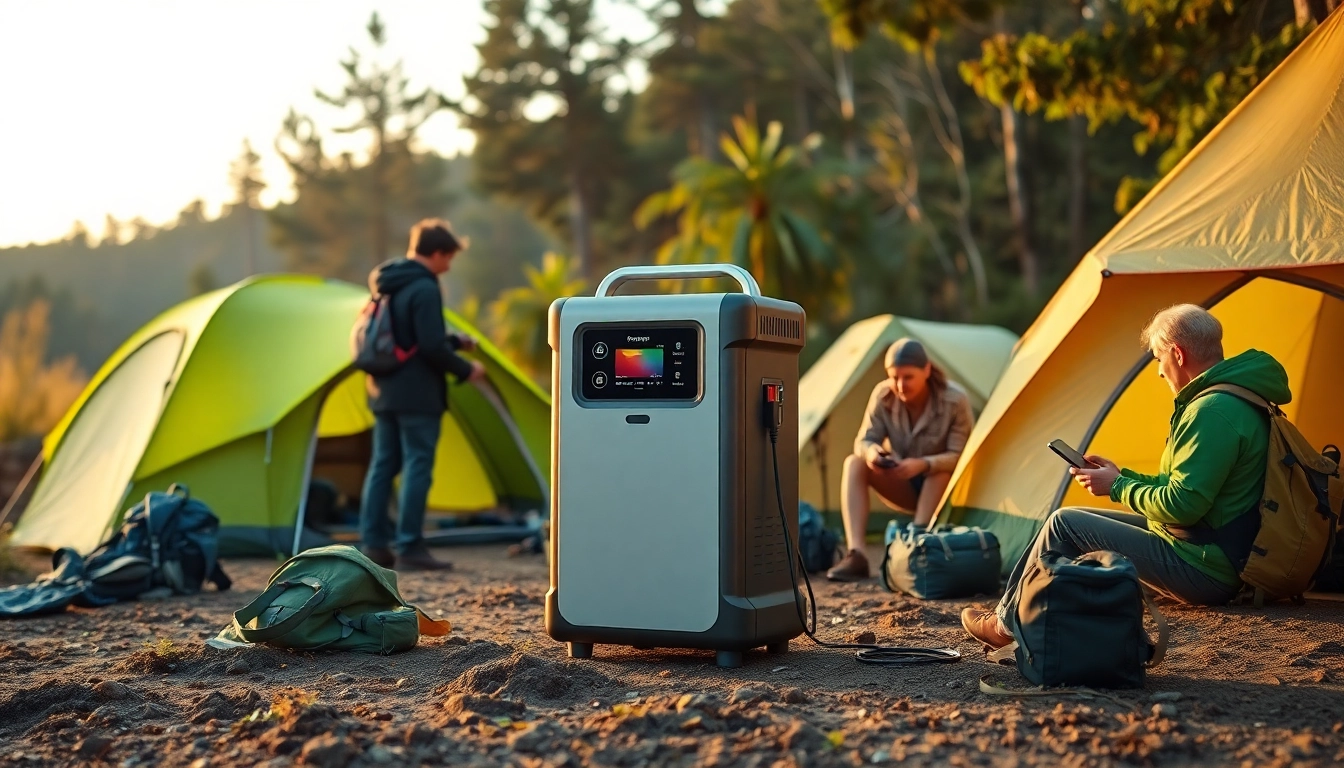
Power station EcoFlow providing energy to devices in an outdoor setting with people actively using it.

Power Your Adventures with EcoFlow: Sustainable Energy Solutions for All

Understanding EcoFlow Technologies

What is EcoFlow?

EcoFlow is a pioneering company in renewable energy solutions, primarily known for its portable power stations and solar solutions. By focusing on innovation and sustainability, EcoFlow aims to provide reliable electric power sources for outdoor enthusiasts, disaster preparedness, and everyday use. Products created by EcoFlow are engineered to deliver consistent power regardless of location, enhancing users’ productivity while reducing reliance on traditional fossil fuels. You can explore more about these advanced technologies on EcoFlow.

Key Features of EcoFlow Devices

EcoFlow devices are known for several standout features:

  • High Capacity: EcoFlow power stations offer high wattage outputs suitable for powering a variety of devices, from small electronics to larger appliances.
  • Fast Recharging: Unlike traditional generators, many EcoFlow units can be recharged in less than two hours, providing quick energy on-the-go.
  • Portability: Designed with lightweight materials and rugged casings, EcoFlow products are built for ease of transport, making them perfect for camping or emergency situations.
  • Smart Features: Options like mobile app controls enable real-time monitoring and customization, allowing users to optimize their energy use.
  • Expandable Systems: Some models can connect with additional batteries or solar panels to expand power capacity, catering to larger energy demands.

Applications of EcoFlow Solutions

EcoFlow solutions cater to a diverse range of applications, including:

  • Outdoor Activities: Ideal for camping, hiking, and boating, EcoFlow devices allow adventurers to power their gadgets and appliances wherever they go.
  • Home Backup Power: Users can prepare for outages by maintaining power for essential appliances in their homes.
  • Worksites: Construction crews and remote workers can utilize portable power stations to keep tools and devices operational in off-grid locations.
  • Emergency Preparedness: EcoFlow units serve as critical backups during natural disasters or emergencies, ensuring access to essential power sources.

Choosing the Right EcoFlow Product

Evaluating Your Energy Needs

Determining the right EcoFlow product begins with analyzing your specific energy requirements. Consider the devices you plan to power, assess their wattage, and calculate the total energy consumption over a set period. Additionally, think about the frequency of usage; are you looking for occasional outdoor use, or do you need a consistent backup power source for home emergencies? Understanding these factors will guide you towards the most suitable EcoFlow model.

Comparison of EcoFlow Models

EcoFlow has a range of models tailored for different applications. Their flagship model may offer the largest capacity and diverse output options, making it ideal for heavy use. In contrast, smaller models focus on portability and simplicity for users with basic needs. When comparing, look into:

  • Battery capacity (measured in watt-hours)
  • Ports and compatibility (USB, AC outlets, etc.)
  • Weight and dimensions for transport
  • Recharge times and methods available
  • Smart features such as apps and monitoring systems

Assessing Compatibility with Devices

Before investing in an EcoFlow device, ensure that it aligns with your device compatibility requirements. Carefully evaluate the voltage and wattage specifications of your electronics. Most EcoFlow products can power a range of devices, but checking this detail is crucial to avoid damage and ensure efficient operation.

EcoFlow and Environmental Impact

Reducing Carbon Footprint with EcoFlow

Using EcoFlow solutions significantly contributes to a reduced carbon footprint. By opting for portable power stations over traditional gasoline generators, users eliminate harmful emissions associated with fossil fuels. Moreover, EcoFlow products are designed to be charged using renewable sources such as solar energy, encouraging sustainable energy consumption without compromising convenience.

Recycling and Disposal of EcoFlow Products

Proper disposal and recycling of EcoFlow products are vital for minimizing environmental impact. EcoFlow encourages users to follow local regulations regarding battery disposal and recycling programs. Additionally, their product designs promote longevity, and users should maximize the lifecycle of their devices to reduce waste effectively.

EcoFlow’s Commitment to Sustainability

EcoFlow is committed to a sustainable future, prioritizing eco-friendly materials in their product design and manufacturing processes. They are dedicated to minimizing waste and promoting energy-efficient technologies that not only save users money but also conserve the environment. With continuous investment in sustainable practices, EcoFlow aims to create a greener tomorrow.

Real-World Usage and Customer Testimonials

Adventurers’ Experiences with EcoFlow

Customers using EcoFlow products for outdoor adventures frequently report increased satisfaction and peace of mind. Whether camping in the woods or on a beach road trip, users appreciate being able to charge devices such as smartphones, laptops, and cooking appliances, allowing for a seamless experience in nature without isolation from the comforts of technology.

Case Studies: EcoFlow in Action

Numerous case studies illustrate EcoFlow’s versatility. For instance, a group of campers utilized a specific EcoFlow unit to power lights, a portable fridge, and mobile devices during a week-long getaway. With strategic energy management, they kept everything running smoothly and enjoyed their outdoor escape without sacrificing comfort or safety.

User Reviews and Feedback

User reviews consistently highlight reliability and user-friendliness. Many customers rave about the fast recharge times and portability of EcoFlow devices. Overall, it seems that these power solutions not only perform well but also enhance users’ experiences across various scenarios.

Maintaining and Caring for Your EcoFlow Device

Basic Maintenance Tips

To extend the lifespan of your EcoFlow device, regular maintenance is essential. Keep the device clean and free from dust, and ensure connections are secure. When not in use, store the power station in a cool, dry place, and perform periodic checks to ensure everything remains functional.

Long-Term Storage Recommendations

If you plan to store your EcoFlow device for an extended period, it’s advisable to keep the battery charged at around 50% to 60%. Check on the device periodically to recharge it, as batteries can self-discharge over time, ensuring it’s ready for use when needed.

Troubleshooting Common Issues

Should you encounter issues, start by consulting the user manual for guidance. Common troubleshooting steps involve resetting the device, ensuring all connections are secure, and confirming that the device isn’t overloaded. For persistent problems, reaching out to customer support can provide specific advice tailored to your situation.

Frequently Asked Questions

1. How long can I run devices on an EcoFlow power station?

The runtime depends on the capacity of the power station and the wattage of the devices connected. For example, a 600Wh unit can run a 60W device for approximately 10 hours.

2. Can I charge EcoFlow devices using solar panels?

Yes, many EcoFlow models can be charged using solar panels. This adds to the sustainability and convenience of energy access in remote areas.

3. What should I do if my EcoFlow device won’t hold a charge?

Ensure connections are clean and secure. If issues persist, try a factory reset or contact customer support for detailed troubleshooting.

4. Are EcoFlow products safe to use indoors?

Yes, EcoFlow products are designed with safety features making them safe for indoor use, providing clean energy without harmful emissions.

5. How long does it take to fully charge an EcoFlow power station?

Charging times vary by model, but many EcoFlow units can charge fully in as little as two hours using AC power, while solar charging times may vary.

Elegant tumblers showcased elegantly on a rustic table, radiating vibrant colors and inviting ambiance.

Choosing the Perfect Tumblers for Every Occasion

Understanding Tumblers: A Comprehensive Guide

Tumblers have become an essential item for individuals seeking convenience and style in their daily hydration. Available in various styles and materials, Tumblers are suited for every occasion—from casual outings to formal events—making them a versatile addition to any lifestyle. This comprehensive guide dives deep into understanding tumblers, the benefits they offer, how to choose the right one, and how to care for them effectively.

What Are Tumblers?

Tumblers are primarily designed as drinkware, characterized by their lid and often a straw, making them easy to carry and use on the go. Unlike traditional cups, tumblers are typically insulated, allowing drinks to maintain their temperatures longer—whether hot or cold. They vary in shape, size, and features, catering to different preferences and uses. From casual coffee drinkers to fitness enthusiasts, there’s a tumbler suited for everyone.

Different Materials Used for Tumblers

The performance and feel of a tumbler largely depend on the material from which it is made. The most common materials include:

  • Stainless Steel: Known for its durability, stainless steel tumblers often feature double-wall insulation, making them excellent for temperature retention.
  • Plastic: Lightweight and often cheaper, plastic tumblers are versatile but may not offer the same insulation as their metal counterparts. They are ideal for casual settings and children’s use.
  • Borosilicate Glass: A more premium option, borosilicate glass tumblers can handle extreme temperatures and provide a clean taste. However, they are less portable and more fragile.
  • Silicone: Often used for collapsible tumblers, silicone is flexible, portable, and perfect for travel but may not offer temperature control.

Varieties of Tumblers Available

With the increasing demand for customization and functionality, tumblers come in numerous varieties to cater to diverse tastes and needs:

  • Insulated Tumblers: These keep drinks hot or cold for extended periods and are popular among commuters.
  • Travel Tumblers: Designed for convenience, these typically fit in car cup holders and come with leak-proof lids.
  • Child-Friendly Tumblers: Featuring spill-proof designs and colorful patterns, these tumblers are tailored for younger users.
  • Customizable Tumblers: Brands often offer tumblers that can be personalized with names, logos, or designs, making them great for gifts.

Benefits of Using Tumblers Daily

Adopting a tumbler as part of your daily routine offers several advantages that enhance both your lifestyle and well-being.

Convenience and Portability

Tumblers are designed for on-the-go ease, featuring secure lids and often a straw, which allow for convenient sipping without spilling. This portability makes them ideal for busy individuals who need to stay hydrated, whether commuting to work, exercising, or simply running errands. The robust designs and materials also ensure they can withstand daily usage without easily degrading.

Environmental Impact of Tumblers

Using a tumbler can significantly reduce single-use plastic consumption. By opting for a reusable tumbler, individuals can minimize their carbon footprint and the overall waste generated by disposable cups and bottles. This habit not only contributes to environmental preservation but also promotes sustainable living, a growing concern among consumers globally.

Health Benefits: Staying Hydrated

Keeping hydrated is crucial for overall health. Having a tumbler readily available encourages regular water consumption throughout the day, helping to meet daily hydration goals. Many tumblers come with measurement markings, enabling users to track their intake, which is especially beneficial for active individuals or those in fitness training.

How to Choose the Right Tumblers

Selecting the perfect tumbler can seem overwhelming given the vast options available. However, considering a few key factors can streamline this process.

Factors to Consider When Selecting Tumblers

When choosing the right tumbler, several factors should be assessed:

  • Material: Consider your needs—opt for stainless steel if insulation is a priority or plastic for lightweight convenience.
  • Size: Tumblers come in various sizes, typically ranging from 12 to 40 ounces. Choose one that suits your drinking habits.
  • Insulation: Double-wall vacuum insulation is ideal for maintaining temperature but check if it suits your lifestyle.
  • Lid Design: Look for features such as a straw, spill-proof design, or easy cleaning.

Matching Tumblers with Lifestyle

Your lifestyle plays a crucial role in determining the type of tumbler that best suits your needs. For instance, outdoor enthusiasts might prefer rugged insulated tumblers, while office workers may opt for sleek, stylish designs. Assessing how and where you plan to use the tumbler can help in making an informed choice for optimal utility.

Color and Design Preferences

A tumbler is not only functional; it’s a personal accessory. Choose colors and designs that resonate with your style or reflect your personality. Many brands offer a wide array of colors, patterns, and even customizable options, making it possible to find a tumbler that feels uniquely yours.

Care and Maintenance of Tumblers

The longevity of your tumbler greatly depends on how well you care for it. Proper maintenance ensures that it serves you well for years to come.

Cleaning Techniques for Different Materials

Cleaning methods may vary based on the material of the tumbler:

  • Stainless Steel: Typically dishwasher safe, but hand washing with mild soap is recommended to prolong life.
  • Plastic: Also dishwasher safe but can retain odors. It’s best to wash with baking soda and vinegar.
  • Borosilicate Glass: Ensure to check for dishwasher suitability, and generally best cleaned by hand.
  • Silicone: Easily cleaned with soap and water or placed in the dishwasher.

Storage Tips for Longevity

When not in use, it’s best to store tumblers in a cool, dry place, away from direct sunlight to prevent color fading and material degradation. Ensure they are fully dry before storing, especially for insulated tumblers, to prevent mold growth.

Preventing Common Issues with Tumblers

To prevent problems such as leaking or odors, consider following these suggestions:

  • Inspect Seals: Regularly check the lid seals for wear and tear to ensure they remain leak-proof.
  • Store with Lids Off: When not in use, store tumblers without the lid to allow airflow, preventing unwanted odors.
  • Avoid Excessive Heat: Don’t expose tumblers to extreme temperatures if they’re not rated for it, especially plastic options.

Frequently Asked Questions About Tumblers

What materials are best for tumblers?

The best materials for tumblers include stainless steel for durability and insulation, and borosilicate glass for a clean taste and temperature resistance. Plastic is also common for casual use.

Can tumblers keep drinks hot or cold?

Yes, many tumblers are designed with insulation technology that can keep drinks hot or cold for several hours, making them ideal for various beverages.

Are tumblers dishwasher-safe?

It depends on the material. Most stainless steel and plastic tumblers are dishwasher-safe, but it’s best to check manufacturer’s recommendations for specific products.

How do I choose a tumbler for travel?

For travel, look for a tumbler that is well-insulated, fits in cup holders, is lightweight, and has a leak-proof lid to avoid spills.

What sizes do tumblers typically come in?

Tumblers typically range from 12 to 40 ounces. The size you choose should align with your consumption habits and portability needs.